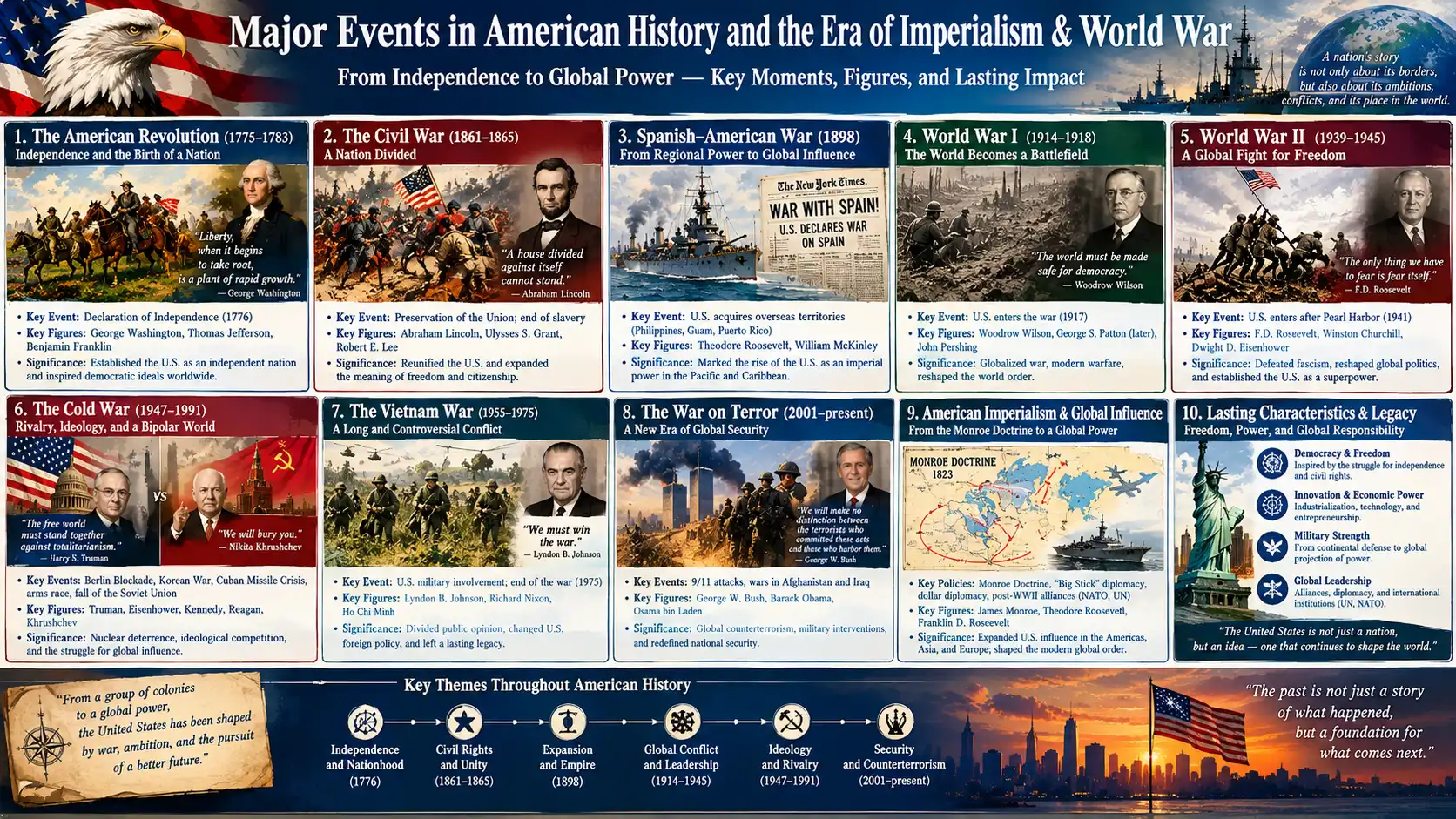
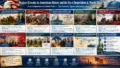
The expansion of American global power and its entry into the modern era were defined by several transformative historical milestones. The Spanish-American War of 1898 shattered traditional isolationism, launching the nation into overseas territorial acquisition across the Caribbean and the Pacific. Subsequently, the devastating 1918 Spanish Flu pandemic severely impacted domestic society during wartime mobilization. The Great Depression and the resulting New Deal drastically expanded federal powers, transforming the role of government during the 1930s. Finally, U.S. participation in World War I and the subsequent 1945 Yalta Conference cemented America’s pivotal role in reshaping the postwar international order and establishing its global superpower status.
Comments