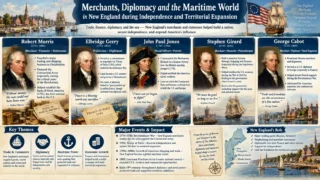
Merchant, Diplomacy, and Maritime Activity in Colonial America

Colonial trade, maritime commerce, and diplomacy laid the foundational framework for American independence. Merchants navigated British mercantilist restrictions through transatlantic trade, privateering, and smuggling networks. During the Revolutionary era, maritime networks supplied vital resources, while diplomatic missions secured critical foreign alliances and funding, shaping the economic and naval power of the nascent United States.
Thomas Jefferson’s Vision

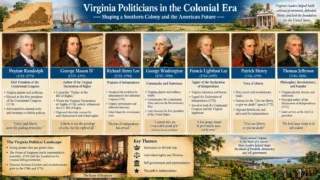
Born near Charlottesville, Thomas Jefferson primary authored the Declaration of Independence in 1776, articulating fundamental human rights. He later drafted the Virginia Statute for Religious Freedom and expanded the nation's borders as the third U.S. President.

Francis Lightfoot Lee

Born in Westmoreland County, Francis Lightfoot Lee worked alongside his brother Richard Henry Lee in resisting British taxation. As a Continental Congress delegate, he signed both the Declaration of Independence and the Articles of Confederation.

Richard Henry Lee’s Motion

Born in Westmoreland County, Richard Henry Lee was a fiery patriot who actively opposed British taxes. In June 1776, he introduced the Lee Resolution to the Continental Congress, directly leading to the adoption of the Declaration of Independence.

George Mason IV and Rights

Born in Mason Neck, George Mason IV authored the Virginia Declaration of Rights in 1776, establishing popular sovereignty and individual liberties. His ideas heavily influenced the Declaration of Independence and the U.S. Bill of Rights.

Peyton Randolph’s Legacy

Born in Williamsburg, Peyton Randolph served as Speaker of the Virginia House of Burgesses. Respected for his moderation and diplomacy, he was unanimously elected the first President of the Continental Congress in 1774, unifying the colonies.

Virginia Colonial Leaders

Virginia politicians shaped early American self-governance through the House of Burgesses. Leaders like Peyton Randolph, George Mason, and Thomas Jefferson resisted British taxation, articulated foundational human rights, and spearheaded the movement toward colonial independence.

Virginia Governor Who Rebuilt Jamestown After Shipwreck

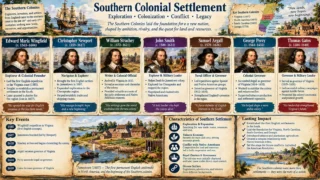
Thomas Gates was a governor of Virginia who survived the 1609 Sea Venture shipwreck in Bermuda, where he constructed new vessels to reach Jamestown. Upon arrival, he instituted strict martial laws to restore order, fortify settlements, and rebuild the colony.

Aristocratic Governor During the Jamestown Starving Time

George Percy was an English nobleman who served as governor of Virginia during the catastrophic "Starving Time" of 1609–1610. He led military expeditions against native tribes and authored valuable first-hand historical accounts defending his administration.

Naval Captain Who Captured Pocahontas and Expanded Trade

Samuel Argall was a sea captain and governor of Virginia who established a shorter transatlantic trade route to Jamestown. He is best known for capturing Pocahontas in 1613 as leverage and conducting military raids against French settlements in Acadia.