Rise and Legacy of the Safavid Empire

Safavid dynasty
The Safavid Empire was a pivotal early modern Persian dynasty that unified Iran, establishing Twelver Shia Islam as the official state religion. Founded by Shah Ismail I, the empire transformed the region's religious and cultural identity while developing a centralized government backed by the Qizilbash military force. Throughout its existence, the empire engaged in major geopolitical conflicts with neighboring powers, including the Ottoman and Mughal Empires. Under rulers like Abbas I, art, architecture, and trade flourished, making capitals such as Isfahan vibrant centers of culture. Although internal strife and external invasions eventually brought its downfall, the Safavid era laid the foundational identity of modern Iran.
People
Birth
Death
Origin
Age (Death)
| Jul 17, 1487 | |
|---|---|
| Nov 6, 1494 | |
| Feb 22, 1514 | |
| May 31, 1537 | |
| Jan 27, 1571 | |
| 1611 | |
| Aug 30, 1632 | |
| Oct, 1668 | |
| Oct 22, 1698 |
Timeline
| Category |
|
|---|---|
| Element |
| Year | Safavid dynasty |
|---|---|
| 1487 |
Birth of Shah Ismail I (Period: July 17, 1487, Location: Ardabil (present-day Iran))
|
| 1494 |
Succession to the leadership of the Safavid order (Ismail I) (Period: 1494, Location: Ardabil (present-day Iran))
Birth of Suleiman I (Period: November 6, 1494, Location: Trabzon, Turkey)
|
| 1500 |
Safavid–Uzbek War (Period: Late 16th century to early 17th century, especially the 1590s, Location: Khorasan region, around Herat and Mashhad (present-day northeastern Iran and western Afghanistan))
Safavid Unification War (Period: 1500s–early 1510s, Location: Northwestern, central, and southern Iran, and around Iraq)
|
| 1501 |
Conquest of Tabriz and ascension to Shah (Period: 1501, Location: Tabriz (present-day Iran))
Establishment of Twelver Shia Islam as the state religion (Period: 1501 onward, Location: Safavid territory centered on Tabriz)
Conquest and integration of various regions of Iran (Period: 1501–early 1510s, Location: Iranian Plateau, Fars, Kerman, Azerbaijan, and Iraq regions)
|
| 1508 |
Destruction of Abbasid Caliph and Sunni saint tombs (Period: Around 1508, Location: Baghdad (present-day Iraq))
Conquest of Baghdad (Period: 1508, Location: Baghdad (present-day Iraq))
|
| 1510 |
Expedition towards Trebizond (Period: 1505, around 1510, Location: Eastern Anatolia, around Trebizond (present-day Trabzon) on the Black Sea coast)
Victory over the Uzbek army at the Battle of Marv (Period: 1510, Location: Marv (present-day Turkmenistan))
|
| 1511 |
Rebellion of Shahkulu (Period: 1511, Location: Southeastern and central Anatolia (present-day Turkey))
|
| 1514 |
Ottoman–Safavid War (1514 Expedition) (Period: 1514, Location: Eastern Anatolia, around Chaldiran (present-day eastern Turkey))
Political changes after the defeat at Chaldiran (Period: 1514 onward, Location: Tabriz and Safavid territory)
Political withdrawal and death in later years (Period: 1514–1524, death on May 23, 1524, Location: Near Tabriz (present-day Iran))
Birth of Tahmasp I (Period: February 22, 1514, Location: Near Isfahan (near Shahabad village, Isfahan Province, present-day Iran))
Battle of Chaldiran and its military impact (Period: August 23, 1514, Location: Chaldiran Plain (present-day eastern Turkey))
|
| 1520 |
Development of the Legal System and Title of "Legislator" (Period: 1520–1566, Location: Entire Ottoman Empire)
Accession to the 10th Sultan of the Ottoman Empire (Period: September 1520, Location: Ottoman Empire, Istanbul)
|
| 1521 |
Ottoman-Hungarian War (Period: Period centered around 1521–1566, Location: Hungary, Serbia, Balkan Peninsula, Central Europe)
Conquest of Belgrade (Period: 1521, Location: Belgrade (modern Serbia))
|
| 1522 |
Siege of Rhodes (Period: 1522, Location: Rhodes (modern Greece))
Conquest of Rhodes (Period: 1522, Location: Rhodes)
|
| 1524 |
War between the Safavid Dynasty and Uzbek forces (Period: Intermittently occurred, mainly between 1524 and the 1540s, Location: Khorasan region, around Herat and Marv (present-day northeastern Iran, western Afghanistan, and southern Central Asia))
Ascension of Tahmasp and court power struggles (Period: 1524 onward, Location: Major cities of the Safavid Dynasty including Tabriz and Herat)
Ascension as the second ruler of the Safavid Dynasty (Period: 1524, Location: Safavid Dynasty (region centered on present-day Iran))
Death of Shah Ismail I (Period: May 23, 1524)
|
| 1526 |
Rule over Most of Hungary (Period: 1526–1541, Location: Territory of the Kingdom of Hungary, Buda, etc.)
Crisis of the Kingdom of Hungary due to the Battle of Mohács (Period: August 29, 1526, Location: Near Mohács, southern Hungary)
|
| 1528 |
Victory at the Battle of Jam (Period: 1528, Location: Jam (Khorasan region near present-day western Afghanistan))
|
| 1529 |
Siege of Vienna (Period: September–October 1529, Location: Vienna, Austria)
|
| 1530 |
Military expedition concerning the Shirvan region (Period: Around 1530, Location: Shirvan region (around present-day Republic of Azerbaijan))
|
| 1532 |
Ottoman–Safavid War (1603–1618) (Period: Main period related to Sherley's diplomatic activities was 1603–1618, Location: Border region between Safavid Persia and the Ottoman Empire, Caucasus, Mesopotamia)
Ottoman–Safavid War (1532–1555) (Period: 1532–1555, Location: Eastern Anatolia, Iraq, Caucasus region, etc.)
|
| 1533 |
Shift in religious policy and enforcement of strict faith (Period: Around 1533–1534, Location: Religious cities within Iran such as Mashhad)
|
| 1534 |
Occupation of Baghdad (Period: 1534, Location: Baghdad (present-day Iraq))
|
| 1536 |
Strengthening control over the Caspian coast (Period: Around 1536–1537, Location: Gilan and Mazandaran around the Caspian Sea coast)
|
| 1537 |
Birth of Ismail II (Period: May 31, 1537, Location: Qom (present-day Iran))
Birth as a Safavid prince (Period: May 31, 1537, Location: Qom (present-day Iran))
|
| 1540 |
Safavid expeditions to the Caucasus (Period: Multiple expeditions, mainly between 1540 and 1553, Location: Caucasus region including Georgia, Kartli, and Circassia)
Relocation of populations from the Caucasus and formation of royal standing army (Period: Around 1540–1553, Location: From the Caucasus region to the Iranian Plateau)
Activities as a military commander (Ismail II) (Period: 1540s–1550s, Location: Safavid territory, eastern Anatolia, Caucasus region, etc.)
|
| 1546 |
Rebellion of brother Alqas Mirza (Period: 1546–1547, Location: Shirvan region, Ottoman Istanbul)
|
| 1553 |
Execution of Şehzade Mustafa (Period: October 6, 1553, Location: Near Konya, present-day Turkey)
|
| 1555 |
Signing of the Treaty of Amasya (Period: May 29, 1555, Location: Amasya (present-day Turkey))
|
| 1556 |
Imprisonment in Kahkaha Castle (Period: 1556–1576, Location: Kahkaha Castle (around present-day Gilan province, northern Iran))
|
| 1557 |
Relocation of the capital from Tabriz to Qazvin (Period: Prepared in the 1540s, relocated around 1557, Location: From Tabriz to Qazvin (present-day Iran))
|
| 1559 |
Rebellion and Execution of Şehzade Bayezid (Period: 1559–1561, Location: Anatolia, Iran region)
Acceptance of the asylum of Ottoman Prince Bayezid (Tahmasp I) (Period: Around 1559–1562, Location: Northwestern Iran, Safavid court)
|
| 1565 |
Great Siege of Malta (Period: 1565, Location: Malta)
|
| 1566 |
Siege of Szigetvár and Death (Period: August–September 1566, Location: Szigetvár (modern Hungary))
Concealment of the Death of Suleiman the Magnificent (Period: September 1566, Location: Near Szigetvár, Kingdom of Hungary)
Death of Suleiman I (Period: September 6, 1566)
|
| 1571 |
Birth of Abbas I (Period: January 27, 1571, Location: Herat (present-day Afghanistan))
|
| 1576 |
Court turmoil over royal succession (Tahmasp I) (Period: 1576, Location: Qazvin)
Mass purge of Safavid royalty (Period: 1576–1577, Location: Safavid territory including Qazvin, Sistan, and Kandahar)
Purge of Qizilbash leaders (Period: 1576–1577, Location: Qazvin and the Safavid court)
Conflict with sister Pari Khan Khanum (Period: 1576–1577, Location: Qazvin (present-day Iran))
Death of Tahmasp I and throne succession struggle (Ismail II) (Period: May–August 1576, Location: Qazvin (present-day Iran))
Religious policy conciliatory toward Sunnis (Period: 1576–1577, Location: Safavid territory centered on Qazvin)
Reorganization of religious administration and judicial system (Period: 1576, Location: Qazvin and various parts of the Safavid Empire)
Death of Tahmasp I (Period: May 14, 1576)
Death of Tahmasp and end of long reign (Period: May 14, 1576, Location: Qazvin (present-day Iran))
Ascension of Ismail II (Period: September 1, 1576, Location: Chehel Sotoun Palace, Qazvin (present-day Iran))
|
| 1577 |
Succession of Muhammad Khodabanda to the throne (Ismail II) (Period: November 1577, Location: Qazvin (present-day Iran))
Death of Ismail II (Period: November 24, 1577)
Sudden death of Ismail II (Period: November 24, 1577, Location: Qazvin (present-day Iran))
|
| 1578 |
Ottoman-Safavid War (1578–1590 War) (Period: 1578–1590, Location: South Caucasus, Azerbaijan, Western Iran, etc.)
Ottoman–Safavid War (1578–1590) (Period: 1578–1590, Location: Caucasus region, Azerbaijan, Western Iran, etc.)
|
| 1587 |
Accession of Abbas I (Period: 1587–1588, Location: Qazvin (present-day Iran))
|
| 1590 |
Military reform and centralization (Period: 1590s to early 17th century, Location: Various regions of Safavid Iran)
|
| 1598 |
Relocation of the capital to Isfahan (Period: 1598, Location: From Qazvin to Isfahan (present-day Iran))
Recapture of Herat and Mashhad (Period: 1598, Location: Herat (present-day Afghanistan), Mashhad (present-day Iran))
Urban development of Isfahan (Period: 1598 to 1620s, Location: Isfahan (present-day Iran))
|
| 1603 |
Ottoman-Safavid War (1603–1618) (Period: 1603–1618, Location: Azerbaijan, Armenia, Georgia, Western Iran, etc.)
|
| 1611 |
Birth of Safi I (Period: 1611 (exact date unknown), Location: Kashan (present-day Iran), according to records)
|
| 1615 |
Execution of eldest son Mohammad Baqer Mirza (Period: 1615, Location: Safavid Iran (sources vary on specific location))
Succession issue in his later years (Abbas I) (Period: 1615–1629, Location: Safavid court)
|
| 1622 |
Mughal-Safavid War (Period: 1622–1623, Location: Kandahar (present-day southern Afghanistan))
Portuguese-Safavid War (Period: 1622, Location: Hormuz Island and the entrance to the Persian Gulf (present-day southern Iran and Oman surroundings))
Capture of Kandahar (Period: 1622, Location: Kandahar (present-day Afghanistan))
Capture of Hormuz Island and development of Bandar Abbas (Period: 1622 onwards, Location: Hormuz Island, Qeshm Island, Bandar Abbas (present-day southern Iran))
|
| 1623 |
Ottoman-Safavid War (1623–1639 War) (Period: 1623–1639, Location: Iraq, Baghdad, Mesopotamia, Western Iran, etc.)
|
| 1625 |
Rebellion and suppression in the Kakheti region of Georgia (Period: 1625, Location: Kakheti region (present-day eastern Georgia))
|
| 1629 |
Ottoman–Safavid War (1623–1639) (Period: 1629–1639 (latter half of Safi I's reign), Location: Mesopotamia, Baghdad, Armenia, Azerbaijan, and northwestern Iran)
Eastern border conflict with Uzbek forces (Period: Period including Safi I's reign (1629–1642), Location: Border region between Khorasan, eastern Iran, and Central Asia)
Intensification of purges against royalty and influential figures (Period: Around 1629–1632, Location: Safavid court including Isfahan)
Ascension as the 6th ruler of the Safavid Dynasty (Period: January 1629, Location: Safavid court)
Death of Abbas I (Period: January 19, 1629)
Death of Abbas I (Period: January 19, 1629, Location: Farahabad (present-day Mazandaran Province, Iran))
|
| 1632 |
Mass purge of royalty and influential courtiers (Period: 1629 onward, especially around 1632, Location: Safavid court including Isfahan and Qazvin)
Birth of Abbas II (Period: August 30, 1632, Location: Qazvin (present-day Iran))
|
| 1634 |
Rise of Grand Vizier Saru Taqi (Period: 1634 onward, Location: Safavid territory centered on Isfahan)
Administrative management centered on Saru Taqi (Period: 1634–1642, Location: Isfahan and Safavid territory)
Ottoman army's advance on Yerevan and Tabriz (Period: 1634, Location: Yerevan (present-day Armenia), Tabriz (present-day Iran))
|
| 1636 |
Arrival of embassy from the Duchy of Holstein-Gottorp (Period: 1636, Location: Safavid court (Isfahan, etc.))
Diplomatic exchanges with the Holstein-Gottorp embassy (Period: 1636–1639, Location: Safavid court, Duchy of Holstein-Gottorp)
|
| 1637 |
Mughal–Safavid War (1637–1638) (Period: 1637–1638, Location: Kandahar, Bost, etc. (present-day Afghanistan))
|
| 1638 |
Cession of Kandahar to the Mughal Empire (Period: 1638, Location: Kandahar (present-day Afghanistan))
Loss of Kandahar (Period: 1638, Location: Kandahar, Bost (present-day Afghanistan))
|
| 1639 |
Signing of the Treaty of Zuhab (Period: 1639, Location: Border region between the Ottoman Empire and the Safavid Dynasty)
Peace with the Ottoman Empire through the Treaty of Zuhab (Period: 1639, Location: Border region between western Iran and Mesopotamia)
|
| 1642 |
Relatively stable diplomacy toward the Ottomans (Period: 1642–1666, Location: Border region between the Safavid Dynasty and the Ottoman Empire)
Death of Safi I (Period: May 12, 1642)
Death of Safi I and royal succession (Safi I) (Period: May 12, 1642, Location: Said to be Kashan; burial place is Qom)
Death of Safi I and ascension of Abbas II (Period: May 12, 1642, Location: Said to be Kashan; successor's ascension took place at the Safavid court)
Ascension to Shah (Period: May 15, 1642, Location: Kashan (present-day Iran))
|
| 1645 |
Beginning of personal rule (Period: 1645, Location: Isfahan (present-day Iran))
Assassination of Grand Vizier Saru Taqi (Period: 1645, Location: Isfahan (present-day Iran))
|
| 1648 |
Mughal–Safavid War (Battle over Kandahar) (Period: 1648–1649, Location: Kandahar (present-day Afghanistan))
Intervention in Georgian internal conflict over the Kingdom of Kakheti (Period: 1648, Location: Kingdom of Kakheti (present-day eastern Georgia))
Recapture of Kandahar (Period: 1648–February 1649, Location: Kandahar (present-day Afghanistan))
Military intervention in the Caucasus region (Period: 1648–1660, Location: Kartli, Kakheti, North Caucasus, Terek River basin)
|
| 1650 |
Financial deterioration and bureaucratic administration issues (Period: Mid-1650s–1666, Location: Safavid territory centered on Isfahan)
|
| 1651 |
Military clash between Russia and Safavids (Period: 1651–1653, Location: North Caucasus, Terek River basin (present-day southern Russia and surrounding areas))
Border conflict with Russia (Period: 1651–1653, Location: Terek River basin, North Caucasus)
|
| 1654 |
Attempts at financial reform (Period: 1654 onward, Location: Safavid territory centered on Isfahan)
|
| 1656 |
Forced conversion policy against Jews (Period: Around 1656, Location: Safavid territory including Isfahan)
|
| 1659 |
Suppression of Georgian rebellion (Period: 1659–1660, Location: Kakheti and Kartli (present-day eastern Georgia))
|
| 1666 |
Death of Abbas II (Period: October 26, 1666)
Death and royal succession (Abbas II) (Period: October 26, 1666, Location: Around Behshahr (present-day northern Iran))
|
| 1668 |
Birth of Sultan Hossein (Period: October 1668 (exact date unknown), Location: Isfahan (present-day Iran))
|
| 1694 |
Rise of Muhammad Baqir Majlisi and intensification of religious policy (Period: 1694 onward, especially early reign, Location: Safavid territory centered on Isfahan)
Strict enforcement of religious policy (Period: 1694–early 1700s, Location: Safavid territory centered on Isfahan)
Ascension of Soltan Hoseyn (Period: August 1694, Location: Isfahan (present-day Iran))
Ascension as ruler of the Safavid Dynasty (Period: August 6, 1694, Location: Isfahan (present-day Iran))
|
| 1695 |
Raid on ports by Omani forces (Period: 1695, Location: Kong (present-day southern Iran, Persian Gulf coast))
|
| 1698 |
Birth of Nader Shah (Period: October 22, 1688 or August 6, 1698 (varies by historical source), Location: Near Dastgerd in northeastern Iran (present-day Khorasan region; details of birth_place have uncertainties))
|
| 1699 |
Baloch raid on the Kerman region (Period: 1699, Location: Kerman region (present-day southeastern Iran))
|
| 1709 |
Hotak dynasty invasion of the Safavid Empire (Period: 1709–1722, Location: Kandahar, Kerman, Isfahan, etc. (present-day Afghanistan and Iran))
Kandahar rebellion (Period: 1709, Location: Kandahar (present-day Afghanistan))
Rebellion of Mirwais Hotak (Period: 1709, Location: Kandahar (present-day Afghanistan))
|
| 1716 |
Abdali rebellion and battles over Herat (Period: 1716 onward, Location: Herat and Khorasan region (present-day western Afghanistan and eastern Iran))
Rebellion of Abdali forces (Period: 1716 onward, Location: Herat, Khorasan region)
|
| 1720 |
War with the Hotak dynasty in the direction of Afghanistan (Period: Late 1720s–1738, Location: Iran, western Afghanistan, and around Kandahar)
Rise as a military officer (Period: 1720s, Location: Khorasan region, northeastern Iran)
|
| 1721 |
Conquest of Kerman by Mahmud Hotak (Period: 1721, Location: Kerman (present-day southeastern Iran))
Fall of Kerman (Period: 1721, Location: Kerman (present-day southeastern Iran))
|
| 1722 |
Detention after abdication and failure of dynastic restoration (Period: 1722–1727, Location: Isfahan and Hotak-controlled territory)
Siege of Isfahan and abdication of Soltan Hoseyn (Period: March–October 21, 1722, Location: Isfahan (present-day Iran))
Siege of Isfahan and relinquishment of the throne (Period: March–October 21, 1722, Location: Isfahan (present-day Iran))
|
| 1726 |
Ottoman–Hotak War (Period: 1726–1727, Location: Western Iran, around Baghdad, and toward Hamadan)
|
| 1727 |
Death of Sultan Hossein (Period: September 9, 1727 (executed))
Execution of Soltan Hoseyn (Period: September 9, 1727, Location: Said to be Isfahan)
Death of Soltan Hoseyn and decline of the Safavid Dynasty (Period: September 9, 1727, Location: Said to be Isfahan)
|
| 1729 |
Assisting Tahmasp II to recover Safavid territory (Period: 1729–1732, Location: Various parts of Iran)
|
| 1730 |
Ottoman–Persian War (Period: 1723–1727, Location: Western Iran, Azerbaijan, Caucasus region)
|
| 1736 |
Ascension to Shah on the Moghan Plain (Period: 1736, Location: Moghan Plain near present-day southern Azerbaijan)
|
| 1737 |
Central Asian campaign (Period: 1737–1740, Location: Various parts of Central Asia including Bukhara, Khiva, and Samarkand)
|
| 1738 |
Indian campaign against the Mughal Empire (Period: 1738–1739, Location: Afghanistan, Peshawar, Lahore, Karnal, Delhi, etc.)
|
| 1739 |
Entry into Delhi and acquisition of treasures (Period: March–May 1739, Location: Delhi, Mughal Empire)
Battle of Karnal (Period: February 13, 1739, Location: Karnal, North India (present-day Haryana, India))
Delhi massacre (Period: March 22, 1739, Location: Delhi, capital of the Mughal Empire (present-day Delhi, India))
|
| 1740 |
Rebellion of Muhammad Taqi Khan Shirazi (Period: Mid-1740s, Location: Fars region, southern Iran)
Governance in later years and growing opposition (Period: 1740s, Location: Iran, Caucasus, Central Asia)
|
| 1741 |
Dagestan campaign (Period: 1741–1745, Location: North Caucasus, Dagestan region)
|
| 1747 |
Death of Nader Shah (Period: June 20, 1747)
Assassination of Nader Shah (Period: June 20, 1747, Location: Around Quchan in the Khorasan region, northeastern Iran)
|
| Unknown |
Ottoman-Habsburg War (Period: Early 16th century continuing past 1566, Location: Hungary, Austria, Balkan Peninsula)
Patronage of Culture and Architecture and Prosperity of the Empire (Period: Early 16th century – 1566, Location: Various parts of the Ottoman Empire centered on Istanbul)
Promotion of the Silk Road and international trade (Period: Early 17th century, Location: Isfahan, Caspian Sea coast, Persian Gulf coast, etc.)
Development of Safavid miniature painting and manuscript art (Period: Mid-16th century–1576, Location: Tabriz, Qazvin, and Mashhad)
|
Map
| Category | |
|---|---|
| Element |
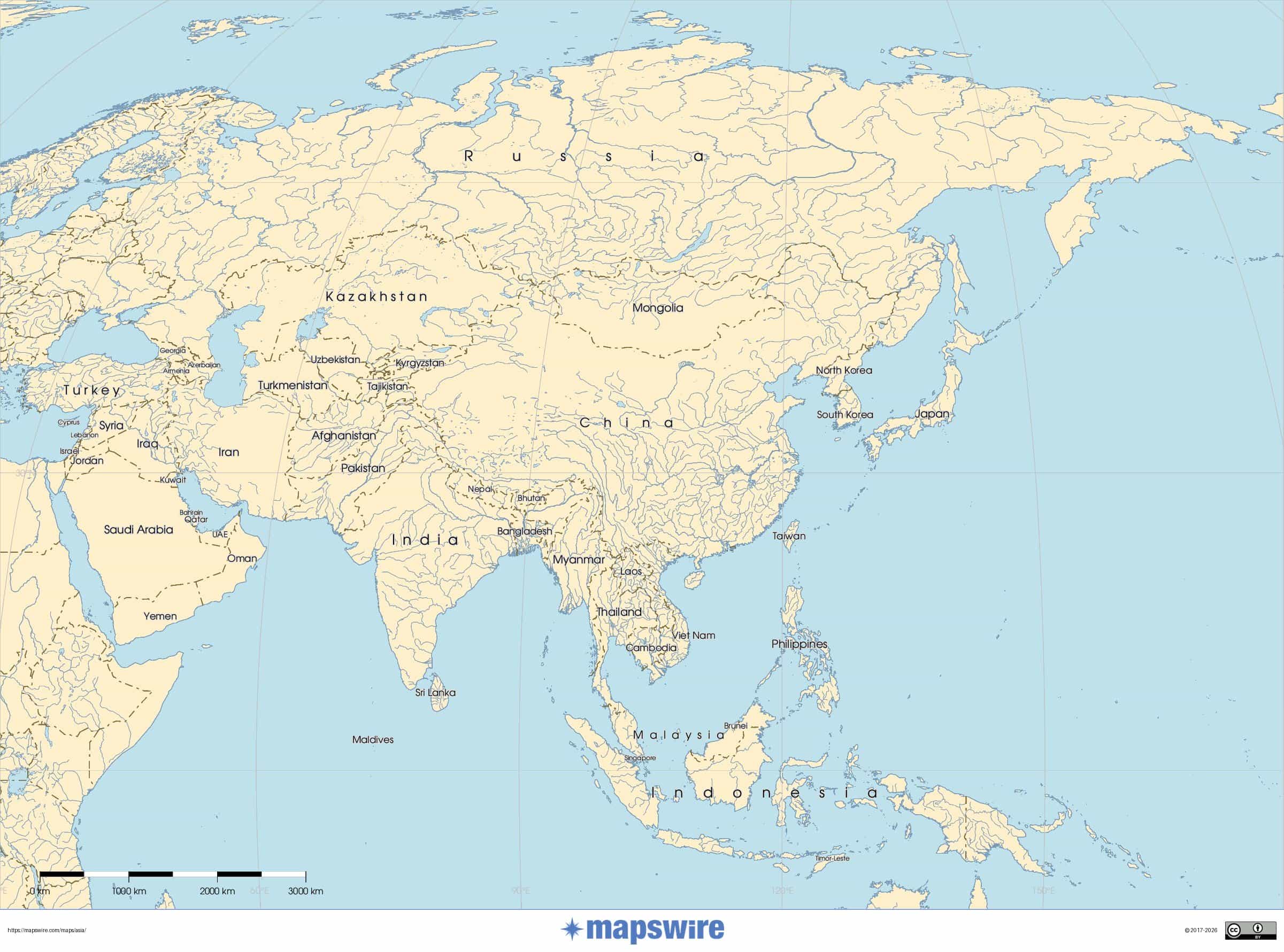
Asia
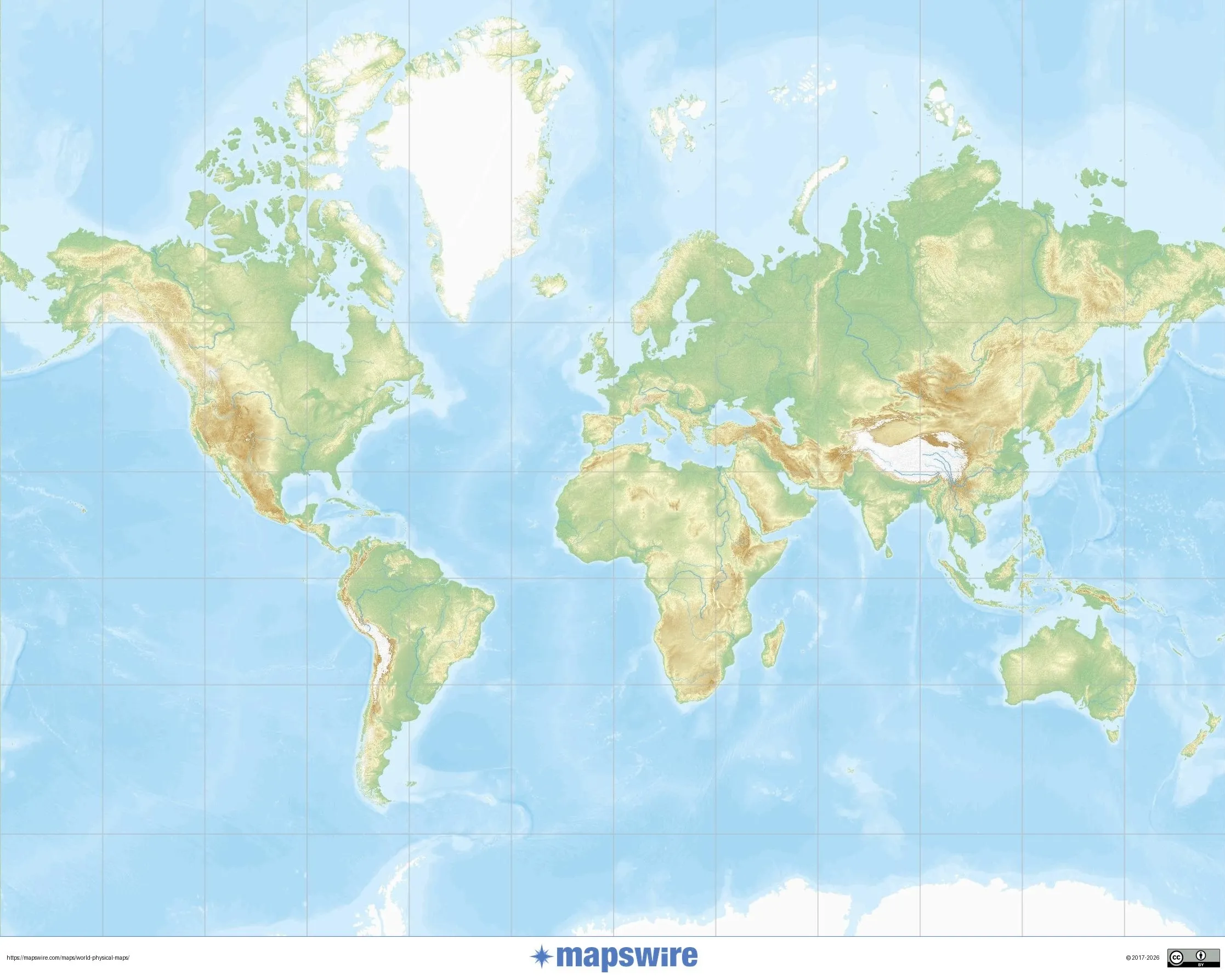
World
Related Links
| Group | List |
|---|---|
| East Asia | Ming and Qing Emperors Late Ming period Maritime trade Joseon Dynasty |
| West Asia | Ottoman Empire Safavid dynasty Trade and Diplomacy |
Comments