British Conservative Party in Cold War

British Conservative Party
The British Conservative Party played a central role in shaping the Western framework of the Cold War from Winston Churchill to Margaret Thatcher. Balancing strong defense against communist expansion with a commitment to détente, international cooperation, and European integration, the party worked to maintain and project Britain's global influence amidst a shifting international order.
People
Birth
Death
Origin
Age (Death)
| Nov 30, 1874 | |
|---|---|
| Feb 10, 1894 | |
| Jun 12, 1897 | |
| Jul 2, 1903 | |
| Jul 9, 1916 | |
| Oct 13, 1925 | |
| Mar 29, 1943 |
Timeline
| Category |
|
|---|---|
| Element |
| Year | British Conservative Party |
|---|---|
| 1874 |
Birth of Winston Churchill (Period: November 30, 1874, Location: Woodstock, Oxfordshire, England)
|
| 1894 |
Birth of Harold Macmillan (Period: February 10, 1894, Location: London, England)
|
| 1897 |
Birth of Anthony Eden (Period: June 12, 1897, Location: Ferryhill, County Durham, England (birthplace Rushyford, current post town Ferryhill))
|
| 1903 |
Birth of Alec Douglas-Home (Period: July 2, 1903, Location: London)
|
| 1914 |
World War I (Period: 1914–1918, Location: French Western Front)
Military service in World War I (Period: 1914–1918, Location: French Western Front)
|
| 1916 |
Birth of Edward Heath (Period: July 9, 1916, Location: Broadstairs (Kent, England))
Wound at the Battle of the Somme (Period: September 1916, Location: Somme region, France)
|
| 1924 |
First election to Parliament (Period: 1924, Location: Stockton-on-Tees, England)
|
| 1925 |
Birth of Margaret Thatcher (Period: October 13, 1925, Location: Grantham)
|
| 1930 |
Opposition to appeasement (Period: 1930s, Location: London, England)
|
| 1931 |
First election as Member of Parliament for the House of Commons (Period: October 1931, Location: Lanark constituency, Scotland)
|
| 1936 |
Spanish Civil War (Period: 1936–1939, Location: Barcelona, Spain, etc.)
Anti-appeasement activities at Oxford University (Period: 1936–1939, Location: Oxford, England)
|
| 1937 |
Appointment as Parliamentary Private Secretary to Prime Minister Chamberlain (Period: 1937–1939, Location: London, British Government)
Witnessing of the Nuremberg Rally (Period: 1937, Location: Nuremberg, Germany)
|
| 1938 |
Munich Conference (Period: September 1938, Location: Munich, Germany)
|
| 1939 |
World War II (Period: 1939–1945, Location: Britain, North Africa, Mediterranean region, etc.)
|
| 1940 |
Appointment as Parliamentary Secretary to the Ministry of Supply (Period: 1940–1942, Location: London, England)
Interruption of political activity due to spinal tuberculosis (Period: c. 1940–1943, Location: Britain)
|
| 1941 |
Military service in World War II (Period: 1941–1946, Location: Britain, France, Germany, etc.)
|
| 1942 |
Appointment as Minister of State for Northern Africa and the Mediterranean (Period: 1942–1945, Location: North Africa, Italy, Mediterranean region)
|
| 1943 |
Activities as a diplomat and security theorist during World War II (Period: 1943–1945, Location: London, UK Parliament)
Majored in chemistry at Oxford University (Period: 1943–1947, Location: Somerville College, University of Oxford, England)
Birth of John Major (Period: March 29, 1943, Location: London (St Helier district))
|
| 1944 |
Normandy landings (Period: June 1944, Location: Normandy, France)
|
| 1945 |
First election as a Member of Parliament (Period: May 1979, Location: Huntingdonshire, England)
|
| 1947 |
Cold War (Period: c. 1947–1991, Location: Europe, North America, Cuba, etc.)
Worked as a chemical researcher (Period: 1947–early 1950s, Location: Colchester, Manningtree, London, etc.)
|
| 1950 |
First election as Member of Parliament (Period: February 1950, Location: Bexley constituency, England)
|
| 1951 |
Mass housing construction as Minister of Housing (Period: 1951–1954, Location: Various locations in the United Kingdom)
First candidacy for Parliament (Period: 1950, 1951, Location: Dartford constituency, Kent)
Succeeded as the 14th Earl of Home (Period: July 1951, Location: Scotland and the British House of Lords)
|
| 1955 |
Appointment as Foreign Secretary (Period: 1955, Location: London, England)
Appointment as Commonwealth Secretary (Period: 1955–1960, Location: London and Commonwealth nations)
Appointment as Conservative Chief Whip (Period: 1955, Location: London, England)
|
| 1956 |
Suez Crisis (Period: 1956, Location: Around the Suez Canal, Egypt, London)
|
| 1957 |
Appointment as Prime Minister (Period: January 1957, Location: London, England)
Nuclear weapons policy and strengthening of Anglo-American nuclear cooperation (Period: 1957–1963, Location: Britain, USA)
|
| 1959 |
Activities as Minister of Labour and Lord President of the Council (Period: 1959–1963, Location: London, England)
Victory in the 1959 general election (Period: October 1959, Location: All of Britain)
Member of Parliament for Finchley (Period: October 1959, Location: Finchley constituency, London)
|
| 1960 |
Establishment of the European Free Trade Association (Period: 1960, Location: Stockholm, etc.)
Northern Ireland conflict (Period: Late 1960s–1998, Location: Derry and Belfast, Northern Ireland, etc.)
UK's EEC membership negotiations and French veto (Period: 1960–1963, Location: Brussels, Paris, etc.)
Wind of Change speech (Period: February 3, 1960, Location: Cape Town, South Africa)
Appointment as Foreign Secretary (Period: July 1960–October 1963, Location: London, British Foreign Office)
|
| 1961 |
Application for membership in the European Economic Community (Period: 1961, Location: Britain, France, Brussels, etc.)
Berlin Crisis and construction of the Berlin Wall (Period: 1961, Location: Berlin, Germany)
|
| 1962 |
Skybolt Crisis (Period: 1962–1963, Location: Britain, Washington, D.C., USA, etc.)
Vassall affair (Period: 1962–1963, Location: London, England)
Cuban Missile Crisis (Period: October 1962, Location: Cuba, USA, Soviet Union, Washington, London)
|
| 1963 |
Indonesian-Malaysian confrontation (Period: 1963–1966, Location: Malaysia, Borneo, Malaya, around Indonesia)
Profumo affair (Period: 1963, Location: London, England)
Partial Nuclear Test Ban Treaty (Period: August 1963, Location: Moscow, London, Washington, D.C.)
Signing of the Partial Nuclear Test Ban Treaty (Period: August 5, 1963, Location: Moscow, Soviet Union)
Appointment as British Prime Minister (Period: October 19, 1963, Location: London, Buckingham Palace and 10 Downing Street)
|
| 1964 |
1964 United Kingdom general election (Period: October 15, 1964, Location: All of Britain)
|
| 1965 |
Death of Winston Churchill (Period: January 24, 1965)
Resignation as Conservative Party leader and leadership election reform (Period: July 1965, Location: London, England)
Election as Conservative Party leader (Period: July 1965, Location: London, England)
Rhodesia's Unilateral Declaration of Independence (Period: 1965, Location: Salisbury (now Harare), Rhodesia)
|
| 1967 |
Car accident during stay in Nigeria (Period: May 1967, Location: Around Jos, Nigeria)
|
| 1968 |
D'Oliveira affair (Period: 1968, Location: South Africa, Britain, Australia)
Election as Lambeth Borough Councillor (Period: 1968, Location: Lambeth, London, England)
|
| 1970 |
Return to office as Foreign and Commonwealth Secretary (Period: 1970–1974, Location: London and European Commonwealth nations)
Appointment as Secretary of State for Education and Science (Period: 1970–1974, Location: London, Department of Education and Science)
Resignation from the premiership (Period: May 2, 1997, Location: Czechoslovakia, Prague.)
Victory in the 1970 general election and appointment as Prime Minister (Period: June–July 1970, Location: London, England)
|
| 1972 |
UK accession to the European Economic Community (Period: 1972–1973, Location: Brussels, London, England)
Bloody Sunday (Period: January 30, 1972, Location: Derry, Northern Ireland)
|
| 1973 |
Miners' strike and three-day week (Period: 1973–1974, Location: All of Britain)
Sunningdale Agreement (Period: December 1973, Location: Sunningdale, Berkshire, England)
|
| 1974 |
Return to the House of Lords and retirement from politics (Period: 1974–1995, Location: London, British House of Lords)
1974 general election and resignation as Prime Minister (Period: February–March 1974, Location: All of Britain, London)
IRA bomb attack on home (Period: December 1974, Location: Belgravia, London, England)
|
| 1975 |
Referendum campaign supporting European Economic Community membership (Period: 1975, Location: All of Britain)
Resignation as Conservative Party leader (Period: February 1975, Location: London, England)
|
| 1976 |
Establishment of the "Iron Lady" moniker (Period: 1976 onwards, Location: International politics involving Britain and the Soviet Union)
Resignation as Prime Minister (Period: October 1963, Location: London, United Kingdom)
|
| 1977 |
Death of Anthony Eden (Period: January 14, 1977)
|
| 1978 |
Winter of Discontent (Period: 1978–1979, Location: Various locations across Britain)
|
| 1979 |
1979 United Kingdom general election (Period: May 3, 1979, Location: All of Britain)
Appointment as Britain's first female Prime Minister (Period: May 4, 1979, Location: 10 Downing Street, London)
|
| 1982 |
Falklands War (Period: April 2–June 14, 1982, Location: Falklands Islands and the South Atlantic)
|
| 1983 |
Conservative landslide victory in the 1983 general election (Period: June 9, 1983, Location: All of Britain)
|
| 1984 |
Miners' strike (Period: March 1984–March 1985, Location: Coal mining regions of England, Wales, and Scotland)
Brighton hotel bombing (Period: October 12, 1984, Location: Grand Hotel, Brighton, England)
|
| 1985 |
Appointment as Parliamentary Under-Secretary of State for Social Security (Period: 1985–1987, Location: London, England)
Anglo-Irish Agreement (Period: November 15, 1985, Location: Hillsborough Castle, Northern Ireland)
|
| 1986 |
Financial market "Big Bang" (Period: October 27, 1986, Location: City of London financial district)
Death of Harold Macmillan (Period: December 29, 1986 (aged 92))
|
| 1987 |
Third consecutive victory in the 1987 general election (Period: June 11, 1987, Location: All of Britain)
|
| 1989 |
Political crisis over the introduction of the poll tax (Period: 1989–1990, Location: Various locations in Britain, especially London)
Appointment as Chancellor of the Exchequer (Period: October 1989–November 1990, Location: London, England)
|
| 1990 |
Gulf War (Period: 1990–1991, Location: Around Kuwait, Iraq, the Persian Gulf)
Conservative Party leadership election and resignation of Thatcher (Period: November 1990, Location: London, UK Parliament - Conservative Party)
Resignation of Margaret Thatcher and Conservative Party leadership election (Period: November 1990, Location: London, England)
Resignation as Prime Minister and Conservative Party leader (Period: November 28, 1990, Location: 10 Downing Street, London)
|
| 1991 |
Introduction of the Citizen's Charter (Period: 1991–1992, Location: All of Britain)
Maastricht Treaty negotiations (Period: 1991–1992, Location: Maastricht, Netherlands, Brussels, etc.)
IRA mortar attack on 10 Downing Street (Period: February 7, 1991, Location: Downing Street, London, England)
|
| 1992 |
Appointment as "Father" of the House of Commons (Period: 1992–2001, Location: Westminster, London, England)
Entry into the House of Lords as a life peer (Period: 1992, Location: London, British House of Lords)
Conservative victory in the 1992 general election (Period: April 9, 1992, Location: All of Britain)
Black Wednesday (Period: September 16, 1992, Location: Foreign exchange market, London, England)
|
| 1993 |
Advancement of the Northern Ireland peace process (Period: 1993–1997, Location: Northern Ireland, London, England, Dublin, Ireland)
Privatization of British Railways by the Conservative government (Period: 1993–1997, Location: All of Britain)
Downing Street Declaration (Period: December 1993, Location: Downing Street, London, England)
|
| 1995 |
1995 Conservative Party leadership election (Period: June–July 1995, Location: Westminster, London, England)
Re-election as Conservative Party leader in 1995 (Period: July 4, 1995, Location: Westminster, London, England)
Death of Alec Douglas-Home (Period: October 9, 1995 (aged 92))
|
| 1997 |
Conservative defeat in the 1997 general election (Period: May 1, 1997, Location: All of Britain)
|
| 2001 |
Retirement as a Member of Parliament (Period: 2001, Location: Huntingdon constituency, England)
|
| 2005 |
Death of Edward Heath (Period: July 17, 2005 (89 years old))
|
| 2013 |
Death of Margaret Thatcher (Period: April 8, 2013 (87 years old))
|
| 2026 |
Death of John Major (Period: Living (as of 2026))
|
Map
| Category | |
|---|---|
| Element |
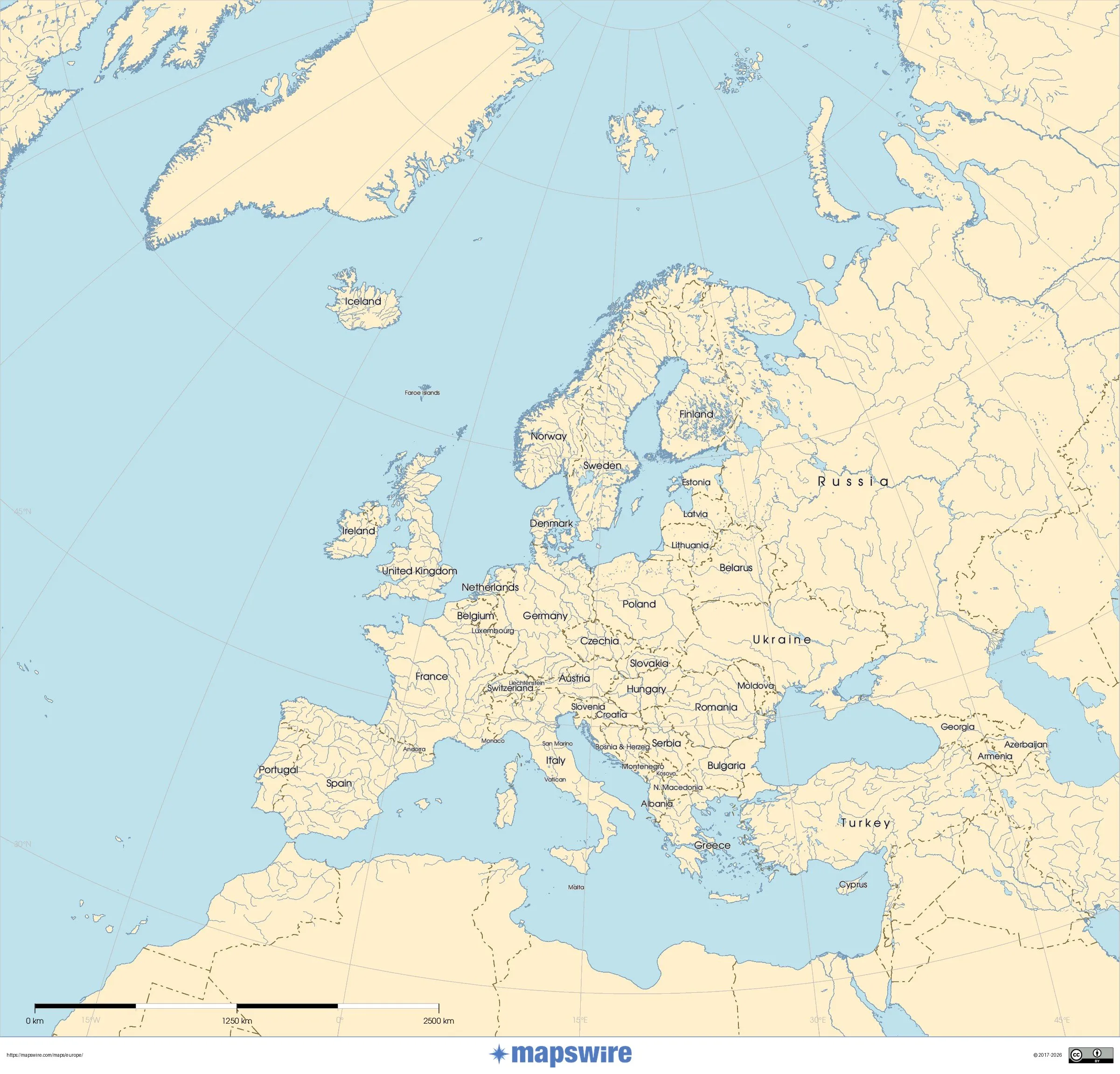
Europe
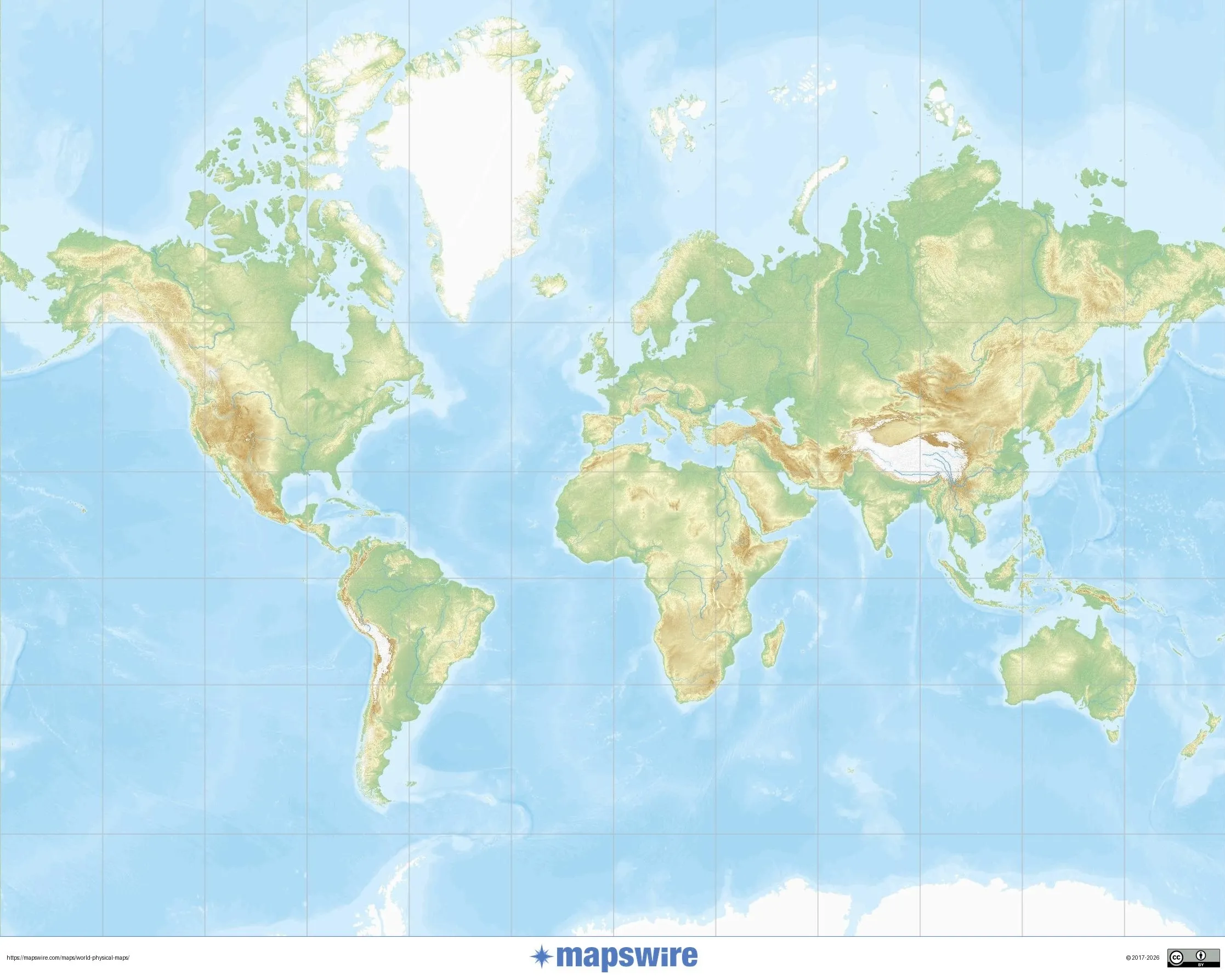
World
Related Links
| Group | List |
|---|---|
| Western Europe | NATO British Conservative Party British Labour Party Culture and Thought Science and Technology |
| Central Europe | The Division of Germany Prague Spring Fall of the Berlin Wall Literature and Thought Arts & Film |
Comments