NATO's Role in the Cold War

NATO
Established in 1949, NATO served as the primary collective defense alliance for Western nations against Soviet expansion throughout the Cold War. It anchored European security, facilitated critical military cooperation, and deterred communist aggression. The alliance was pivotal during major crises like the Berlin Blockade and managed nuclear deterrence policies, ultimately laying the foundation for transatlantic stability and European integration.
People
Birth
Death
Origin
Age (Death)
| Nov 30, 1874 | |
|---|---|
| Jan 5, 1876 | |
| Mar 9, 1881 | |
| Nov 22, 1890 | |
| Feb 10, 1894 | |
| Jan 25, 1899 | |
| Jan 11, 1907 | |
| Dec 23, 1918 | |
| Oct 13, 1925 |
Timeline
| Category |
|
|---|---|
| Element |
| Year | NATO |
|---|---|
| 1874 |
Birth of Winston Churchill (Period: November 30, 1874, Location: Woodstock, Oxfordshire, England)
|
| 1876 |
Birth of Konrad Adenauer (Period: January 5, 1876, Location: Cologne, North Rhine-Westphalia, Federal Republic of Germany)
|
| 1881 |
Birth of Ernest Bevin (Period: March 9, 1881, Location: Winsford, Somerset, England (birthplace; near Exeter))
|
| 1890 |
Birth of Charles de Gaulle (Period: November 22, 1890, Location: Lille (Nord, France))
|
| 1894 |
Birth of Harold Macmillan (Period: February 10, 1894, Location: London, England)
|
| 1899 |
Birth of Paul-Henri Spaak (Period: January 25, 1899, Location: Schaerbeek, Brussels-Capital Region, Belgium)
|
| 1906 |
Beginning of political activities in the Cologne City Council (Period: 1906, Location: Cologne, Germany)
|
| 1907 |
Birth of Pierre Mendès France (Period: January 11, 1907, Location: Paris, French Republic)
|
| 1914 |
World War I (Period: 1914–1918, Location: French Western Front)
Military service in World War I (Period: 1914–1918, Location: French Western Front)
|
| 1916 |
Wound at the Battle of the Somme (Period: September 1916, Location: Somme region, France)
|
| 1917 |
Assumption of office as Mayor of Cologne (Period: September 1917, Location: Cologne, Germany)
|
| 1918 |
Birth of Helmut Schmidt (Period: December 23, 1918, Location: Hamburg, Federal Republic of Germany (Barmbek district at the time))
|
| 1920 |
Joining the Belgian Labour Party and election to the Chamber of Representatives (Period: 1920–1932, Location: Brussels, Belgium)
Beginning of activities as a lawyer (Period: Late 1920s, Location: Paris, France; Louviers)
|
| 1924 |
First election to Parliament (Period: 1924, Location: Stockton-on-Tees, England)
|
| 1925 |
Birth of Margaret Thatcher (Period: October 13, 1925, Location: Grantham, Lincolnshire, England, United Kingdom)
|
| 1929 |
Attempted assassination of Crown Prince Umberto by Fernando de Rosa (Period: October 24, 1929, Location: Brussels, Belgium)
|
| 1930 |
Opposition to appeasement (Period: 1930s, Location: London, England)
|
| 1932 |
First election as a member of the National Assembly (Period: 1932, Location: Eure department, France)
|
| 1933 |
Political exclusion under the Nazi regime (Period: 1933–1945, Location: Various locations in Germany, especially Cologne and Rensing along the Rhine River)
Dismissal of the Mayor of Cologne by the Nazi regime (Period: March 1933, Location: Cologne, Germany)
|
| 1934 |
Night of the Long Knives (Period: June 30 – early July 1934, Location: Various parts of Germany)
|
| 1935 |
Appointment as Minister of Transport (Period: 1935, Location: Brussels, Belgium)
Assumption of office as Mayor of Louviers (Period: 1935, Location: Louviers, France)
|
| 1937 |
Graduation from the Lellwack School in Hamburg and start of military service (Period: 1937, Location: Hamburg, West Germany)
|
| 1938 |
First term as Prime Minister of Belgium (Period: May 15, 1938 – February 22, 1939, Location: Brussels, Belgium)
|
| 1939 |
World War II (Period: 1939–1945, Location: Britain, North Africa, Mediterranean region, etc.)
|
| 1940 |
Appointment as Parliamentary Secretary to the Ministry of Supply (Period: 1940–1942, Location: London, England)
Trial and detention by the Vichy regime (Period: 1940–1941, Location: French Morocco, Clermont-Ferrand, etc.)
German invasion of Belgium (Period: May 10 – May 28, 1940 (until the surrender of the Belgian army), Location: Various locations in Belgium)
French defeat and establishment of the Vichy regime (Period: June – July 1940, Location: France)
Relocation of the Belgian government in exile to London (Period: October 1940, Location: London, United Kingdom)
|
| 1941 |
Joining Free France (Period: 1941–1943, Location: North Africa, London, etc.)
|
| 1942 |
Appointment as Minister of State for Northern Africa and the Mediterranean (Period: 1942–1945, Location: North Africa, Italy, Mediterranean region)
|
| 1943 |
Chemical research at the University of Oxford (Period: 1943–1947, Location: Oxford, United Kingdom)
|
| 1944 |
July 20 plot to assassinate Hitler (Period: July 20, 1944, Location: Rastenburg in East Prussia, Germany (near present-day Kętrzyn, Poland), etc.)
Arrests after the July 20 plot to assassinate Hitler (Period: Around August 23 – autumn 1944, Location: Around Cologne, Germany)
Assumption of office as Minister of National Economy (Period: September 1944 – April 1945, Location: Paris, France)
Promotion of the Benelux Customs Union concept (Period: September 5, 1944 (agreement signed in London) – entry into force in 1948, Location: London, United Kingdom; Belgium, Netherlands, Luxembourg, etc.)
|
| 1945 |
Formation and leadership of the Christian Democratic Union (CDU) (Period: 1945–1946, Location: Western Germany, British occupation zone)
Study of economics and political science at the University of Hamburg (Period: 1945–1949, Location: Hamburg, West Germany)
Reappointment and dismissal as Mayor of Cologne after World War II (Period: May – October 1945, Location: Cologne, Germany)
First election as a Member of Parliament (Period: May 1979, Location: Huntingdonshire, England)
|
| 1946 |
Election as the first President of the United Nations General Assembly (Period: January 1946 – March 1947, Location: London, United Kingdom (initial sessions); New York, USA, etc.)
First Indochina War (Period: 1946–1954, Location: French Indochina, present-day Vietnam, Laos, and Cambodia)
Joining the Social Democratic Party of Germany (SPD) (Period: 1946, Location: Hamburg, West Germany)
|
| 1947 |
Cold War (Period: c. 1947–1991, Location: Europe, North America, Cuba, etc.)
Second term as Prime Minister of Belgium and post-war reforms (Period: March 20, 1947 – August 11, 1949, Location: Brussels, Belgium)
|
| 1948 |
Chairmanship of the Parliamentary Council, leading the formulation of the Basic Law (Period: 1948 – May 23, 1949, Location: Bonn, West Germany)
|
| 1949 |
Assumption of office as President of the Consultative Assembly of the Council of Europe (Period: 1949–1951, Location: Strasbourg, France)
Assumption of office as the first Chancellor of West Germany (Period: September 15, 1949 – October 16, 1963, Location: Bonn, West Germany)
|
| 1951 |
Mass housing construction as Minister of Housing (Period: 1951–1954, Location: Various locations in the United Kingdom)
Death of Ernest Bevin (Period: April 14, 1951)
|
| 1952 |
President of the Common Assembly of the European Coal and Steel Community (ECSC) (Period: 1952–1954, Location: Strasbourg, France, etc.)
|
| 1953 |
First election as a member of the Bundestag (Period: 1953, Location: Bonn, West Germany)
|
| 1954 |
Algerian War (Period: 1954–1962, Location: French Algeria, mainland France)
Battle of Dien Bien Phu (Period: March 13 – May 7, 1954, Location: Dien Bien Phu, northwestern Vietnam)
Government crisis in the Fourth Republic and formation of the Mendès France Cabinet (Period: June 1954, Location: Paris, France)
Geneva Accords for ending the Indochina War (Period: July 21, 1954, Location: Geneva, Switzerland)
Carthage speech recognizing Tunisia's expanded autonomy (Period: July 31, 1954, Location: Carthage, Tunisia)
Response to the European Defence Community initiative (Period: August 30, 1954, Location: Paris, France)
Outset of the Algerian War of Independence (Period: November 1, 1954, Location: French Algeria)
|
| 1955 |
Appointment as Foreign Secretary (Period: 1955, Location: London, England)
Spaak Committee and preparation for the European Economic Community (Period: 1955–1957, Location: Brussels, Belgium; Paris, France; Italy, etc.)
Resignation of the Mendès France Cabinet (Period: February 5 – February 23, 1955, Location: Paris, France)
West Germany's accession to NATO (Period: May 9, 1955, Location: Paris, France (center of diplomatic and treaty procedures regarding accession))
|
| 1956 |
Suez Crisis (Period: 1956, Location: Around the Suez Canal, Egypt, London)
|
| 1957 |
Appointment as Prime Minister (Period: January 1957, Location: London, England)
Nuclear weapons policy and strengthening of Anglo-American nuclear cooperation (Period: 1957–1963, Location: Britain, USA)
Assumption of office as Secretary General of the North Atlantic Treaty Organization (NATO) (Period: May 16, 1957 – April 21, 1961, Location: Paris, France (then NATO headquarters), North Atlantic region)
|
| 1958 |
Opposition to the Fifth Republic and participation in left-wing politics (Period: 1958 – 1970s, Location: Various locations in France, especially Paris)
Signing of the Treaty of Rome and establishment of the European Economic Community (Period: March 25, 1957 (treaty signed), January 1, 1958 (effective), Location: Rome, Italy)
|
| 1959 |
Victory in the 1959 general election (Period: October 1959, Location: All of Britain)
|
| 1960 |
Establishment of the European Free Trade Association (Period: 1960, Location: Stockholm, etc.)
Wind of Change speech (Period: February 3, 1960, Location: Cape Town, South Africa)
|
| 1961 |
Application for membership in the European Economic Community (Period: 1961, Location: Britain, France, Brussels, etc.)
|
| 1962 |
Skybolt Crisis (Period: 1962–1963, Location: Britain, Washington, D.C., USA, etc.)
Vassall affair (Period: 1962–1963, Location: London, England)
Response to the Hamburg storm flood disaster (Period: February 1962, Location: Hamburg, West Germany)
Hamburg storm flood disaster (Period: February 16–17, 1962, Location: Hamburg-Wilhelmsburg district, West Germany)
|
| 1963 |
Indonesian-Malaysian confrontation (Period: 1963–1966, Location: Malaysia, Borneo, Malaya, around Indonesia)
Profumo affair (Period: 1963, Location: London, England)
Reconciliation with France and the Élysée Treaty (Period: January 22, 1963, Location: Paris, France, Élysée Palace)
Partial Nuclear Test Ban Treaty (Period: August 1963, Location: Moscow, London, Washington, D.C.)
Departure from office as Federal Chancellor (Period: October 16, 1963, Location: Bonn, West Germany)
|
| 1965 |
Death of Winston Churchill (Period: January 24, 1965)
|
| 1966 |
Retirement from Belgian politics (Period: 1966, Location: Belgium)
|
| 1967 |
Death of Konrad Adenauer (Period: April 19, 1967)
|
| 1969 |
Assumption of office as Federal Minister of Defence (Period: 1969–1972, Location: Bonn, West Germany)
Assumption of office as Federal Chancellor of West Germany (Period: May 16, 1974, Location: Bonn, West Germany)
|
| 1970 |
Assumption of office as Secretary of State for Education and Science (Period: June 1970 – March 1974, Location: London, United Kingdom)
Death of Charles de Gaulle (Period: November 9, 1970)
|
| 1972 |
Assumption of office as Federal Minister of Finance (Period: 1972–1974, Location: Bonn, West Germany)
Death of Paul-Henri Spaak (Period: July 31, 1972)
|
| 1975 |
Contribution to the institutionalization of the G7 summits (Period: 1975–1978, Location: Rambouillet, France; Puerto Rico, USA; Bonn, West Germany, etc.)
Assumption of office as Leader of the Conservative Party (Period: February 11, 1975, Location: London, United Kingdom)
|
| 1976 |
Resignation as Prime Minister (Period: October 1963, Location: London, United Kingdom)
|
| 1977 |
Response to the German Autumn (Red Army Faction crisis) (Period: 1977, Location: Various locations in West Germany)
German Autumn (Deutscher Herbst) (Period: September – October 1977, Location: Various locations in West Germany, particularly Cologne, Stuttgart, and Stuttgart-Stammheim Prison, etc.)
Lufthansa Flight 181 hijacking (Period: October 13–18, 1977, Location: Palma de Mallorca, Dubai, Aden, Mogadishu, Somalia, etc.)
|
| 1978 |
Establishment of the European Monetary System (EMS) (Period: 1978–1979, Location: Bonn, West Germany; Brussels, Belgium, etc.)
|
| 1979 |
Assumption of office as Prime Minister and promotion of Thatcherism (Period: May 4, 1979 – November 28, 1990, Location: London, United Kingdom)
Political conflict surrounding the NATO Double-Track Decision (Period: December 12, 1979 onwards, Location: NATO headquarters in Brussels, Belgium; various locations in West Germany)
Support for the NATO Double-Track Decision (Period: December 12, 1979, Location: Brussels, Belgium)
|
| 1980 |
Introduction of the Right to Buy housing scheme (Period: 1980, Location: Various locations in the United Kingdom)
|
| 1982 |
Recapture of the Falkland Islands and victory in the general election (Period: April 1982 – June 1983, Location: South Atlantic, United Kingdom)
Falklands War (Period: April 2–June 14, 1982, Location: Falklands Islands and the South Atlantic)
Death of Pierre Mendès France (Period: October 18, 1982)
|
| 1983 |
Activities as an editor for *Die Zeit* (Period: From 1983 onwards, Location: Hamburg, West Germany)
|
| 1984 |
Miners' strike (Period: March 1984–March 1985, Location: Coal mining regions of England, Wales, and Scotland)
Brighton hotel bombing (Period: October 12, 1984, Location: Brighton, East Sussex, United Kingdom, Grand Hotel)
Sino-British Joint Declaration and agreement on the handover of Hong Kong (Period: December 19, 1984, Location: Beijing, China)
|
| 1985 |
Westland affair (Period: 1985–1986, Location: United Kingdom, government and political institutions centered in London)
Signing of the Anglo-Irish Agreement (Period: November 15, 1985, Location: Hillsborough Castle, Northern Ireland)
|
| 1986 |
Big Bang and deregulation of financial markets (Period: October 27, 1986, Location: City of London financial district, United Kingdom)
Death of Harold Macmillan (Period: December 29, 1986 (aged 92))
|
| 1987 |
Third general election victory (Period: June 11, 1987, Location: All of Britain)
|
| 1988 |
Anti-poll tax (community charge) protests (Period: 1988–1991 (protests became particularly intense in 1990), Location: United Kingdom, especially London and Scotland)
Bruges Speech (Period: September 20, 1988, Location: Bruges, Belgium)
|
| 1992 |
Establishment of the Helmut Schmidt Foundation (Period: 1992, Location: Hamburg, West Germany)
|
| 2013 |
Death of Margaret Thatcher (Period: April 8, 2013)
|
| 2015 |
Death of Helmut Schmidt (Period: November 10, 2015)
|
Map
| Category | |
|---|---|
| Element |
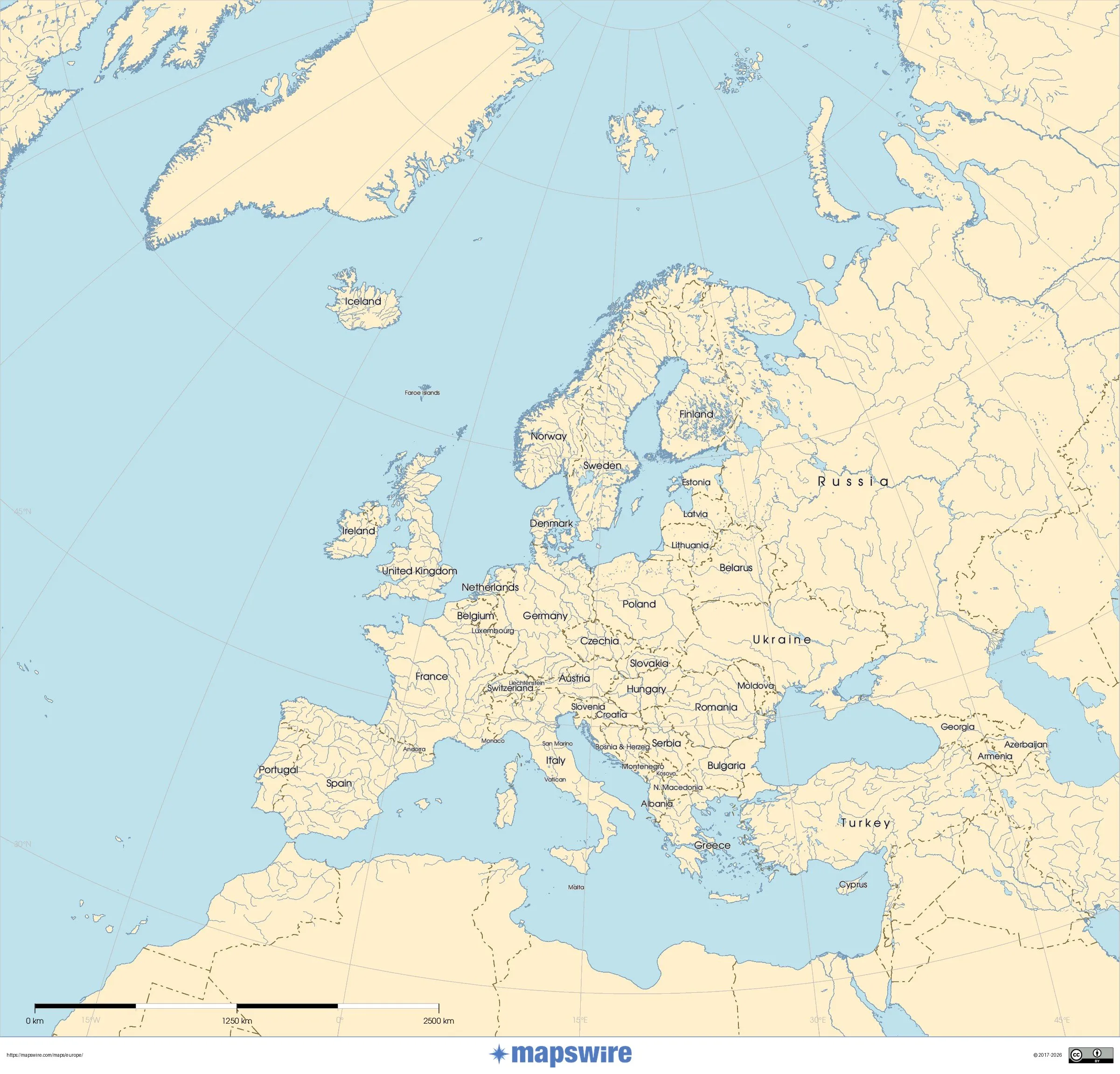
Europe
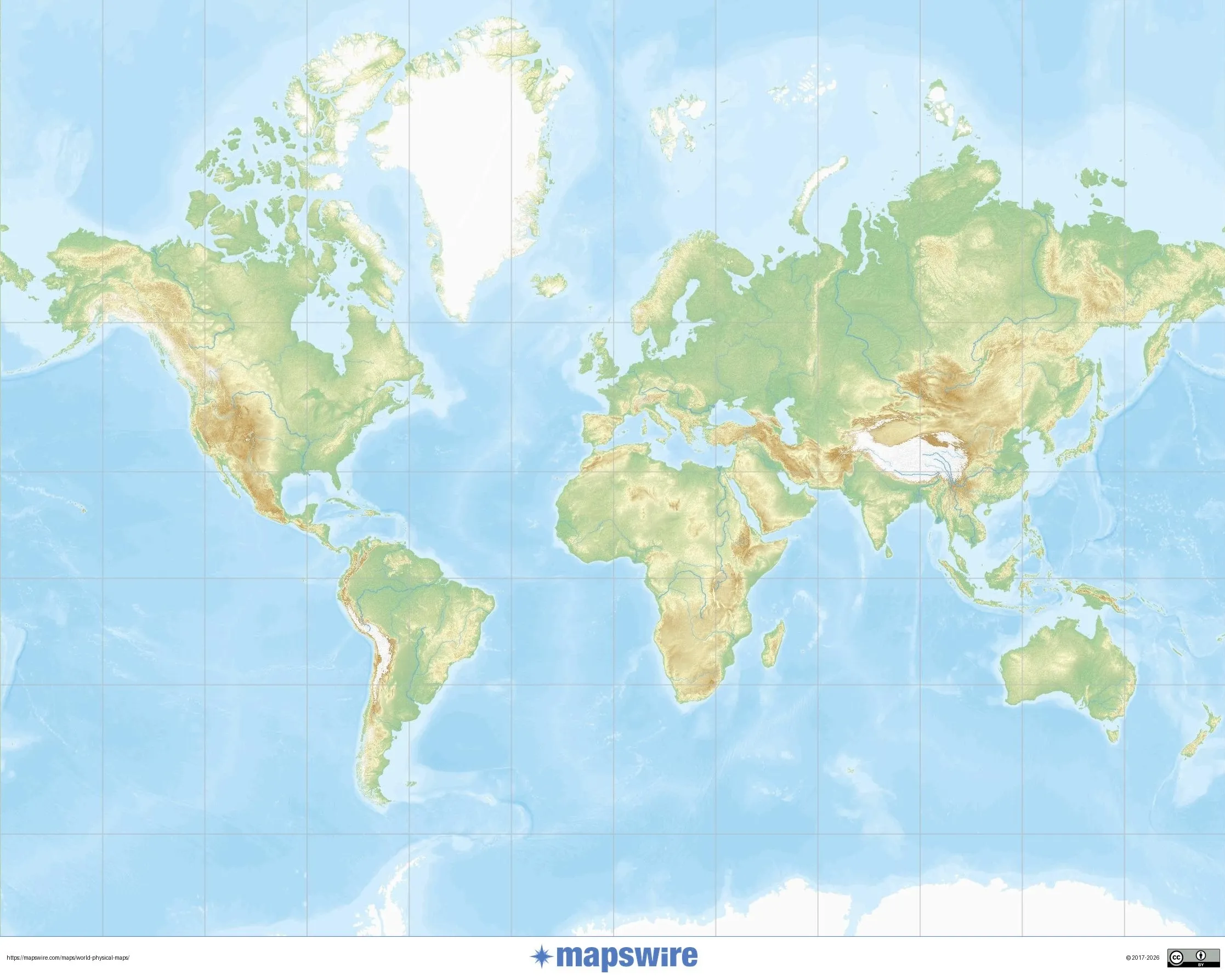
World
Related Links
| Group | List |
|---|---|
| Western Europe | NATO British Conservative Party British Labour Party Culture and Thought Science and Technology |
| Central Europe | The Division of Germany Prague Spring Fall of the Berlin Wall Literature and Thought Arts & Film |
Comments