Nuclear Science in World War II

Nuclear Science
World War II accelerated breakthroughs in nuclear physics, transforming theoretical discoveries into unprecedented military power. The discovery of nuclear fission in 1938 demonstrated the immense energy stored within atomic nuclei. Recognizing the potential for catastrophic explosive devices, allied powers launched the Manhattan Project and Britain's Tube Alloys, while Germany initiated its own Uranverein project. Scientists advanced uranium enrichment, plutonium production, and critical mass calculations, culminating in the creation of the first atomic bombs. The successful Trinity test and subsequent deployments over Hiroshima and Nagasaki ended the war and introduced the nuclear age, permanently altering global diplomacy and warfare.
People
Birth
Death
Origin
Age (Death)
| Nov 7, 1878 | |
|---|---|
| Mar 8, 1879 | |
| Oct 20, 1891 | |
| May 27, 1897 | |
| Nov 18, 1897 | |
| Oct 8, 1901 | |
| Oct 6, 1903 | |
| Oct 1, 1904 |
Timeline
| Category |
|
|---|---|
| Element |
| Year | Nuclear Science |
|---|---|
| 1878 |
Birth of Lise Meitner (Period: November 7, 1878, Location: Vienna (Austria))
|
| 1879 |
Birth of Otto Hahn (Period: March 8, 1879, Location: Frankfurt am Main (present-day Germany))
|
| 1891 |
Birth of James Chadwick (Period: October 20, 1891, Location: Bollington, Cheshire, England)
|
| 1897 |
Studying Chemistry at the University of Marburg (Period: 1897–1901, Location: Marburg, Germany)
Birth of John Cockcroft (Period: May 27, 1897, Location: Todmorden, England)
Birth of Patrick Blackett (Period: November 18, 1897, Location: London (Kensington), England)
|
| 1901 |
Birth of Mark Oliphant (Period: October 8, 1901, Location: Adelaide (Kent Town), South Australia, Australia)
|
| 1903 |
Birth of Ernest Walton (Period: October 6, 1903, Location: Dungarvan, County Waterford, Ireland)
|
| 1904 |
Research under William Ramsay (Period: 1904–1905, Location: London, United Kingdom)
Birth of Otto Robert Frisch (Period: October 1, 1904, Location: Vienna (present-day Republic of Austria))
|
| 1905 |
Research with Ernest Rutherford (Period: 1905–1906, Location: Montreal, Canada)
|
| 1907 |
Start of Joint Research with Lise Meitner (Period: 1907–1912, Location: Berlin, Germany)
|
| 1908 |
Start of Research at the University of Manchester (Period: 1908–1913, Location: Manchester, England)
|
| 1912 |
Appointment as Head of Radioactivity Department at the Kaiser Wilhelm Institute for Chemistry (Otto Hahn) (Period: 1912, Location: Berlin-Dahlem, Germany)
|
| 1913 |
Beta Ray Research in Germany (Period: 1913–1914, Location: Berlin, Germany)
|
| 1914 |
World War I (Period: 1914–1918, Location: Western Front, Belgium and France)
Outbreak of World War I and Internment in Ruhleben (Period: 1914–1918, Location: Berlin-Lichterfelde (Ruhleben), Germany)
Studying Mathematics at the University of Manchester (Period: 1914–1915, Location: Manchester, England)
Enlistment in the Royal Navy (Period: 1914, Location: Royal Navy)
Battle of Falkland Islands (Period: December 8, 1914, Location: Falkland Islands and surrounding South Atlantic)
|
| 1915 |
Interruption of Studies and Military Service due to World War I (Period: 1915–1919, Location: United Kingdom, Western Front)
Studies at Methodist College Belfast (Period: 1915–1922, Location: Belfast, Northern Ireland)
Second Battle of Ypres and Participation in Chemical Warfare (Period: April–May 1915, Location: Ypres, Belgium)
|
| 1916 |
Battle of Jutland (Period: May 31 – June 1, 1916, Location: Off the coast of Jutland, Denmark, North Sea)
|
| 1917 |
Discovery of Protactinium (Period: 1917–1918, Location: Berlin, Germany)
|
| 1919 |
Transition to Electrical Engineering and Work at Metropolitan-Vickers (Period: 1919–1924, Location: Trafford Park, Manchester, England)
Studying Physics at the University of Cambridge (Period: 1919–1921, Location: Cambridge, England)
Start of Physics Research at the University of Adelaide (Period: 1919–1923, Location: Adelaide, South Australia)
|
| 1920 |
Nuclear Research at the Cavendish Laboratory (Period: 1920s–1935, Location: Cambridge, England)
|
| 1921 |
Doctorate at the University of Cambridge (James Chadwick) (Period: 1921, Location: Cambridge, England)
Research under Rutherford (Period: 1921–1933, Location: Cavendish Laboratory, University of Cambridge)
Discovery of Nuclear Isomerism (Period: 1921, Location: Berlin, Germany)
|
| 1922 |
Irish Civil War (Period: 1922–1923, Location: Dublin, Ireland, and other locations)
Postponement of University Entrance Examination due to Irish Civil War (Ernest Walton) (Period: 1922, Location: Dublin, Ireland)
Admission to Trinity College Dublin (Ernest Walton) (Period: 1922, Location: Dublin, Ireland)
Studying Physics at the University of Vienna (Period: 1922–1926, Location: Vienna, Austria)
|
| 1923 |
Appointment as Professor at King's College Cambridge (Patrick Blackett) (Period: 1923–1933, Location: Cambridge, England)
|
| 1924 |
Admission to the University of Cambridge (Period: 1924, Location: Cambridge, England)
|
| 1925 |
Demonstration of Artificial Nuclear Transmutation (Period: 1925, Location: Cavendish Laboratory, University of Cambridge, England)
Marriage to Rosa Wilbraham (Period: May 23, 1925, Location: St Peter's Anglican Church, Glenelg, South Australia)
|
| 1927 |
Master's Degree at Trinity College (Ernest Walton) (Period: 1927, Location: Dublin, Ireland)
Start of Research under Rutherford (Period: 1927–1931, Location: Cavendish Laboratory, University of Cambridge, England)
Transfer to the Cavendish Laboratory, University of Cambridge (Period: 1927, Location: Cambridge, England)
Research in Berlin (Period: 1927–1930, Location: Berlin, Germany)
|
| 1928 |
Development of the Cockcroft-Walton Accelerator (Period: 1928–1932, Location: Cavendish Laboratory, University of Cambridge)
Accelerator Research with Cockcroft (Period: 1928–1932, Location: Cavendish Laboratory, University of Cambridge)
|
| 1930 |
Research with Otto Stern (Period: 1930–1933, Location: Hamburg, Germany)
|
| 1931 |
Doctorate (Ernest Walton) (Period: 1931, Location: University of Cambridge, England)
|
| 1932 |
Success of Artificial Nuclear Transmutation (Period: 1932, Location: Cambridge, England)
Construction of Particle Accelerators (Period: 1932, Location: Cavendish Laboratory, University of Cambridge)
Artificial Disintegration of Atomic Nuclei (Period: April 14, 1932, Location: Cavendish Laboratory, University of Cambridge, England)
Nuclear Transmutation by the Cockcroft-Walton Experiment (Period: April 14, 1932, Location: Cavendish Laboratory, University of Cambridge, England)
|
| 1933 |
Appointment as Professor at Birkbeck College (Patrick Blackett) (Period: 1933–1937, Location: London, England)
Discovery of Helium-3 and Tritium (Period: 1933, Location: Cavendish Laboratory, University of Cambridge, England)
Nuclear Fusion Research (Period: 1933–1935, Location: Cambridge, England)
Persecution of Jewish Researchers by the Nazis and Lise Meitner's Exile (Otto Hahn) (Period: 1933–1938, Location: Berlin, Germany)
Establishment of the Nazi Regime and Expulsion from Germany (Period: 1933, Location: Hamburg and Berlin, Germany)
Emigration to London (Otto Robert Frisch) (Period: 1933–1934, Location: London, United Kingdom)
|
| 1934 |
Return to Trinity College Dublin (Ernest Walton) (Period: 1934, Location: Dublin, Ireland)
Uranium Research by Neutron Irradiation (Period: 1934–1938, Location: Berlin, Germany)
Research at the Institute for Theoretical Physics (Niels Bohr Institute) (Period: 1934–1939, Location: Copenhagen, Denmark)
Marriage to Winifred Wilson (Period: August 23, 1934, Location: Dublin, Ireland)
|
| 1935 |
Nobel Prize in Physics (James Chadwick) (Period: 1935, Location: Stockholm, Sweden)
Construction of Cyclotron at the University of Liverpool (Period: 1935–1939, Location: Liverpool, England)
|
| 1937 |
Transfer to the University of Manchester (Period: 1937, Location: Manchester, England)
Appointment as Professor of Physics at the University of Birmingham (Period: 1937, Location: Birmingham, England)
|
| 1938 |
Hughes Medal (Ernest Walton) (Period: 1938, Location: London, United Kingdom)
Discovery and Naming of Nuclear Fission (Period: 1938–1939, Location: Sweden, Denmark)
Theoretical Interpretation of Nuclear Fission (Period: December 1938 – January 1939, Location: Kungälv, Sweden; Copenhagen, Denmark)
|
| 1939 |
World War II (Period: 1939–1945, Location: UK, France, North Africa, Mediterranean, Atlantic, etc.)
Participation in the Tube Alloys Project (Period: 1939–1943, Location: Liverpool and surrounding region, England)
Radar Research during World War II (Period: 1939–1944, Location: United Kingdom)
Decline of Invitation to Participate in Wartime Research during World War II (Period: 1939–1945, Location: United Kingdom, United States)
Microwave Radar Development (Period: 1939–1941, Location: University of Birmingham, England)
Microwave Radar Research (Period: 1939–1941, Location: University of Birmingham, England)
Nuclear Research during World War II (Period: 1939–1945, Location: Berlin and other locations in Germany)
Research at the University of Birmingham (Period: 1939–1940, Location: Birmingham, England)
|
| 1940 |
Liverpool Air Raid and Nuclear Research (Period: 1940–1941, Location: Liverpool, England)
MAUD Report (Period: 1940–1941, Location: United Kingdom)
Promotion of Nuclear Reactor Safety (Period: Late 1940s–1950s, Location: Harwell and Windscale, England)
Participation in the MAUD Committee (Period: 1940–1941, Location: United Kingdom)
Anti-Aircraft Defense Research in the Battle of Britain (Period: 1940–1941, Location: United Kingdom)
Operations Research during World War II (Period: 1940–1945, Location: United Kingdom, particularly Royal Aircraft Establishment and Admiralty)
Royal Society Royal Medal (Patrick Blackett) (Period: 1940, Location: London, England)
Nuclear Research at the University of Liverpool (Period: 1940–1943, Location: Liverpool, England)
Frisch-Peierls Memorandum (Period: March–April 1940, Location: Birmingham, England)
Anglo-American Scientific and Technical Cooperation via the Tizard Mission (Period: September–October 1940, Location: United States, Washington, D.C., and other locations)
|
| 1942 |
Convoy Escort Research in the Battle of the Atlantic (Period: 1942–1945, Location: Admiralty, London, United Kingdom)
|
| 1943 |
Quebec Agreement and British Participation in the Manhattan Project (Period: 1943–1945, Location: Quebec, Canada; United States, particularly Washington, D.C., Oak Ridge, Los Alamos)
Participation in the Manhattan Project (Period: 1943–1945, Location: Washington, D.C., Oak Ridge, Los Alamos, and other locations in the United States)
Dispatch of British Scientists to the Manhattan Project (Period: 1943–1945, Location: United States, particularly Berkeley, California; Oak Ridge, Tennessee)
Manhattan Project at Los Alamos (Period: 1943–1945, Location: Los Alamos, New Mexico, United States)
|
| 1944 |
Montreal Laboratory and Chalk River Reactor Development (Period: 1944–1946, Location: Montreal, Canada; Chalk River)
Leadership of the Canadian Atomic Energy Research Project (Period: 1944–1946, Location: Montreal, Chalk River, Canada)
Hahn's Nobel Prize in Chemistry (Otto Hahn) (Period: 1944–1946, Location: Stockholm, Sweden, and other locations)
|
| 1945 |
Knighthood (Francis Bacon) (Period: January 1, 1945, Location: United Kingdom)
Activities in the UN Atomic Energy Commission (Period: 1945–1946 (approx.), Location: New York, United States)
Post-War Research at the University of Manchester (Period: 1945–1953, Location: Manchester, England)
Promotion of Proton Synchrotron Construction at the University of Birmingham (Period: 1945–1950, Location: Birmingham, England)
Participation in Nuclear Abolition and Peace Movements (Period: 1945–1990s, Location: Australia and international activities)
Nobel Prize in Chemistry (Otto Hahn) (Period: 1945, Location: Stockholm, Sweden)
Dragon Experiment - World's First Prompt Criticality (Period: 1945, Location: Los Alamos, New Mexico, United States)
Farm Hall Internment (Period: July 1945 – January 1946, Location: Farm Hall, England)
Trinity Nuclear Test (Period: July 16, 1945, Location: New Mexico, United States)
Trinity Test (Period: July 16, 1945, Location: Near Alamogordo, New Mexico, United States)
Witnessing the Trinity Test (Period: July 16, 1945, Location: Near Alamogordo, New Mexico, United States)
Atomic Bombings of Hiroshima and Nagasaki and Shift to Nuclear Weapons (Period: August 1945, Location: Hiroshima and Nagasaki, Japan)
|
| 1946 |
Director of the Harwell Atomic Energy Research Establishment (Period: 1946–1954, Location: Harwell, Berkshire, England)
Appointment as Erasmus Smith Professor (Ernest Walton) (Period: 1946–1974, Location: Trinity College Dublin, Ireland)
President of the Kaiser Wilhelm Society (Period: 1946, Location: Germany)
Head of Nuclear Physics Division at Harwell Atomic Energy Research Establishment (Period: 1946–1947, Location: Harwell, England)
|
| 1947 |
Research on Earth's Magnetic Field and Paleomagnetism (Period: 1947–1950s, Location: Manchester, England)
Advice on India's Science and Technology Policy (Period: 1947–1960s, Location: New Delhi, India, and other locations)
Jacksonian Professor of Natural Philosophy at the University of Cambridge (Period: 1947–1972, Location: Cambridge, England)
|
| 1948 |
Appointment as Master of Gonville and Caius College (James Chadwick) (Period: 1948–1959, Location: Cambridge, England)
Criticism of Nuclear Weapons Policy and Writing Activities (Period: 1948–1949, Location: United Kingdom, United States)
Nobel Prize in Physics (Patrick Blackett) (Period: 1948, Location: Stockholm, Sweden)
First President of the Max Planck Society (Period: 1948–1960, Location: Göttingen and surrounding West Germany)
|
| 1950 |
Participation in the Irish Pugwash Movement (Period: 1950s–1990s, Location: Dublin, Ireland, and other locations)
Construction of Accelerator at Trinity College (Period: 1950, Location: Dublin, Ireland)
Cooperation in Establishing the Irish Pugwash Group (Period: 1950s–1960s, Location: Dublin, Ireland)
Transfer to the Australian National University (Period: 1950, Location: Canberra, Australia)
Research Activities and Science Administration at the Australian National University (Period: 1950s–1960s, Location: Canberra, Australia)
|
| 1951 |
Nobel Prize in Physics (John Cockcroft) (Period: 1951, Location: Stockholm, Sweden)
Nobel Prize in Physics (Ernest Walton) (Period: 1951, Location: Stockholm, Sweden)
|
| 1953 |
Appointment as Head of Physics Department, Imperial College (Patrick Blackett) (Period: 1953–1963, Location: London, England)
|
| 1954 |
Establishment of the Australian Academy of Science (Period: 1954, Location: Canberra, Australia)
Head of the Cavendish Laboratory (Period: 1954–1959, Location: Cambridge, England)
|
| 1955 |
International Activities on Peaceful Uses of Atomic Energy (Period: 1955–1958, Location: Geneva, Switzerland)
|
| 1957 |
Participation in the Pugwash Conferences (Period: From 1957, Location: Canada and various countries)
Göttingen Manifesto (Period: 1957, Location: Göttingen, West Germany)
Participation in the Göttingen Manifesto (Period: 1957, Location: Göttingen, West Germany)
Windscale Fire (Period: October 10, 1957, Location: Windscale, England)
|
| 1959 |
First Master of Churchill College (Period: 1959–1967, Location: Cambridge, England)
Co-founding of the Association of German Scientists (Period: 1959, Location: Berlin, West Germany)
|
| 1960 |
Development of SWEEPNIK (Period: 1960s–Early 1970s, Location: Cambridge, England)
|
| 1961 |
Chancellor of the Australian National University (Period: 1961–1965, Location: Canberra, Australia)
|
| 1962 |
Retirement from the Australian National University (Mark Oliphant) (Period: 1962–1967, Location: Canberra, Australia)
|
| 1965 |
Appointment as President of the Royal Society (Patrick Blackett) (Period: 1965–1970, Location: London, England)
|
| 1967 |
Death of John Cockcroft (Period: September 18, 1967)
|
| 1968 |
Death of Otto Hahn (Period: July 28, 1968)
Death of Lise Meitner (Period: October 27, 1968)
|
| 1969 |
Establishment of Laser-Scan Ltd. (Period: 1969, Location: Cambridge, England)
Creation of a Life Peerage (Period: January 27, 1969, Location: London, England)
|
| 1971 |
Appointment as Governor of South Australia (Mark Oliphant) (Period: December 1, 1971 – November 30, 1976, Location: Adelaide, South Australia)
|
| 1972 |
Retirement from University Professorship (Otto Robert Frisch) (Period: 1972, Location: Cambridge, England)
|
| 1974 |
Retirement from Trinity College (Ernest Walton) (Period: 1974, Location: Dublin, Ireland)
Death of Patrick Blackett (Period: July 13, 1974)
Death of James Chadwick (Period: July 24, 1974)
|
| 1978 |
South Australian "Salisbury Affair" (Period: 1978, Location: Adelaide, South Australia)
|
| 1979 |
Death of Otto Robert Frisch (Period: September 22, 1979)
|
| 1993 |
Donation of Nobel Medal and Mementos to Trinity College (Period: 1993–1995, Location: Dublin, Ireland)
|
| 1995 |
Death of Ernest Walton (Period: June 25, 1995)
|
| 2000 |
Death of Mark Oliphant (Period: July 14, 2000)
|
Map
| Category | |
|---|---|
| Element |
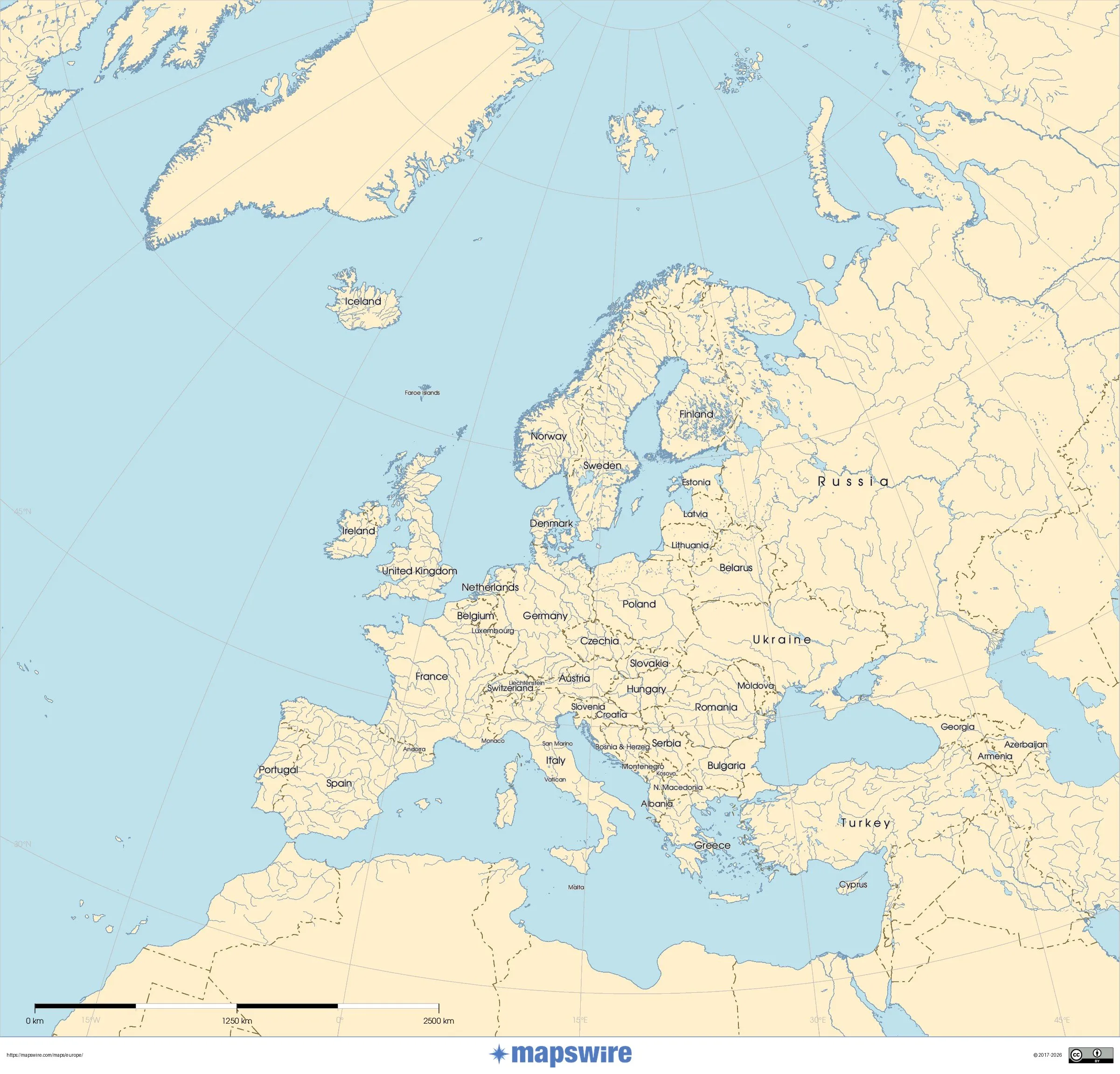
Europe
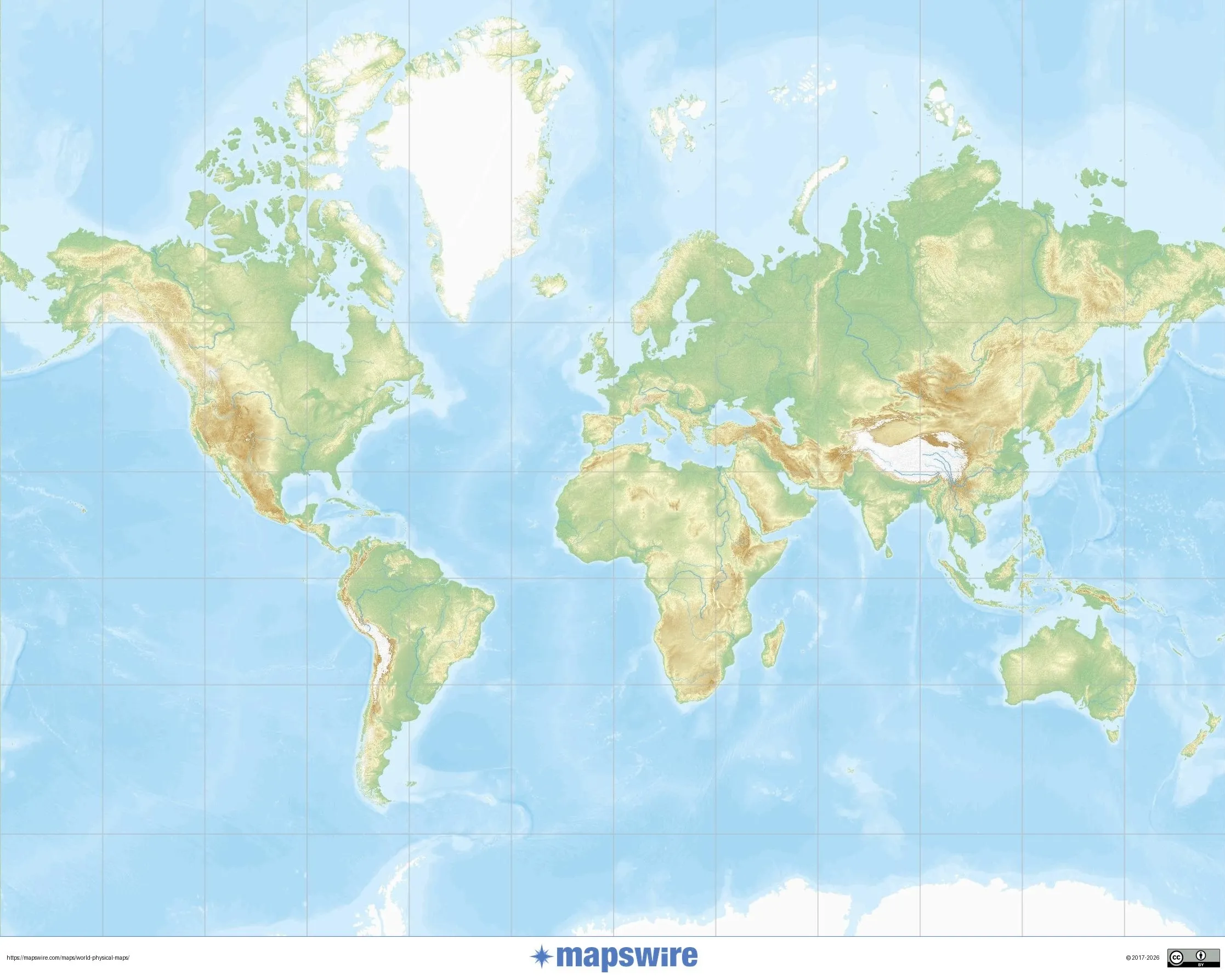
World
Related Links
| Group | List |
|---|---|
| Western Europe | British Politics French Politics Jewish relief Nuclear Science |
| Central Europe | Nazi Germany Weimar Republic German Anti-Nazis Warsaw Ghetto Arts & Music |
Comments