The Weimar Republic and Its Key Figures

Weimar Republic
The Weimar Republic, established after World War I, served as Germany's first democratic experiment from 1919 to 1933. Named after the city where its constitution was drafted, the republic faced severe economic instabilities, hyperinflation, political extremism from both the left and right, and widespread resentment over the Treaty of Versailles. Despite these immense challenges, it became a vibrant center for cultural innovation and democratic reform. However, the devastating economic impact of the Great Depression, coupled with deep structural vulnerabilities and reliance on presidential emergency decrees, eroded parliamentary authority and eventually enabled the rise of Adolf Hitler and the Nazi regime, bringing a tragic end to the republic.
People
Birth
Death
Origin
Age (Death)
| Mar 25, 1860 | |
|---|---|
| Jan 15, 1863 | |
| Sep 29, 1867 | |
| Feb 4, 1871 | |
| Sep 20, 1875 | |
| May 18, 1876 | |
| May 10, 1878 | |
| Nov 26, 1885 |
Timeline
| Category |
|
|---|---|
| Element |
| Year | Weimar Republic |
|---|---|
| 1860 |
Birth of Friedrich Naumann (Period: March 25, 1860, Location: Großpösna (Störmthal district, Germany))
|
| 1863 |
Birth of Wilhelm Marx (Period: January 15, 1863, Location: Cologne, Germany)
|
| 1867 |
Birth of Walther Rathenau (Period: September 29, 1867, Location: Berlin, Germany (then North German Confederation))
|
| 1871 |
Birth of Friedrich Ebert (Period: February 4, 1871, Location: Heidelberg (Germany))
|
| 1875 |
Birth of Matthias Erzberger (Period: September 20, 1875, Location: Münsingen (Germany, Baden-Württemberg))
|
| 1876 |
Birth of Hermann Müller (Period: May 18, 1876, Location: Mannheim, Grand Duchy of Baden, German Empire (present-day Mannheim, Germany))
|
| 1878 |
Birth of Gustav Stresemann (Period: May 10, 1878, Location: Berlin (Germany))
|
| 1879 |
Studies in Theology and Philosophy (Period: 1879–1883, Location: Leipzig, Erlangen)
|
| 1883 |
Educational Activities at Rauhes Haus (Period: 1883–1885, Location: Hamburg)
|
| 1885 |
Studies at the Universities of Berlin and Strasburg (Period: 1885–1889, Location: Germany, Berlin; France, Strasbourg)
Birth of Heinrich Brüning (Period: November 26, 1885, Location: Münster (Germany))
|
| 1886 |
Activities as a Pastor (Period: 1886–1897, Location: Saxony, Frankfurt am Main)
|
| 1888 |
Beginning of Career as Jurist and Judge (Period: 1888–1921, Location: Cologne, Waldbröl, Simmern, Elberfeld, Düsseldorf, Limburg an der Lahn, Berlin)
|
| 1889 |
Joining the SPD and Participation in the Labor Movement (Period: 1889–1905, Location: Mannheim, Bremen, etc.)
|
| 1890 |
German Domestic Controversy over the Armenian Genocide (Period: 1890s – after 1915, Location: Armenian regions of the Ottoman Empire, Germany)
Military Service (Period: 1890–1891, Location: Germany, Berlin)
|
| 1892 |
Work in the Swiss Aluminum Industry (Period: 1892, Location: Neuhausen, Switzerland)
|
| 1894 |
Founding and Editing of "Die Hilfe" (Period: 1894–1919, Location: Frankfurt am Main, Berlin)
Activities as an Elementary School Teacher (Period: 1894–1896, Location: Southwestern Germany)
|
| 1896 |
Founding of the National-Social Association (Period: 1896, Location: Erfurt)
Activities as a Journalist (Period: 1896–1903, Location: Stuttgart)
|
| 1897 |
Participation in Founding Christian Trade Unions (Period: 1897–1899, Location: Mainz, etc.)
|
| 1899 |
Political Activities in the Centre Party (Period: 1899–1928, Location: Elberfeld, Düsseldorf, Prussia, Germany)
Joining the Board of Directors of AEG (Period: 1899, Location: Germany, Berlin)
|
| 1900 |
Publication of "Democracy and Empire" (Period: 1900, Location: Berlin)
|
| 1902 |
Industrial Activities and Political Participation (Period: 1902–1907, Location: Dresden, Berlin, etc.)
|
| 1903 |
Dissolution of the National-Social Association and Merger with the Liberal Camp (Period: 1903, Location: Various parts of Germany)
First Election to the Reichstag (Matthias Erzberger) (Period: 1903, Location: Biberach Constituency (Württemberg))
|
| 1904 |
University Studies and Doctorate (Heinrich Brüning) (Period: 1904–1915, Location: Strasbourg, London, Bonn)
Herero and Namaqua Genocide (Period: 1904–1908, Location: German Southwest Africa (present-day Namibia))
|
| 1905 |
Exposing Scandals in German Colonial Policy (Period: 1905 – early 1910s, Location: Reichstag of the German Empire, German colonies, etc.)
|
| 1907 |
Election to the Reichstag (Gustav Stresemann) (Period: 1907, Location: Reichstag of the German Empire)
First Election to the Reichstag (Friedrich Naumann) (Period: 1907, Location: 3rd Württemberg Constituency (Heilbronn))
Co-founding of the Deutscher Werkbund (Period: 1907, Location: Munich)
Visit to German East Africa (Period: 1907, Location: German East Africa (present-day Tanzania, etc.))
|
| 1908 |
Visit to German Southwest Africa (Period: 1908, Location: German Southwest Africa (present-day Namibia))
Daily Telegraph Affair (Period: October – November 1908, Location: Berlin (Germany))
|
| 1909 |
Participation in the 1909 Finance Reform (Period: 1909, Location: Berlin, Reichstag of the German Empire)
|
| 1912 |
Election to the Reichstag (Friedrich Ebert) (Period: 1912, Location: Elberfeld-Barmen Constituency (present-day Wuppertal))
Joining the Leadership of the Centre Party Reichstag Group (Period: 1912, Location: Berlin)
|
| 1913 |
Assuming the Leadership of the SPD (Friedrich Ebert) (Period: September 20, 1913, Location: Jena)
|
| 1914 |
World War I (Period: 1914–1918, Location: Western Front, Belgium and France)
Support for War Aims in early WWI (Period: 1914–1916, Location: Berlin, Reichstag of the German Empire)
Establishment and Direction of the War Raw Materials Department (Period: August 1914 – March 1915, Location: Prussian War Ministry, Germany)
|
| 1915 |
Publication of "Mitteleuropa (Central Europe)" (Period: 1915, Location: Within Germany, including Berlin)
Establishment of the Central European Work Committee (Period: Late 1915 – February 22, 1916, Location: Berlin)
Becoming President of AEG (Walther Rathenau) (Period: June 1915, Location: Germany, Berlin)
|
| 1916 |
Shift to a Peace of Understanding without Annexations (Period: 1916–1917, Location: Berlin, Reichstag of the German Empire)
|
| 1917 |
Support for the 1917 Reichstag Peace Resolution (Period: 1917, Location: Berlin, Reichstag of the German Empire)
Support for the Peace Resolution during WWI (Period: 1917, Location: Berlin, Reichstag of the German Empire)
Founding of the National Political School (Period: 1917, Location: Berlin)
Leading the Reichstag Peace Resolution Initiative (Period: July 1917, Location: Berlin, Reichstag of the German Empire)
1917 Reichstag Peace Resolution (Period: July 19, 1917, Location: Berlin, Reichstag of the German Empire)
|
| 1918 |
Formation of the German People's Party and Assumption of Party Leadership (Gustav Stresemann) (Period: 1918–1919, Location: Berlin, etc.)
German Revolution (Period: 1918–1919, Location: Various parts of Germany, especially Berlin, etc.)
Rhineland Separatist Movement (Period: 1918 – 1920s, Location: Rhineland, Germany)
Support for the Reintegration of Returning Soldiers (Period: 1918–1920, Location: Berlin, etc.)
Post-WWI German Revolution and Civil Conflicts (Period: 1918–1919, Location: Various parts of Germany centered around Berlin)
Joining the German Democratic Party (DDP) (Period: 1918, Location: Germany)
German Revolution of 1918 (Period: October 1918 – August 1919, Location: Various parts of Germany centered around Berlin, Weimar)
Appointment as State Secretary (Matthias Erzberger) (Period: October 3, 1918, Location: Berlin)
German Revolution (November Revolution) (Period: November 1918 – 1919, Location: Various parts of Germany, especially Berlin)
German Revolution / November Revolution (Period: November 1918 – 1919, Location: Various parts of Germany including Berlin and Weimar)
Founding of the German Democratic Party (DDP) (Period: November 1918 – 1919, Location: Berlin, Weimar)
Appointment as Head of the Armistice Commission (Matthias Erzberger) (Period: November 6, 1918, Location: From Berlin to the Forest of Compiègne (France))
Armistice of Compiègne (Period: November 8–11, 1918, Location: Forest of Compiègne (France))
Taking Office as Chancellor in November 1918 (Friedrich Ebert) (Period: November 9, 1918, Location: Berlin)
Signing of the Armistice of Compiègne (Period: November 11, 1918, Location: Forest of Compiègne (France))
1918 Christmas Crisis (Period: December 23–24, 1918, Location: Berlin)
|
| 1919 |
Participation in the Weimar National Assembly (Period: 1919–1920, Location: Germany, Weimar)
Support for the Acceptance of the Treaty of Versailles (Period: 1919, Location: Germany and the Occupied Rhineland)
Issue of the Treaty of Versailles (Period: 1919, Location: Versailles (France), Weimar (Germany))
Erzberger Finance Reform (Period: 1919–1920, Location: Berlin, All of Germany)
German Domestic Political Conflicts over the Treaty of Versailles (Period: 1919–1922, Location: Germany)
Participation in the German Delegation to the Paris Peace Conference (Period: 1919, Location: France, Paris and Versailles)
Spartacist Uprising (Period: January 5–12, 1919, Location: Berlin)
Election to the National Assembly (Friedrich Naumann) (Period: January 19, 1919, Location: Berlin Constituency, Weimar)
Establishment of the Weimar Constitution and Consolidation of Republic Government (Period: February – August 1919, Location: Weimar)
Participation in Drafting the Weimar Constitution (Period: February – August 1919, Location: Weimar)
Election as President by the National Assembly (Period: February 11, 1919, Location: Weimar)
Response to the Treaty of Versailles (Period: May – June 1919, Location: Weimar, Berlin, etc.)
Promoting Acceptance of the Treaty of Versailles (Period: June – July 1919, Location: Berlin, Weimar)
Taking Office as Vice-Chancellor and Finance Minister (Matthias Erzberger) (Period: June 21, 1919, Location: Berlin)
Signing of the Treaty of Versailles (Period: June 28, 1919, Location: Versailles, France)
Assuming the Leadership of the German Democratic Party (Friedrich Naumann) (Period: July 22, 1919, Location: Berlin)
Death of Friedrich Naumann (Period: August 24, 1919)
Death of Friedrich Naumann (Period: August 24, 1919, Location: Travemünde (present-day Lübeck, Germany))
|
| 1920 |
Maintenance of Order in the Republic through Presidential Emergency Powers (Period: 1920–1924, Location: Various parts of Germany)
Assuming Leadership of Christian Trade Unions (Heinrich Brüning) (Period: 1920–1930, Location: Berlin)
Participation in the Socialization Commission (Period: 1920, Location: Germany)
Participation in the Spa Conference (Period: 1920, Location: Spa, Belgium)
Erzberger-Helfferich Trial (Period: January – March 1920, Location: Berlin Moabit District Court)
Resignation as Finance Minister (Matthias Erzberger) (Period: March 12, 1920, Location: Berlin)
Kapp Putsch (Period: March 13–17, 1920, Location: Berlin and various parts of Germany)
Assassination Attempt in Esslingen (Period: May 1920, Location: Esslingen am Neckar (Germany))
Return to the Reichstag of the Weimar Republic (Period: June 1920 – 1921, Location: Berlin)
|
| 1921 |
Taking Office as Minister for Reconstruction (Walther Rathenau) (Period: May 1921 – October 1921, Location: Germany, Berlin)
Death of Matthias Erzberger (Period: August 26, 1921)
Assassination of Matthias Erzberger (Period: August 26, 1921, Location: Near Bad Griesbach in the Black Forest (Germany))
Wiesbaden Agreement (Period: October 1921, Location: Wiesbaden, Germany)
|
| 1922 |
Assuming the Leadership of the Centre Party (Wilhelm Marx) (Period: January 17, 1922, Location: Berlin, Germany)
Taking Office as Foreign Minister (Walther Rathenau) (Period: February 1, 1922, Location: Germany, Berlin)
Genoa Conference (Period: April 1922, Location: Genoa, Italy)
Conclusion of the Treaty of Rapallo (Period: April 16, 1922, Location: Rapallo, Italy)
Investigation and Trial of the Rathenau Assassination (Period: June 1922 – October 1922 and after, Location: Various parts of Germany including Berlin, Thuringia)
Death of Walther Rathenau (Period: June 24, 1922)
Assassination of Walther Rathenau (Period: June 24, 1922, Location: Germany, Berlin, en route from Grunewald district to the Foreign Office)
Anti-Terror Demonstrations after Rathenau's Assassination (Period: June 27 – late June 1922, Location: Various parts of Germany, especially Berlin)
|
| 1923 |
Occupation of the Ruhr (Period: January 1923 – 1925, Location: Ruhr Region (Germany))
Occupation of the Ruhr and Passive Resistance (Period: January 1923 – 1923, Location: Ruhr Region (Germany))
Hyperinflation in the Weimar Republic (Period: 1923, Location: All of Germany)
Taking Office as Chancellor and Foreign Minister (Gustav Stresemann) (Period: August 13, 1923, Location: Berlin)
End of Passive Resistance in the Ruhr (Period: September 26, 1923, Location: Berlin, Ruhr Region)
Rhenish Republic Movement (Period: October 1923, Location: Rhineland centered around Aachen)
Currency Stabilization through the Rentenmark (Period: November 1923, Location: All of Germany)
Resignation as Chancellor and Continuation as Foreign Minister (Gustav Stresemann) (Period: November 1923 – October 1929, Location: Berlin)
Beer Hall Putsch (Munich Putsch) (Period: November 8–9, 1923, Location: Munich)
First Marx Cabinet (Period: November 30, 1923 – January 15, 1925, Location: Berlin, Germany)
|
| 1924 |
Adoption of the Dawes Plan (Period: 1924, Location: London, Paris, Berlin, etc.)
First Election to the Reichstag (Heinrich Brüning) (Period: May 1924, Location: Breslau Constituency (present-day Wrocław))
Participation in the Dawes Plan (Period: August 1924, Location: International Diplomacy centered around London)
Political Conflict over the Magdeburg Libel Trial (Period: December 1924, Location: Magdeburg)
|
| 1925 |
1925 German Presidential Election (Wilhelm Marx) (Period: 1925, Location: All of Germany)
Taking Office as Minister-President of Prussia (Wilhelm Marx) (Period: February – April 1925, Location: Prussia)
Death of Friedrich Ebert (Period: February 28, 1925)
Death of Friedrich Ebert (Period: February 28, 1925, Location: Berlin)
Locarno Treaties (Period: October – December 1925, Location: Locarno (Switzerland), London (UK))
|
| 1926 |
Awarded the Nobel Peace Prize (Gustav Stresemann) (Period: 1926, Location: Oslo (Norway))
Reichswehr Secret Military Cooperation Issue (Period: 1926, Location: Relations between Germany and the Soviet Union)
Treaty of Berlin (Period: April 24, 1926, Location: Berlin)
Second Marx Cabinet (Period: May 17, 1926 – June 29, 1928, Location: Berlin, Germany)
Referendum on the Expropriation of the Princes (Period: June 1926, Location: All of Germany)
Germany's Admission to the League of Nations (Period: September 8, 1926, Location: Geneva (Switzerland))
|
| 1927 |
Establishment of a Comprehensive Unemployment Insurance System (Period: July 16, 1927, Location: Germany)
|
| 1928 |
Participation in the Kellogg-Briand Pact (Period: 1928, Location: Paris (France), etc.)
Resignation as Chancellor and Retirement from Politics (Wilhelm Marx) (Period: 1928–1932, Location: Germany)
Election to the Prussian Landtag (Heinrich Brüning) (Period: 1928–1930, Location: Berlin, Prussian Landtag)
|
| 1929 |
Adoption of the Young Plan (Period: 1929, Location: Paris, The Hague, etc.)
Great Depression and German Economic Crisis (Period: 1929–1932, Location: All of Germany)
Death of Gustav Stresemann (Period: October 3, 1929)
Death of Gustav Stresemann (Period: October 3, 1929, Location: Berlin (Germany))
|
| 1930 |
Austerity and Deflationary Policy (Period: 1930–1932, Location: All of Germany)
Taking Office as Chancellor (Heinrich Brüning) (Period: March 30, 1930, Location: Berlin)
1930 Reichstag Election and the Rise of the Nazi Party (Heinrich Brüning) (Period: September 14, 1930, Location: All of Germany)
|
| 1931 |
Concept of a German-Austrian Customs Union (Period: 1931, Location: Berlin, Vienna, Geneva, etc.)
Response to the Hoover Moratorium (Period: 1931, Location: Berlin, Washington, Paris, etc.)
Death of Hermann Müller (Period: March 20, 1931)
German Banking Crisis (Period: June – July 1931, Location: All of Germany, Berlin)
Concurrently Serving as Foreign Minister (Period: October 9, 1931 – June 1, 1932, Location: Berlin)
|
| 1932 |
Support for President Hindenburg's Re-election (Period: March – April 1932, Location: Various parts of Germany, Berlin)
Ban on SA and Communist Paramilitary Organizations (Period: April 1932, Location: All of Germany)
Collapse of the Brüning Cabinet (Period: May – June 1932, Location: Berlin)
Resignation as Chancellor (Heinrich Brüning) (Period: May 30 – June 1, 1932, Location: Berlin)
|
| 1933 |
National Union Trial (Period: 1933–1935, Location: Nazi Germany)
Later Years under the Nazi Regime (Period: 1933–1945, Location: Bonn, Germany)
Reichstag Activities after the Nazi Rise to Power (Period: January – July 1933, Location: Berlin)
|
| 1934 |
Exile to the United States and Professorship at Harvard University (Heinrich Brüning) (Period: 1934–1952, Location: United States, Cambridge, Massachusetts)
Exile before the Night of the Long Knives (Heinrich Brüning) (Period: June 1934, Location: From Germany via Netherlands, Switzerland, and UK to USA)
|
| 1939 |
World War II (Period: 1939–1945, Location: UK, France, North Africa, Mediterranean, Atlantic, etc.)
|
| 1946 |
Death of Wilhelm Marx (Period: August 5, 1946)
|
| 1951 |
Return to Postwar Germany and Activities at the University of Cologne (Heinrich Brüning) (Period: 1951–1955, Location: Cologne (West Germany))
|
| 1970 |
Death of Heinrich Brüning (Period: March 30, 1970)
Death of Heinrich Brüning (Period: March 30, 1970, Location: Norwich (United States, Vermont))
|
Map
| Category | |
|---|---|
| Element |
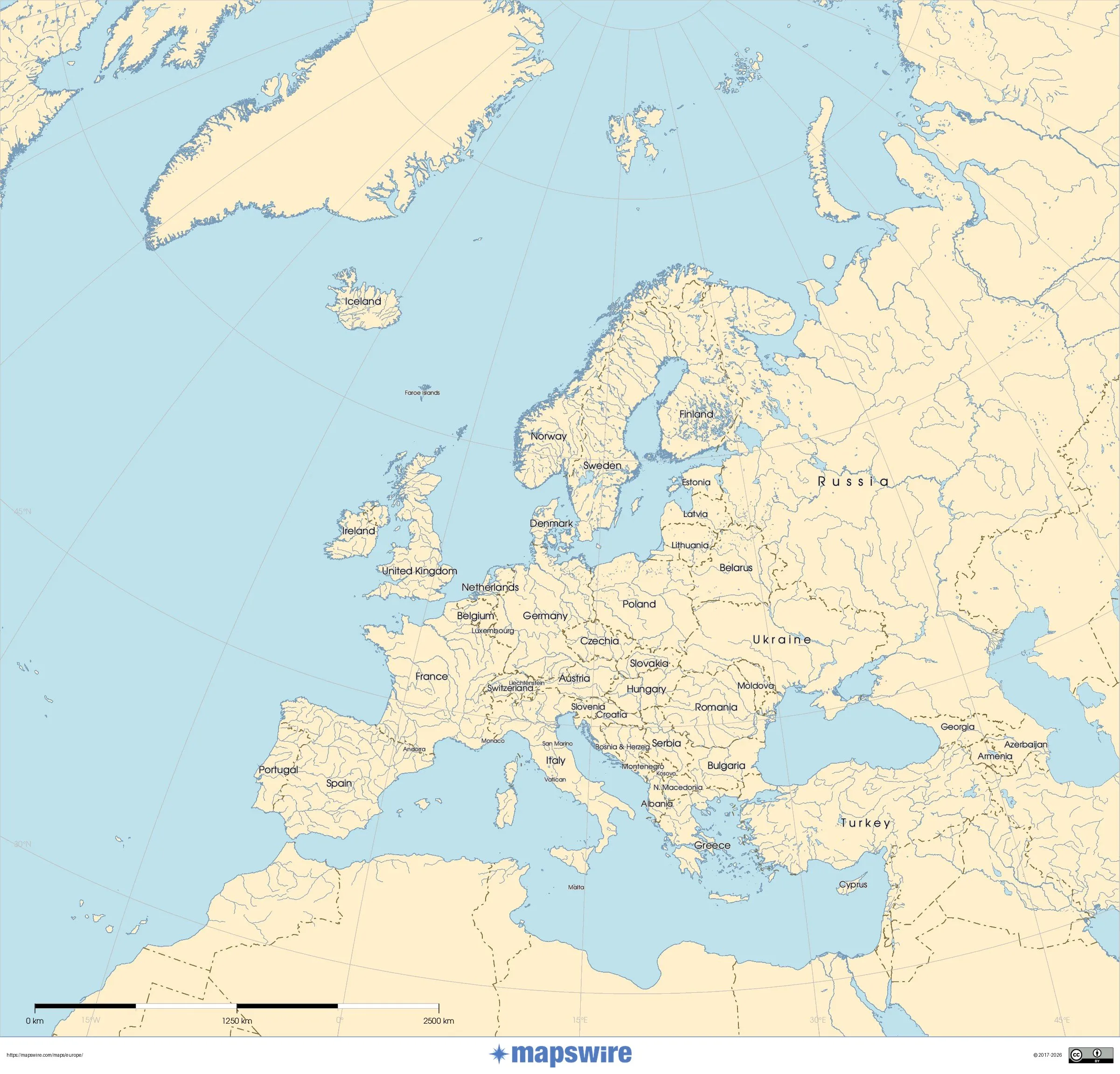
Europe
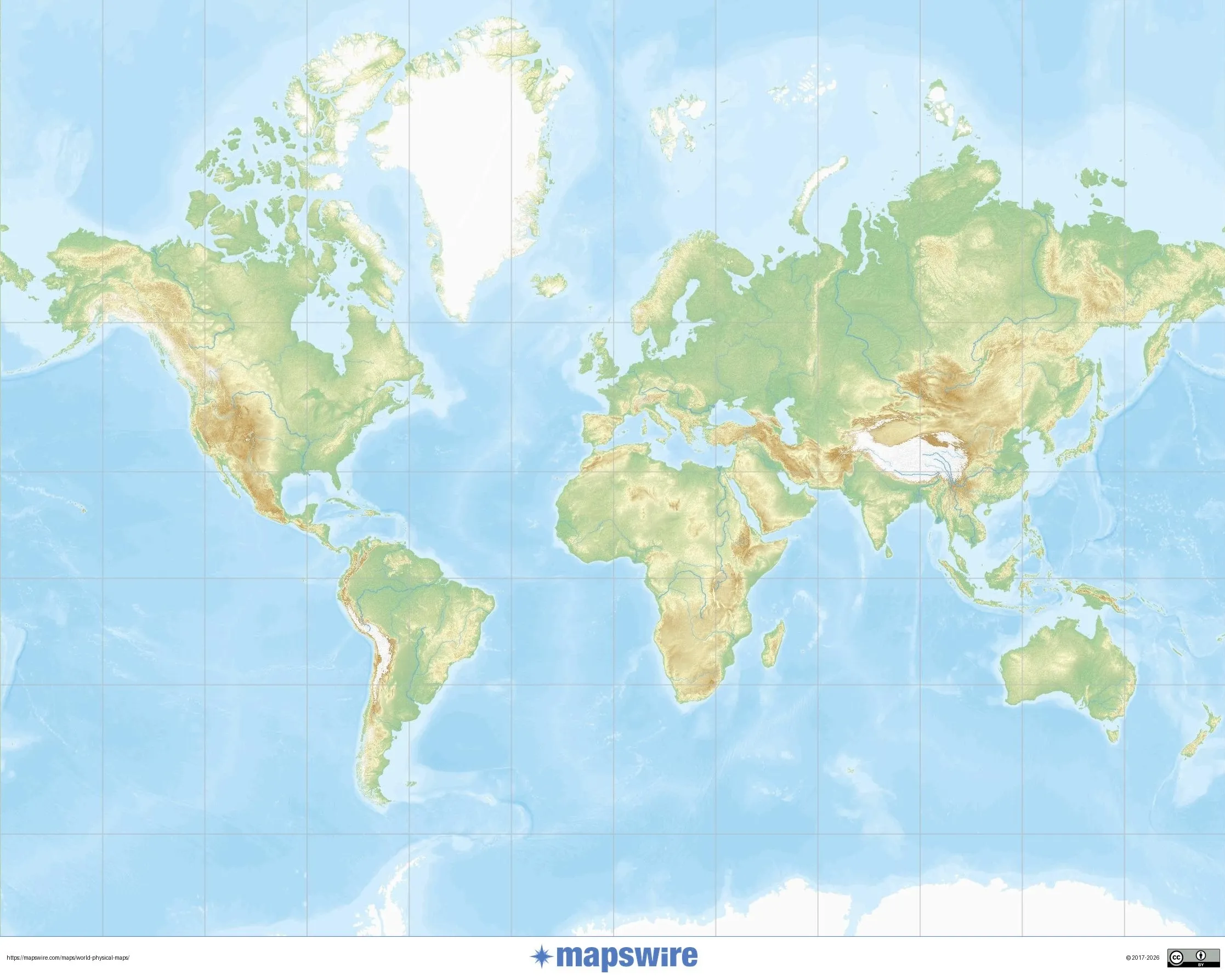
World
Related Links
| Group | List |
|---|---|
| Western Europe | British Politics French Politics Jewish relief Nuclear Science |
| Central Europe | Nazi Germany Weimar Republic German Anti-Nazis Warsaw Ghetto Arts & Music |
Comments