French Political Turmoil and Resistance in World War II

French Politics
French politics during World War II was defined by deep ideological divisions, tragic defeat, and the struggle for liberation. Following the catastrophic military collapse in May 1940, the Third Republic disintegrated, giving rise to the authoritarian Vichy regime under Marshal Philippe Pétain, which actively collaborated with Nazi Germany. Meanwhile, General Charles de Gaulle fled to London to establish Free France, calling on citizens to resist foreign occupation. Throughout the conflict, French political life was fractured between collaborationists, internal resistance networks, and exile forces fighting to restore national sovereignty. Following the Allied invasion of Normandy and the liberation of Paris in 1944, a Provisional Government was established, paving the way for the creation of the Fourth Republic and reshaping modern French democracy.
People
Birth
Death
Origin
Age (Death)
| Sep 28, 1841 | |
|---|---|
| Apr 24, 1856 | |
| Jan 21, 1867 | |
| Apr 9, 1872 | |
| Sep 20, 1872 | |
| Oct 15, 1878 | |
| Jun 18, 1884 | |
| Nov 22, 1890 |
Timeline
| Category |
|
|---|---|
| Element |
| Year | French Politics |
|---|---|
| 1841 |
Birth of Georges Clemenceau (Period: September 28, 1841, Location: Mouilleron-en-Pareds (now Mouilleron-Saint-Germain), France)
|
| 1856 |
Birth of Philippe Pétain (Period: April 24, 1856, Location: Cauchy-à-la-Tour (Pas-de-Calais, France))
|
| 1867 |
Birth of Maxime Weygand (Period: January 21, 1867, Location: Brussels (Present-day Belgium))
|
| 1872 |
Birth of Léon Blum (Period: April 9, 1872, Location: Paris (France))
Birth of Maurice Gamelin (Period: September 20, 1872, Location: Paris (France))
|
| 1876 |
Admission to the Saint-Cyr Military Academy (Philippe Pétain) (Period: 1876–1878, Location: Saint-Cyr, France)
|
| 1878 |
Birth of Paul Reynaud (Period: October 15, 1878, Location: Barcelonnette (Alpes-de-Haute-Provence, France))
|
| 1884 |
Birth of Édouard Daladier (Period: June 18, 1884, Location: Carpentras (Vaucluse, France))
|
| 1885 |
Admission to and Graduation from the Saint-Cyr Military Academy (Maxime Weygand) (Period: 1885–1887, Location: Saint-Cyr, France)
|
| 1888 |
Acquisition of the Surname Weygand and French Naturalization (Maxime Weygand) (Period: October 18, 1888, Location: France)
|
| 1890 |
Admission to the École Normale Supérieure (Léon Blum) (Period: 1890, Location: Paris, France)
Birth of Charles de Gaulle (Period: November 22, 1890, Location: Lille (Nord, France))
|
| 1894 |
Dreyfus Affair (Period: 1894–1906, Location: France, especially Paris)
|
| 1895 |
Beginning of Service at the Conseil d'État (Period: 1895, Location: Paris, France)
|
| 1897 |
Legal Education in Paris (Period: 1897–1904, Location: Paris, France)
Participation in the Dreyfus Affair (Period: 1897 – early 1900s, Location: Paris, France)
|
| 1898 |
Political Activity surrounding the Dreyfus Affair (Period: c. 1898, Location: France)
|
| 1901 |
Tactical Instruction at the École Supérieure de Guerre (Period: 1901–1910, Location: Paris, France)
|
| 1902 |
Participation in the Founding of the French Section of the Workers' International (SFIO) (Period: 1902–1905, Location: France)
Instructor at the Saumur Cavalry School (Period: 1902–1907, 1910–1912, Location: Saumur, France)
|
| 1908 |
Admission to the Saint-Cyr Military Academy (Charles de Gaulle) (Period: 1908–1912, Location: Saint-Cyr-Coëtquidan, France)
|
| 1910 |
Beginning of Career as a Lawyer (Period: 1910, Location: Paris, France)
|
| 1912 |
Appointment as Mayor of Carpentras (Édouard Daladier) (Period: 1912, Location: Carpentras, France)
|
| 1914 |
World War I (Period: 1914–1918, Location: Western Front, Belgium and France)
Emergence as Social Party Leader after the Assassination of Jean Jaurès (Period: 1914–1920, Location: France)
Service as Foch's Chief of Staff in World War I (Period: 1914–1918, Location: Western Front / Allied Headquarters)
Promotion at the Outbreak of World War I (Period: August 1914, Location: France)
|
| 1915 |
Military service in World War I (Period: 1914–1918, Location: Western Front)
|
| 1916 |
Command at the Battle of Verdun (Period: February–December 1916, Location: Verdun, France)
Prisoners of War at the Battle of Verdun (Period: March–December 1916, Location: Verdun, France)
|
| 1917 |
1917 French Army Mutinies (Period: April–Autumn 1917, Location: Western Front, France)
Appointment as Commander-in-Chief of the French Army (Philippe Pétain) (Period: May 15, 1917, Location: Western Front, France)
|
| 1918 |
Participation in the Diplomatic Mission to Soviet Russia (Period: 1918, Location: Moscow, Russia, etc.)
Appointment as Marshal of France (Philippe Pétain) (Period: November 19, 1918, Location: France)
|
| 1919 |
Polish-Soviet War (Period: 1919–1921, Location: Eastern Europe, including Poland and Ukraine)
First Election to the National Assembly (Paul Reynaud) (Period: 1919–1924, Location: Basses-Alpes Department, France)
First Election to Parliament (Édouard Daladier) (Period: 1919, Location: Vaucluse Department, France)
First Election to Parliament (Léon Blum) (Period: 1919, Location: Seine Department, France)
Participation in the Paris Peace Conference (Period: 1919, Location: Paris, France)
|
| 1920 |
Advocacy of Armored and Mechanized Warfare (Period: 1920s–1930s, Location: France)
Assumption of SFIO Party Leadership (Léon Blum) (Period: 1920–1921, Location: France)
Appointment as Military Advisor to Poland (Maxime Weygand) (Period: 1920, Location: Warsaw, Poland)
Defense of Warsaw and the Red Army Offensive (Period: August 1920, Location: Warsaw, Poland)
|
| 1923 |
Appointment as High Commissioner to the Levant (Maxime Weygand) (Period: 1923–1924, Location: Beirut, French Mandate for Syria and Lebanon)
|
| 1925 |
Rif War (Period: 1925–1926, Location: Rif Region, Northern Morocco)
Deployment to Morocco and Command in the Rif War (Period: 1925–1926, Location: Northern Morocco)
|
| 1928 |
Return as Deputy for Paris (Period: 1928–1940, Location: Paris, France)
|
| 1929 |
Admission to the Académie Française (Period: 1929, Location: Paris, France)
Death of Georges Clemenceau (Period: November 24, 1929, Paris, France)
|
| 1930 |
Appointment as Vice-President of the Supreme War Council and Inspector General of the Army (Philippe Pétain) (Period: 1930–1931, Location: Paris, France)
Appointment as Chief of Staff of the French Army (Maxime Weygand) (Period: January 1930 – February 1931, Location: Paris, France)
|
| 1931 |
Appointment as Vice-President of the Supreme Military Council (Maxime Weygand) (Period: 1931–1935, Location: Paris, France)
|
| 1933 |
Stavisky Affair (Period: 1933–1934, Location: France)
First Appointment as Prime Minister (Édouard Daladier) (Period: January 31 – October 26, 1933, Location: Paris, France)
|
| 1934 |
6 February 1934 Crisis (Period: February 6, 1934, Location: Paris, France)
Appointment as Minister of War (Philippe Pétain) (Period: February 9 – November 8, 1934, Location: Paris, France)
|
| 1935 |
Formation of the Popular Front (Period: 1935–1936, Location: France)
Retirement (Period: 1935, Location: France)
|
| 1936 |
Spanish Civil War (Period: 1936–1939, Location: Spain)
Appointment as Minister of National Defense and French Rearmament (Édouard Daladier) (Period: 1936–1938, Location: Paris, France)
Social Reforms of the Popular Front (Period: 1936–1937, Location: France)
Attack on Léon Blum (Period: February 13, 1936, Location: Boulevard Saint-Germain, Paris)
Establishment of the Popular Front Government (Period: June 1936, Location: Paris, France)
Matignon Accords (Period: June 7–8, 1936, Location: Paris, France)
|
| 1937 |
Resignation of the First Blum Cabinet (Period: June 22, 1937, Location: Paris, France)
|
| 1938 |
Promotion of Financial and Economic Policies (Period: 1938–1940, Location: Paris, France)
Sudeten Crisis (Period: 1938, Location: Czechoslovakia, Germany, France, and United Kingdom)
Second Appointment as Prime Minister (Édouard Daladier) (Period: January 30 – February 9, 1938, Location: Paris, France)
Second Blum Cabinet (Period: March 13 – April 10, 1938, Location: Paris, France)
Third Appointment as Prime Minister (Édouard Daladier) (Period: April 10, 1938 – March 21, 1940, Location: Paris, France)
Munich Agreement (Period: September 1938, Location: Munich, Germany)
Munich Crisis / Munich Agreement (Period: September 1938, Location: Munich, Germany)
Opposition to the Munich Agreement (Period: September–October 1938, Location: France and Munich)
Signing of the Munich Agreement (Period: September 29–30, 1938, Location: Munich, Germany)
|
| 1939 |
World War II (Period: 1939–1945, Location: UK, France, North Africa, Mediterranean, Atlantic, etc.)
Appointment as Ambassador to Spain (Philippe Pétain) (Period: 1939–1940, Location: Madrid, Spain)
Return to Active Service in World War II (Period: September 1939, Location: Middle East and France)
Declaration of War on Germany (Period: September 3, 1939, Location: Paris, France)
Winter War (Period: November 1939 – March 1940, Location: Finland)
|
| 1940 |
Conflict between Free France and the Vichy Regime (Period: 1940–1944, Location: France, United Kingdom, North Africa, etc.)
Founding of Free France (Period: 1940–1943, Location: London, UK / French Africa, etc.)
Detention by the Vichy Regime and Transfer to Germany (Period: 1940–1945, Location: France, Germany, and Austria)
Detention during World War II (Period: 1940–1943, Location: France)
Persecution of Jews by the Vichy Regime (Period: 1940–1944, Location: Entirety of France)
Promotion of Collaborationist Policies with Germany (Period: 1940–1944, Location: Vichy, France)
Vichy Regime Policies in North Africa (Period: 1940–1941, Location: Algeria and French North Africa)
Appointment as Prime Minister of France (Paul Reynaud) (Period: March 21 – June 16, 1940, Location: Paris, Tours, and Bordeaux, France)
Resignation as Prime Minister (Édouard Daladier) (Period: March 21, 1940, Location: Paris, France)
Norwegian Campaign and the French Political Crisis (Period: April–May 1940, Location: Norway and Paris, France)
Command of the 4th Armored Division (Period: May 1940, Location: Northern France)
1940 Armistice Debate in the French Government (Period: May–June 1940, Location: Paris, Tours, and Bordeaux, France)
Nazi Occupation of the Netherlands (Period: May 1940 – May 1945, Location: Netherlands, especially Amsterdam)
French Defeat and Armistice (Period: May–June 1940, Location: France)
1940 Defeat of the French Army and the Weygand Line (Period: May–June 1940, Location: Somme River, Aisne River, and Northern France)
Appointment as Commander-in-Chief of the French Armed Forces (Maxime Weygand) (Period: May 19 – June 1940, Location: Northern France / Western Front)
Plan to Relocate the French Government to North Africa (Period: June 1940, Location: Bordeaux, France and French North Africa)
French Defeat and Detention (Period: June 1940 – 1943, Location: France, especially Portalet Fortress, etc.)
Participation in the Vichy Regime (Period: June–November 1940, Location: Vichy, France)
Appointment of Charles de Gaulle (Period: June 5, 1940, Location: France)
Appointment as Under-Secretary of State for National Defense and War (Charles de Gaulle) (Period: June 6–16, 1940, Location: Paris, France)
Resignation of the Paul Reynaud Cabinet (Paul Reynaud) (Period: June 16, 1940, Location: Bordeaux, France)
Appointment as Prime Minister and President of the Council of Ministers (Philippe Pétain) (Period: June 16, 1940, Location: Bordeaux, France)
French Decision for Armistice (Period: June 16–24, 1940, Location: Bordeaux, France / Area around Compiègne)
Appointment as Minister of National Defense (Maxime Weygand) (Period: June 16 – September 5, 1940, Location: Bordeaux and Vichy, France)
Appeal of 18 June (Period: June 18, 1940, Location: London, UK / BBC Broadcasting)
Signing of the Franco-German Armistice (Period: June 22, 1940, Location: Compiègne, France)
Establishment of the Vichy Regime (Period: July 1940, Location: Vichy, France)
Opposition to the Granting of Full Powers to Pétain (Period: July 10, 1940, Location: Vichy, France)
Granting of Full Powers to Pétain (Period: July 10, 1940, Location: Vichy, France)
Assumption of Office as Chief of the French State (Philippe Pétain) (Period: July 11, 1940 – August 20, 1944, Location: Vichy, France)
Detention by the Vichy Regime (Period: September 1940 – 1942, Location: France)
Appointment as Delegate-General in French North Africa (Maxime Weygand) (Period: September 1940 – November 1941, Location: Algeria and French North Africa)
Battle of Dakar (Period: September 23–25, 1940, Location: Dakar, French West Africa)
Montoire Conference (Period: October 24, 1940, Location: Montoire-sur-le-Loir, France)
|
| 1941 |
Dismissal of Weygand (Period: November 1941, Location: North Africa and Algeria)
Dismissal from North Africa (Period: November 1941, Location: Algeria and Vichy, France)
|
| 1942 |
Imprisonment in Germany and Austria (Period: 1942–1945, Location: Germany and Austria)
Riom Trial (Period: 1942–1943, Location: Lyon, France)
Detention by German Forces and Imprisonment at Castle Itter (Period: 1942–1945, Location: Germany, Austria, and Castle Itter)
Frank Family's Life in Hiding (Period: July 6, 1942 – August 4, 1944, Location: The Rear Annex at Prinsengracht 263, Amsterdam)
Allied Landing in North Africa and Arrest of Weygand (Period: November 1942, Location: Algeria and North Africa)
|
| 1943 |
Leadership of the French Committee of National Liberation (Period: 1943–1944, Location: Algiers, Algeria)
Transfer and Imprisonment in Germany (Period: 1943–1945, Location: Buchenwald Concentration Camp and Castle Itter)
Imprisonment at Buchenwald (Period: 1943–1945, Location: Buchenwald Concentration Camp, Germany)
|
| 1944 |
Head of the Provisional Government of the French Republic (Period: August 1944 – January 1946, Location: Paris, France)
Transfer to Sigmaringen (Period: August–September 1944, Location: Vichy, Morvillars, and Sigmaringen)
Liberation of Paris (Period: August 19–25, 1944, Location: Paris, France)
|
| 1945 |
Special Envoy to Washington (Period: 1945–1946, Location: Washington, D.C., United States)
Imprisonment on the Île d'Yeu (Period: 1945–1951, Location: Port-Joinville, Île d'Yeu, France)
Postwar Trial on Charges of Collaboration (Period: 1945–1948, Location: Paris, France)
Postwar Detention and Acquittal (Period: 1945–1948, Location: Paris, France)
Liberation from Buchenwald (Period: April–May 1945, Location: Southern Germany and Austria region)
Battle of Castle Itter (Period: May 5, 1945, Location: Castle Itter, Austria)
Trial before the High Court of Justice and Sentence of Life Imprisonment (Period: July–August 1945, Location: Paris, France)
Trial of Philippe Pétain (Period: July 23 – August 15, 1945, Location: Paris, France)
|
| 1946 |
First Indochina War (Period: 1946–1954, Location: French Indochina (present-day Vietnam, Laos, and Cambodia))
Opposition to the French Fourth Republic (Period: 1946–1958, Location: France)
Debate on European Integration in the Fourth Republic (Period: 1946–1958, Location: France and Western Europe)
Return to Postwar Politics (Period: 1946–1962, Location: National Assembly, France)
Postwar Return to Politics (Period: 1946–1958, Location: France)
Resignation from Government in 1946 (Charles de Gaulle) (Period: January 20, 1946, Location: Paris, France)
Head of the Provisional Government of the French Republic (Period: December 16, 1946 – January 22, 1947, Location: Paris, France)
|
| 1948 |
Contribution to European Integration (Period: 1948–1950s, Location: France and Western Europe)
|
| 1950 |
Death of Léon Blum (Period: March 30, 1950)
|
| 1951 |
Death of Philippe Pétain (Period: July 23, 1951)
|
| 1954 |
Algerian War (Period: 1954–1962, Location: Algeria and France)
|
| 1958 |
Establishment of the Fifth Republic (Period: 1958, Location: Paris, France)
Participation in the Fifth Republic and Chairmanship of the Constitutional Consultative Committee (Period: 1958, Location: Paris, France)
Retirement from Politics (Édouard Daladier) (Period: 1958, Location: France)
Death of Maurice Gamelin (Period: April 18, 1958)
May 1958 Crisis in France (Period: May 1958, Location: Algiers, Algeria / Paris, France)
|
| 1959 |
Inauguration as President of France (Charles de Gaulle) (Period: January 8, 1959 – April 28, 1969, Location: Élysée Palace, Paris, France)
|
| 1960 |
Development of the French Nuclear Deterrent (Period: 1960s, Location: France)
|
| 1961 |
Algiers putsch of 1961 (Period: April 21–26, 1961, Location: Algiers, Algeria)
|
| 1962 |
Retirement from Politics (Paul Reynaud) (Period: 1962–1966, Location: Paris and Neuilly-sur-Seine, France)
|
| 1965 |
Death of Maxime Weygand (Period: January 28, 1965)
|
| 1966 |
France's Withdrawal from NATO Integrated Military Command (Period: 1966, Location: NATO Headquarters, Paris, France, etc.)
Death of Paul Reynaud (Period: September 21, 1966)
|
| 1968 |
May 68 (Period: May–June 1968, Location: Entirety of France centered on Paris)
|
| 1969 |
1969 French Constitutional Referendum and Resignation of the President (Charles de Gaulle) (Period: April 27–28, 1969, Location: France)
|
| 1970 |
Death of Édouard Daladier (Period: October 10, 1970)
Death of Charles de Gaulle (Period: November 9, 1970)
|
Map
| Category | |
|---|---|
| Element |
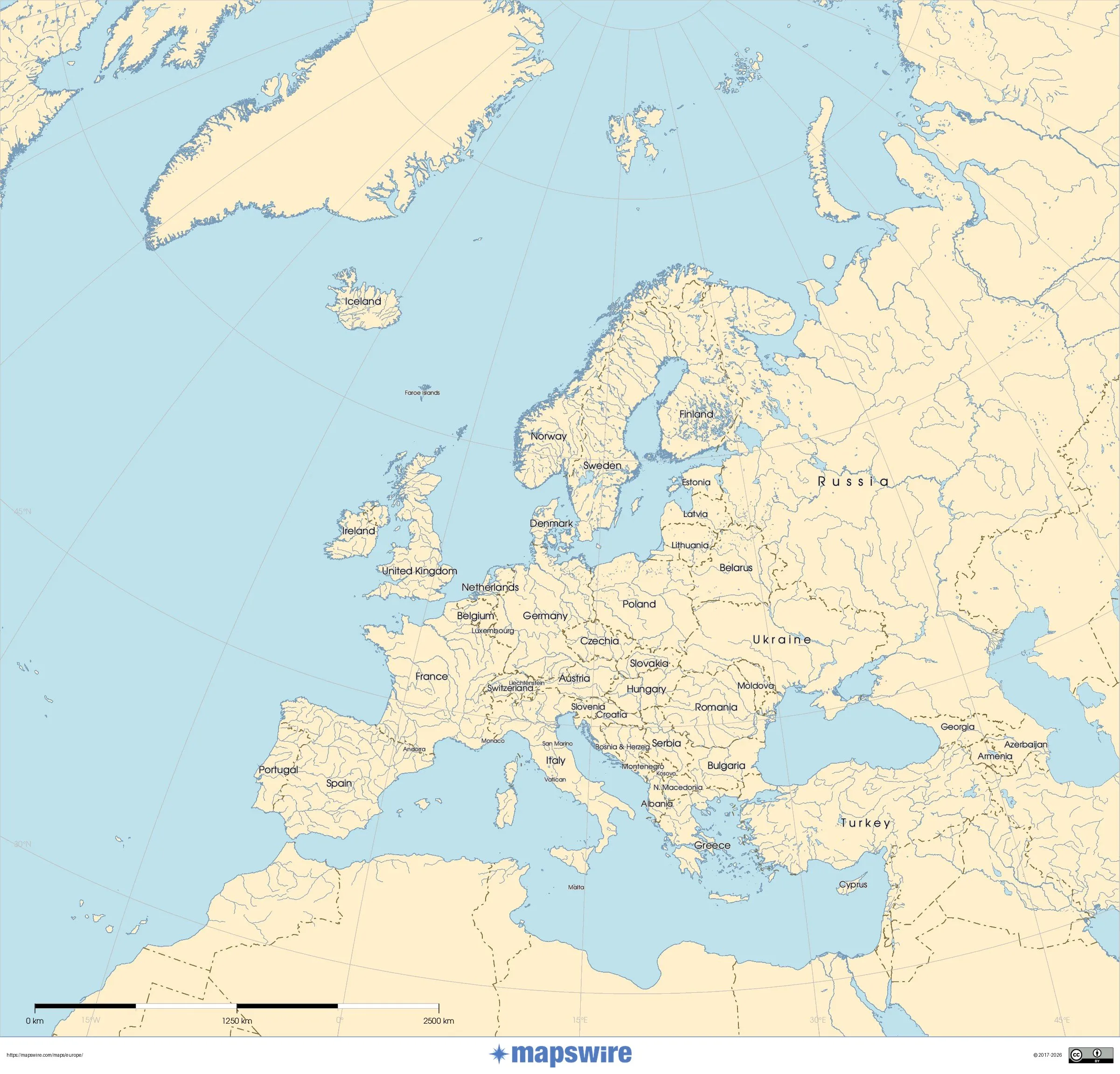
Europe
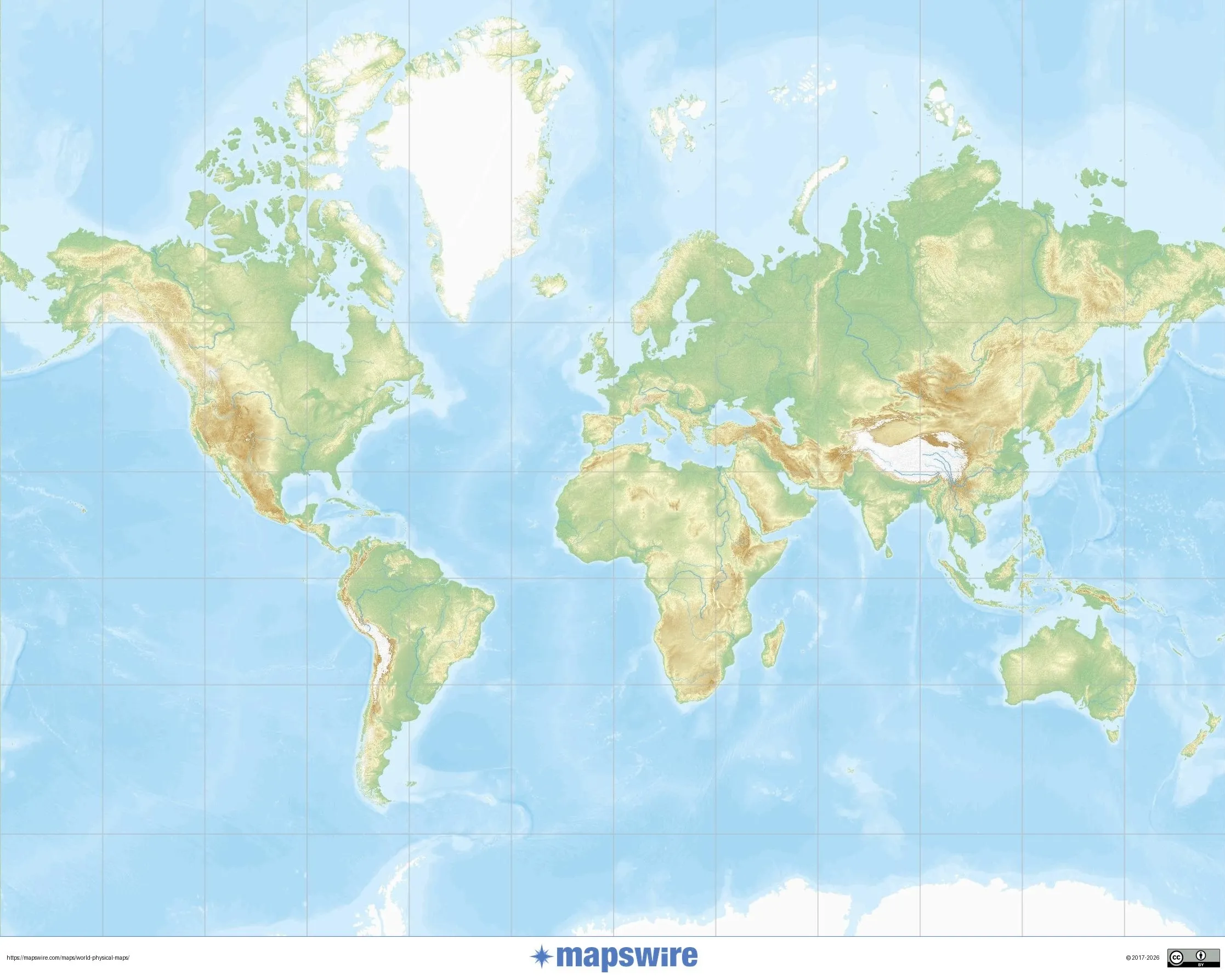
World
Related Links
| Group | List |
|---|---|
| Western Europe | British Politics French Politics Jewish relief Nuclear Science |
| Central Europe | Nazi Germany Weimar Republic German Anti-Nazis Warsaw Ghetto Arts & Music |
Comments