Key Asian Events in World Wars
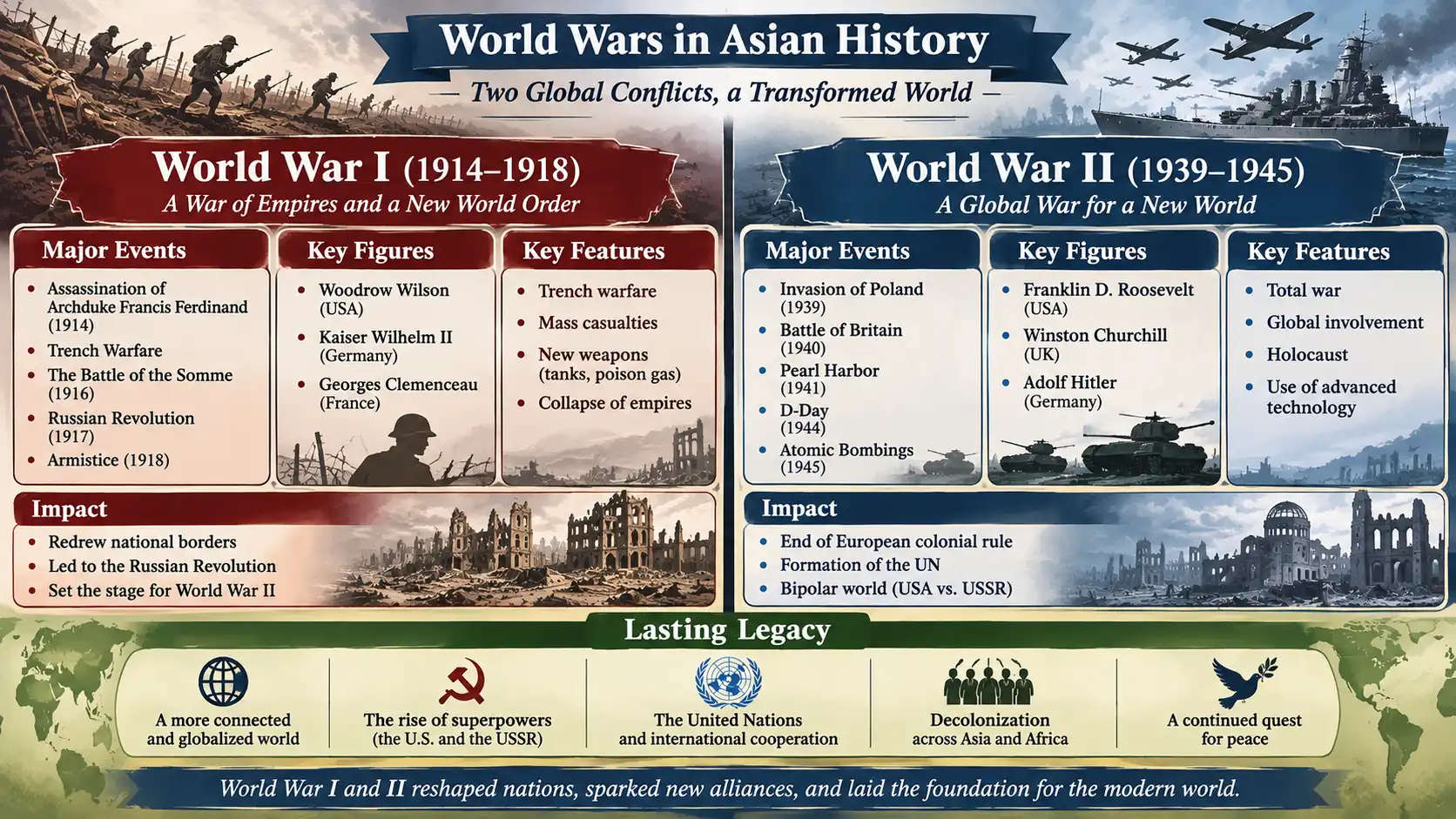
Major events
The World Wars witnessed pivotal Asian events that altered history. The 21 Demands and the Battle of Gallipoli reshaped regional dynamics, leading to the collapse of the Ottoman Empire. The conflict escalated from the Manchurian Incident to Pearl Harbor and Midway, paving the way for post-war independence.
Timeline
| Category | |
|---|---|
| Element |
Year
Age
| 1870 |
Activities as an Ottoman Official (Period: 1870s–1913)
|
|---|---|
| 1886 |
Transition to the Military School (Period: 1886–1893)
|
| 1890 |
Admission to the Kuleli Military High School (Ahmet Djemal, Period: 1890)
Admission to the Ottoman Military Academy (İsmail Enver, Period: 1890s)
Studying Islamic Theology at Al-Azhar University (Period: Late 1890s–Early 1900s)
Chemical Research and Acquisition of Doctorate (Chaim Weizmann, Period: 1890s–1900)
Joining the Zionist Movement (Period: 1890s–)
|
| 1891 |
Beginning of Employment at the Post and Telegraph Office (Period: 1891)
Beginning of Employment at the Edirne Post and Telegraph Office (Period: 1891)
|
| 1892 |
Admission to the Sivas Military Preparatory School (Mustafa İsmet, Period: 1892)
|
| 1893 |
Participation in and Arrest by the Young Turk Movement (Period: 1893–1898)
Admission to the Ottoman Military Academy (Mustafa Fevzi, Period: April 29, 1893)
|
| 1897 |
Transition to the Military School in Istanbul (Period: 1897–1903)
|
| 1898 |
Staff Duty in Salonica (Period: 1898–)
Study Abroad in Europe and Journalistic Activities (Period: c. 1898–1901)
Graduation from the Military Academy (Mustafa Fevzi, Period: December 25, 1898)
|
| 1899 |
Appointment as Chief of Staff of the 18th Regular Division (Mustafa Fevzi, Period: 1899)
|
| 1900 |
Studying Civil Engineering at Istanbul University (Period: Early 1900s–c. 1908)
Formation and Activities of the Zionist Youth Movement "Ezra" (Period: c. 1900–1904)
Joining and Leading Poale Zion (Period: 1900s–1910s)
Involvement with the Jewish Self-Defense Organization Hashomer (Period: Late 1900s–1910s)
|
| 1902 |
Graduation from the Ottoman Military Academy (İsmail Enver, Period: 1902–1903)
Promotion to Major (Mustafa Fevzi, Period: April 1902)
|
| 1903 |
Posting to Manastir (Period: January 1903)
Religious Education and Social Reform in Jableh (Izz ad-Din al-Qassam, Period: c. 1903–1919)
Controversy over the Uganda Scheme within the Zionist Movement (Period: 1903–1905)
Participation in the Sixth Zionist Congress (Period: 1903)
Formation of Jewish Self-Defense Organizations in Russia (Period: 1903 Onward)
Kishinev Pogrom (Period: April 1903)
|
| 1904 |
Emigration to Britain and Contact with Arthur Balfour (Chaim Weizmann, Period: 1904–1906)
|
| 1906 |
Participation in the Young Turk Movement (Period: 1906)
Establishment of the Committee of Ottoman Freedom (Period: 1906)
Emigration to Palestine (David Ben-Gurion, Period: 1906)
Emigration to the United States (Golda Meir, Period: 1906)
Emigration to Palestine with Family (Moshe Sharett, Period: 1906)
Participation in the Committee of Ottoman Freedom (Period: Around September 1906)
Founding of the Committee of Ottoman Freedom (Period: September 18, 1906)
Graduation from the Military Academy (Mustafa İsmet, Period: September 26, 1906)
|
| 1907 |
Participation in the Committee of Union and Progress (Period: 1907)
|
| 1908 |
Assumption of Office as Ottoman Parliament Member for Edirne (Mehmed Talat, Period: 1908)
Involvement in the Committee of Union and Progress after the Young Turk Revolution (Period: After 1908)
Participation in the Young Turk Revolution (Period: July 1908)
Election as Member of Parliament after the Young Turk Revolution (Mehmed Talat, Period: December 17, 1908)
|
| 1909 |
Visit to Bursa (Period: 1909)
Assumption of Office as Minister of the Interior (Mehmed Talat, Period: 1909)
Appointment as Military Attaché in Berlin (Period: March 5, 1909)
Appointment as Military Attaché in Berlin (İsmail Enver, Period: March 5, 1909)
Governance and Reconstruction following the Adana Massacre (Period: April 1909 – 1910)
Appointment as District Governor of Üsküdar (Period: After April 1909)
Participation in the Action Army (Period: April 1909)
31 March Incident (Period: April 13, 1909 (March 31 in the Ottoman calendar))
Accession of Mehmed V (Period: April 27, 1909)
Girding of the Sword of Osman (Period: May 10, 1909)
Oath of Accession in the Ottoman Parliament (Period: May 20, 1909)
Appointment as Governor of Adana (Period: August 1, 1909)
Appointment as Minister of the Interior (Mehmed Talat, Period: August 8, 1909)
|
| 1910 |
Visit to Edirne (Period: 1910)
Albanian Revolts (Period: 1910–1912)
Education and Youth in Jerusalem (Abd al-Qadir al-Husseini, Period: 1910s–1927)
Appointment as Staff Officer of the Yemen Expeditionary Force (Mustafa İsmet, Period: February 26, 1910)
|
| 1911 |
Albanian Malissori Revolt (Period: 1911)
Peace Negotiations with Imam Yahya in Yemen (Period: 1911–1913)
Support for the Libyan Resistance Movement (Period: 1911 Onward)
Engagement to Naciye Sultan (Period: May 15, 1911)
Tour of Rumelia (Period: June 5–26, 1911)
Appointment as Governor of Baghdad (Period: June 14, 1911)
Organization of the Resistance Movement in Tripolitania (Period: October 1911 – 1912)
|
| 1912 |
Assumption of Office as Secretary General of the Committee of Union and Progress (Mehmed Talat, Period: Around 1912)
Appointment as Chief of Staff of the Yemen Army Corps (Mustafa İsmet, Period: 1912)
Appointment as Commander of the Benghazi Sector (Period: January 24, 1912)
Appointment as Head of Operations Department of the Vardar Army (Mustafa Fevzi, Period: September 29, 1912)
|
| 1913 |
Appointment as Military Governor of Istanbul after the Bab-i Ali Raid (Ahmet Djemal, Period: January 1913–)
Graduation from Herzliya Hebrew Gymnasium (Moshe Sharett, Period: c. 1913)
Bab-i Ali Raid (Period: January 23, 1913)
Bab-i Ali Raid (Coup d'état, Period: January 23, 1913)
Execution of the Bab-i Ali Raid (Period: January 23, 1913)
Assassination of Mahmud Şevket Pasha (Period: June 11, 1913)
Reappointment as Minister of the Interior (Period: June 12, 1913)
Recapture of Edirne (Period: July 22, 1913)
Involvement in the Recapture of Edirne during the Second Balkan War (Period: July 22, 1913)
Appointment as Commander of the Ankara Reserve Division (Mustafa Fevzi, Period: August 2, 1913)
Participation in the Peace Conference after the Balkan Wars (Period: October 8–29, 1913)
Appointment as Commander of the 5th Corps (Mustafa Fevzi, Period: December 22, 1913)
|
| 1914 |
Persecution and Deportation of Pontic Greeks (Period: 1914–1923 approximately, particularly from the World War I period to the Turkish War of Independence)
Entry into World War I and Administration of the Wartime Government (Period: 1914–1918)
Service in the High Command during World War I (Period: 1914–1915)
Elected as Representative of Jerusalem to the Ottoman Parliament (Period: 1914–1918)
Appointment as Minister of War (İsmail Enver, Period: January 3, 1914)
Assumption of Office as Minister of War (İsmail Enver, Period: January 3, 1914)
Appointment as Minister of the Navy (Ahmet Djemal, Period: February 1914)
Marriage to Naciye Sultan (Period: March 5, 1914)
Conclusion of the Ottoman-German Alliance (Period: August 2, 1914)
Passage of the German Warships SMS Goeben and SMS Breslau through the Straits (Period: August 10, 1914)
Passage of the Goeben and Breslau through the Straits (Period: August 10, 1914)
Involvement in the Decision to Enter World War I (Period: October – November 1914)
Attack on Russian Black Sea Ports and Entry into World War I (Period: October 29, 1914)
Attack on the Russian Black Sea Coast and Entry into World War I (Period: October 29 – November 1914)
Appointment as Commander of the Fourth Army (Period: November – December 1914)
Entry into World War I and Declaration of Jihad (Period: November 11–14, 1914)
Command of the Sarikamish Operation (İsmail Enver, Period: December 22, 1914 – January 17, 1915)
|
| 1915 |
Armenian Genocide (Period: World War I period, centered around 1915–1917)
Assyrian Genocide (Seyfo, Period: 1915–1918)
Deportation, Forced Conversion, and Assimilation Policies against Armenians (Period: World War I period, centered around 1915–1917)
Suppression of Arab Nationalists (Period: 1915–1916)
Disarmament of Armenian Soldiers and Reassignment to Labor Battalions (Period: Around 1915)
Involvement in the Armenian Deportation Policy (Period: 1915–1917)
Appointment as Chief of Staff of the Second Army (Mustafa İsmet, Period: 1915)
Development of Acetone Production Method During World War I (Period: c. 1915–1918)
Expulsion by Ottoman Authorities (David Ben-Gurion, Period: 1915)
Zionist Activities in the United States and Recruitment for the Jewish Legion (Period: 1915–1918)
Support for the Creation of the Jewish Troop "Zion Mule Corps" (Period: 1915–1916)
Joining Poale Zion (Period: c. 1915)
Support for the Creation of the Zion Mule Corps (Period: 1915–1916)
First Suez Offensive (Period: January – February 1915)
Promotion to Major General (Mustafa Fevzi, Period: March 2, 1915)
Order for the Mass Arrest of Armenian Intellectuals and Leaders (Period: April 24, 1915)
Mass Arrest of Armenian Leaders (Period: April 24, 1915)
Implementation of the Armenian Deportation Policy (Period: May 1915 – 1916 onward)
Promulgation of the Temporary Law of Deportation (Tehcir Law, Period: May 27, 1915)
Execution of Arab Nationalists in Beirut (Period: August 21, 1915)
Appointment as Acting Commander of the Anafartalar Group (Mustafa Fevzi, Period: December 10, 1915)
|
| 1916 |
Deportation of Pontic Greeks (Period: 1916–1918)
Accession to the Crown Princedom (Mehmed Vahideddin Han bin Abdülmecid, Period: From February 1, 1916 onward)
Execution of Arab Nationalists in Damascus and Beirut (Period: May 6, 1916)
Arab Revolt (Period: June 1916 – 1918)
Second Suez Offensive (Period: July 1916)
Appointment as Commander of the 2nd Caucasus Corps (Mustafa Fevzi, Period: September 7, 1916)
|
| 1917 |
Treaty of Brest-Litovsk Negotiations (Period: Late 1917 – March 1918)
Establishment of the Jewish Legion (Period: 1917–1919)
Appointment as Commander of the Fourth Corps (Mustafa İsmet, Period: January 12, 1917)
Appointment as Grand Vizier (Mehmed Talat, Period: February 4, 1917)
Assumption of Office as Grand Vizier (Mehmed Talat, Period: February 4, 1917)
Deportation of the Jewish Residents of Jaffa (Period: March 1917)
Appointment as Commander of the 20th and 3rd Corps (Mustafa İsmet, Period: After June 1917)
Appointment as Commander of the Second Army (Mustafa Fevzi, Period: July 5, 1917)
Appointment as Commander of the Seventh Army (Mustafa Fevzi, Period: October 9, 1917)
Visit of German Emperor Wilhelm II to Istanbul (Period: October 15, 1917)
Realization of the Balfour Declaration (Period: November 2, 1917)
Resignation as Commander of the Fourth Army (Ahmet Djemal, Period: December 1917)
Marriage to Morris Meyerson (Period: December 24, 1917)
|
| 1918 |
Participation in the Treaty of Brest-Litovsk Negotiations (Period: January – March 1918)
Activities of the Karakol Society (Secret Resistance Organization, Period: Late 1918 – 1920)
Support for the Transfer of Weapons and Troops to Anatolia (Period: Late 1918 – March 1920)
Secret Activities Supporting the National Movement (Period: Late 1918 – 1919)
Appointment as Chairman of the Zionist Commission (Chaim Weizmann, Period: 1918)
Meeting with King Faisal (Period: 1918)
Activities in the Zionist Commission (Period: 1918–1919)
Appointment as Mayor of Jerusalem (Musa al-Husseini, Period: March 1918–April 1920)
Visit of Austro-Hungarian Emperor Charles I (Period: May 1918)
Death of Mehmed V and Accession of Successor (Period: July 3–4, 1918)
Accession as the 36th Ottoman Sultan (Period: July 4, 1918)
Promotion to Lieutenant General (Mustafa Fevzi, Period: July 28, 1918)
Resignation as Grand Vizier (Mehmed Talat, Period: October 8, 1918 (successor cabinet formed October 14))
Resignation as Minister of War and Flight Abroad (İsmail Enver, Period: October 14 – November 2, 1918)
Appointment as Undersecretary of the Ministry of War (Mustafa İsmet, Period: October 24, 1918)
Acceptance of the Armistice of Mudros (Period: October 30, 1918)
Armistice of Mudros (Period: October 30, 1918)
Exile to Germany (Mehmed Talat, Period: November 1–3, 1918)
Flight Abroad after World War I (Period: November 1–2, 1918)
Occupation of Istanbul (Period: November 13, 1918 – October 4, 1923 (formal military occupation began March 16, 1920))
Appointment as Ottoman Chief of General Staff (Mustafa Fevzi, Period: December 24, 1918)
|
| 1919 |
Trial in Absentia by the Ottoman Military Court (Period: 1919–1920)
Formation of Political Demands of the Palestinian National Movement (Period: 1919)
Armed Resistance to the French Mandate (Period: c. 1919–1920)
Founding of Ahdut HaAvoda (Period: 1919)
Conflict over the Greek Landing at İzmir (Period: May 12–14, 1919)
Dismissal as Chief of General Staff (Mustafa Fevzi, Period: May 14, 1919)
Landing at İzmir and Greek Occupation (Period: May 15, 1919)
Dispatch of Mustafa Kemal to Anatolia (Period: May 19, 1919)
Landing at Samsun and Beginning of the National Movement (Period: May 19, 1919)
Trial in Absentia and Death Sentence by the Ottoman Military Court (Period: June 1919)
Amasya Circular (Period: June 22, 1919)
Death Sentence by Military Court (Period: July 1919)
Death Sentence by the Ottoman Military Court (Period: Around July 1919)
Erzurum Congress (Period: July 23 – August 7, 1919)
Sivas Congress (Period: September 4–11, 1919)
Dispatch to Sivas (Period: November 13–26, 1919)
|
| 1920 |
Cooperation in the Modernization of the Afghan Army (Period: 1920–1922)
Activities as a Leader of the Palestinian National Movement (Period: 1920–1934)
Appointment as Mayor of Jerusalem (Raghib al-Nashashibi, Period: 1920–January 1935)
Activities as a Moderate Leader of the Palestinian National Movement (Period: 1920s–1930s)
Death Sentence by French Military Court on Al-Qassam (Period: Early 1920s)
Relocation to Haifa (Izz ad-Din al-Qassam, Period: Late 1920–c. 1921)
Appointment as Imam of the Istiqlal Mosque (Izz ad-Din al-Qassam, Period: 1920s)
Activities in the Haifa Branch of the Young Men's Muslim Association (Period: 1920s–1930s)
Appointment as President of the World Zionist Organization (Chaim Weizmann, Period: 1920–1931, 1935–1946)
Founding and Leadership of the Histadrut (Period: 1920–1935)
Policy Conflicts and Departure from the Zionist Movement (Period: 1920s–1935)
Activities in the Histadrut (Period: 1920s–1940s)
Study in London and Participation in Labor Zionism (Period: 1920–1924)
Relocation to Anatolia and Participation in the National Movement (Period: January – March 1920)
Appointment as Ottoman Minister of War (Mustafa Fevzi, Period: February 3 – April 8, 1920)
Escape from Istanbul to Ankara (Period: April – April 27, 1920)
Dismissal as Mayor and Appointment as Chairman of the Executive Committee of the Palestine Arab Congress (Musa al-Husseini, Period: April–December 1920)
1920 Jerusalem Riots and Jabotinsky's Trial (Period: April 1920)
1920 Nebi Musa Riots (Period: April 4–7, 1920)
Dissolution of the Istanbul Parliament (Period: April 11, 1920)
Establishment of the Grand National Assembly of Turkey (Period: April 23, 1920)
Opening of the Grand National Assembly of Turkey (Period: April 23, 1920)
Participation in the Grand National Assembly of Turkey (Period: After April 23, 1920)
Arrival in Ankara (Period: April 27, 1920)
Appointment as Chief of General Staff (Mustafa İsmet, Period: May 3, 1920)
Participation in the Government of the Grand National Assembly of Turkey (Period: May 3, 1920)
Appointment as Minister of National Defense and Chairman of the Executive Council of Ministers (Mustafa Fevzi, Period: May 3, 1920)
Negotiations with Soviet Leaders in Moscow (Period: August – September 1920)
Signing of the Treaty of Sèvres (Period: August 10, 1920)
Opposition to the Treaty of Sèvres (Period: After August 10, 1920)
Appointment as Commander of the Western Front (Mustafa İsmet, Period: November 8, 1920)
|
| 1921 |
Joining the Basmachi Forces and Anti-Bolshevik Struggle (Period: 1921–1922)
Dispatch of Diplomatic Delegations to Britain (Period: 1921–1930)
Emigration to Palestine and Settlement in Merhavia (Golda Meir, Period: 1921)
First Battle of İnönü (Period: January 6–11, 1921)
Victory in the First Battle of İnönü (Period: January 6–11, 1921)
Appointment as Chairman of the Government (Mustafa Fevzi, Period: January 24, 1921)
Assassination of Talat Pasha (Operation Nemesis, Period: March 15, 1921)
Assassination in Berlin (Period: March 15, 1921)
Assassination of Talat Pasha (Period: March 15, 1921)
Second Battle of İnönü (Period: March 23 – April 1, 1921)
Victory in the Second Battle of İnönü (Period: March 23 – April 1, 1921)
Appointment as Grand Mufti of Jerusalem (Amin al-Husseini, Period: May 8, 1921)
Plans to Return to Anatolia (İsmail Enver, Period: July – September 1921)
Appointment as Chief of General Staff (Mustafa Fevzi, Period: August 5, 1921)
Battle of Sakarya (Period: August 23 – September 13, 1921)
Relocation to Bukhara and Joining the Basmachi Forces (Period: October – November 1921)
Participation in and Leadership of the Basmachi Movement (Period: November 1921 – August 1922)
Unified Command of the Western Front Army (Mustafa İsmet, Period: November 10, 1921)
|
| 1922 |
Appointment as President of the Supreme Muslim Council (Amin al-Husseini, Period: January 9, 1922)
Unification and Leadership of the Basmachi Forces (Period: February – August 1922)
Assassination of Djemal Pasha (Operation Nemesis, Period: July 21, 1922)
Assassination in Tbilisi (Period: July 21, 1922)
Death in Action near Ab-i Darya (Period: August 4, 1922)
Death in Combat against the Red Army (Period: August 4, 1922)
Great Offensive and Recapture of İzmir (Period: August 26 – September 9, 1922)
Great Offensive and the Battle of Dumlupınar (Period: August 26–30, 1922)
Promotion to Marshal (Mustafa Fevzi, Period: August 31, 1922)
Armistice of Mudanya (Period: October 3–11, 1922)
Appointment as Minister of Foreign Affairs (Mustafa İsmet, Period: October 26, 1922)
Abolition of the Ottoman Sultanate (Period: November 1, 1922)
Abolition of the Sultanate (Period: November 1, 1922)
Lausanne Conference and Treaty of Lausanne (Period: November 1922 – July 24, 1923)
Departure from Istanbul on a British Warship (Period: November 17, 1922)
|
| 1923 |
Supervision of the Republican Army as Chief of General Staff (Period: 1923 – January 12, 1944)
Founding of the Betar Youth Movement (Period: 1923)
Conclusion of the Treaty of Lausanne (Period: July 24, 1923)
Establishment of the Republic of Turkey (Period: October 29, 1923)
Appointment as First Prime Minister of the Republic of Turkey (Mustafa İsmet, Period: October 30, 1923)
|
| 1924 |
Abolition of the Caliphate (Period: March 3, 1924)
|
| 1925 |
Establishment of the Revisionist Zionist Organization HaZohar (Period: 1925)
Establishment of the Revisionist Zionist Organization (Period: 1925)
Joining the Editorial Staff of the Newspaper 'Davar' (Period: 1925–1931)
Sheikh Said Rebellion (Period: February – April 1925)
Long-Term Rule as Prime Minister (Period: March 5, 1925 – October 25, 1937)
|
| 1926 |
Death in Sanremo, Italy (Period: May 16, 1926)
|
| 1927 |
Enrollment and Withdrawal from the American University in Cairo (Abd al-Qadir al-Husseini, Period: 1927–1932)
|
| 1928 |
Editing the Hebrew Newspaper 'Doar HaYom' (Period: 1928–1929)
|
| 1929 |
Denial of Re-entry to Palestine (Ze'ev Jabotinsky, Period: 1929)
Denial of Re-entry to Palestine (Vladimir Jabotinsky, Period: 1929)
1929 Buraq (Wailing Wall) Riots (Period: August 1929)
|
| 1930 |
Organization of the Black Hand (Period: 1930–1935)
Formation of Mapai and Taking Office as Party Leader (David Ben-Gurion, Period: 1930)
Menemen Incident (Period: December 23, 1930)
|
| 1932 |
Organizational and Fundraising Activities in the United States (Period: 1932–1934)
|
| 1933 |
Joining the Palestine Arab Party (Period: 1933–1935)
Founding of the Holy War Organization (Period: 1933–1936)
Appointment as Head of the Political Department of the Jewish Agency (Moshe Sharett, Period: 1933)
Assassination of Chaim Arlosoroff (Period: June 16, 1933)
1933 Jaffa Anti-British Demonstration (Period: October 27, 1933)
|
| 1934 |
Conferral of the Surname İnönü (Period: 1934)
1934 Jerusalem Mayoral Election and Mayor Replacement (Period: 1934–January 1935)
Establishment of the Daniel Sieff Research Institute (Period: 1934)
Death and Funeral (Period: March 26–27, 1934)
Founding of the National Defence Party (Period: December 2, 1934)
|
| 1935 |
Taking Office as Chairman of the Jewish Agency Executive (David Ben-Gurion, Period: 1935–1948)
Establishment of the New Zionist Organization (Period: 1935)
1935 Killing of a British Police Officer (Period: November 1935)
Declaration of Armed Struggle (Period: November 12, 1935)
Battle near Ya'bad and the Death of Al-Qassam (Period: November 20, 1935)
Funeral and Impact on the National Movement (Period: November 21, 1935)
|
| 1936 |
Appointment as Chairman of the Arab Higher Committee (Amin al-Husseini, Period: April 1936)
Participation in the Arab Higher Committee (Period: April 1936–July 1937)
Battle of Al-Khader (Period: October 1936)
|
| 1937 |
Withdrawal from the Arab Higher Committee (Period: July 4, 1937)
Dissolution of the Arab Higher Committee and El-Husseini's Exile in 1937 (Period: September–October 1937)
|
| 1938 |
1938 Battle of Bani Na'im (Period: October 1938)
Assumption of Office as Second President (Mustafa İsmet, Period: November 11, 1938)
|
| 1939 |
Neutrality Policy during World War II (Period: 1939–1945)
Neutral Neutrality Diplomacy during World War II (Period: 1939–1945)
Avoidance of Entry into World War II (Period: 1939–1945)
Military Training and Commissioning as an Officer in Iraq (Period: 1939–1940)
Campaign for the Creation of a Jewish Army During World War II (Period: 1939–1940)
Participation in the London Conference (Period: February–March 1939)
Publication of the 1939 British White Paper (Period: May 1939)
|
| 1941 |
The Holocaust and the Issue of El-Husseini's Collaboration (Period: 1941–1945)
Exile to Nazi Germany and Collaboration (Amin al-Husseini, Period: 1941–1945)
Assassination of Fakhri al-Nashashibi (Period: 1941)
1941 Anti-British Coup in Iraq (Period: April 1–June 2, 1941)
1941 Anti-British Revolt in Iraq (Period: April 1–July 1941)
Farhud (Baghdad Anti-Jewish Riots, Period: June 1–2, 1941)
Meeting with Adolf Hitler (Period: November 28, 1941)
|
| 1942 |
Rescue and Transport Issue of the Tehran Children (Period: 1942–1943)
|
| 1943 |
Recruitment of Muslim Soldiers for the Waffen-SS (Period: 1943–1944)
Stay and Military Training in Saudi Arabia (Period: 1943–1945)
Transfer of Remains to Turkey and Reburial (Period: February 1943)
Transfer of Remains to Istanbul and State Funeral (Period: February 25, 1943)
|
| 1944 |
Promoting the Establishment of the Jewish Brigade (Period: 1944–1945)
Retirement and Resignation from the Post of Chief of General Staff (Period: January 12, 1944)
|
| 1945 |
Transition to a Multi-Party System and the 1950 General Election (Period: 1945 – May 14, 1950)
Escape from Custody of French Authorities (Period: 1945–May 29, 1946)
|
| 1946 |
Relocation to Egypt and Arms Procurement (Abd al-Qadir al-Husseini, Period: 1946–1947)
Appointment as Head of the Political Department of the Jewish Agency (Golda Meir, Period: 1946–1948)
Operation Agatha (Mass Arrest of Jewish Agency Leaders, Period: June 29, 1946)
Candidacy and Election from the Democratic Party (Period: July 21, 1946)
Support for the Democratic Party and Election as Member of Parliament (Period: July 21, 1946)
|
| 1947 |
Dispatch of Delegation to the United Nations Special Committee on Palestine (Period: 1947)
Diplomatic Activities for the UN Palestine Partition Plan (Period: 1947)
Defection from the Democratic Party (Period: July 12, 1947)
Appointment as Commander of the Army of the Holy War (Abd al-Qadir al-Husseini, Period: December 1947)
|
| 1948 |
Taking Office as Israel's First Prime Minister and Defense Minister (David Ben-Gurion, Period: 1948–1953, 1955–1963)
Request for Arms Assistance to the Military Committee of the Arab League (Period: End of March 1948)
Battle of Al-Qastal and the Death in Action of Abd al-Qadir (Period: April 2–9, 1948 (Abd al-Qadir killed in action on April 8))
Death in Action and Funeral (Period: April 8–9, 1948)
Establishment of the Israel Defense Forces (Period: May–June 1948)
Israeli Declaration of Independence (Period: May 14, 1948)
Signing of the Israeli Declaration of Independence (Period: May 14, 1948)
Altalena Affair (Period: June 1948)
Establishment of the Nation Party (Period: July 20, 1948)
Assumption of Office as Honorary Leader of the Nation Party (Mustafa Fevzi, Period: July 20, 1948)
Establishment of the All-Palestine Government (Period: September 22, 1948)
|
| 1949 |
Appointment as Cabinet Minister in the Jordanian Government and Governor-General of the West Bank (Raghib al-Nashashibi, Period: 1949–1951)
Appointment as Minister of Labor and Immigration Policy (Golda Meir, Period: 1949–1956)
Taking Office as the First President of Israel (Chaim Weizmann, Period: February 1949)
Israel's Admission to the United Nations (Period: May 11, 1949)
|
| 1950 |
Opposition Activities as Leader of the Republican People's Party (Period: 1950–1972)
Death of Fevzi Çakmak and Large-Scale Funeral (Period: April 10–12, 1950)
Death and Burial at Eyüp Cemetery (Period: April 10–12, 1950)
Defeat in the 1950 General Election and Transfer of Power (Period: May 14, 1950)
|
| 1951 |
Death (Period: April 1951)
|
| 1953 |
Relocation to and Development of the Negev Region (David Ben-Gurion, Period: 1953 Onward)
|
| 1954 |
Taking Office as the 2nd Prime Minister of Israel (Moshe Sharett, Period: January 1954–November 1955)
|
| 1955 |
Lavon Affair (Period: Occurred in 1954, politicized from 1955 onward)
|
| 1956 |
Appointment as Foreign Minister and Building Relations with African Nations (Golda Meir, Period: 1956–1965)
Resignation as Foreign Minister and Withdrawal from Frontline Politics (Moshe Sharett, Period: June 1956)
|
| 1960 |
May 27, 1960 Military Coup (Period: May 27, 1960)
|
| 1961 |
Appointment as Prime Minister of a Coalition Government (Mustafa İsmet, Period: November 20, 1961 – February 1965)
|
| 1964 |
Establishment of the Palestine Liberation Organization (PLO) and Decline of Political Influence (Period: 1964 Onward)
Death and Reburial of Remains in Jerusalem (Period: August 3, 1940 (Reburied in 1964))
|
| 1965 |
Formation of the Labor Party and Appointment as Party Secretary-General (Golda Meir, Period: 1965–1968)
|
| 1969 |
Taking Office as Prime Minister of Israel (Golda Meir, Period: March 1969–April 1974)
|
| 1970 |
Retirement from Politics (David Ben-Gurion, Period: 1970)
|
| 1971 |
Protests by the Black Panther Movement (Period: 1971 Onward)
|
| 1972 |
Resignation as Leader of the Republican People's Party (Mustafa İsmet, Period: May 1972)
Munich Massacre (Period: September 5, 1972)
|
| 1973 |
Debate on Government Responsibility for the Yom Kippur War (Period: October 1973–1974)
Death and Burial at Anıtkabir (Period: December 25, 1973)
|
| 1974 |
Resignation as Prime Minister and Retirement from Politics (Golda Meir, Period: April–June 1974)
|
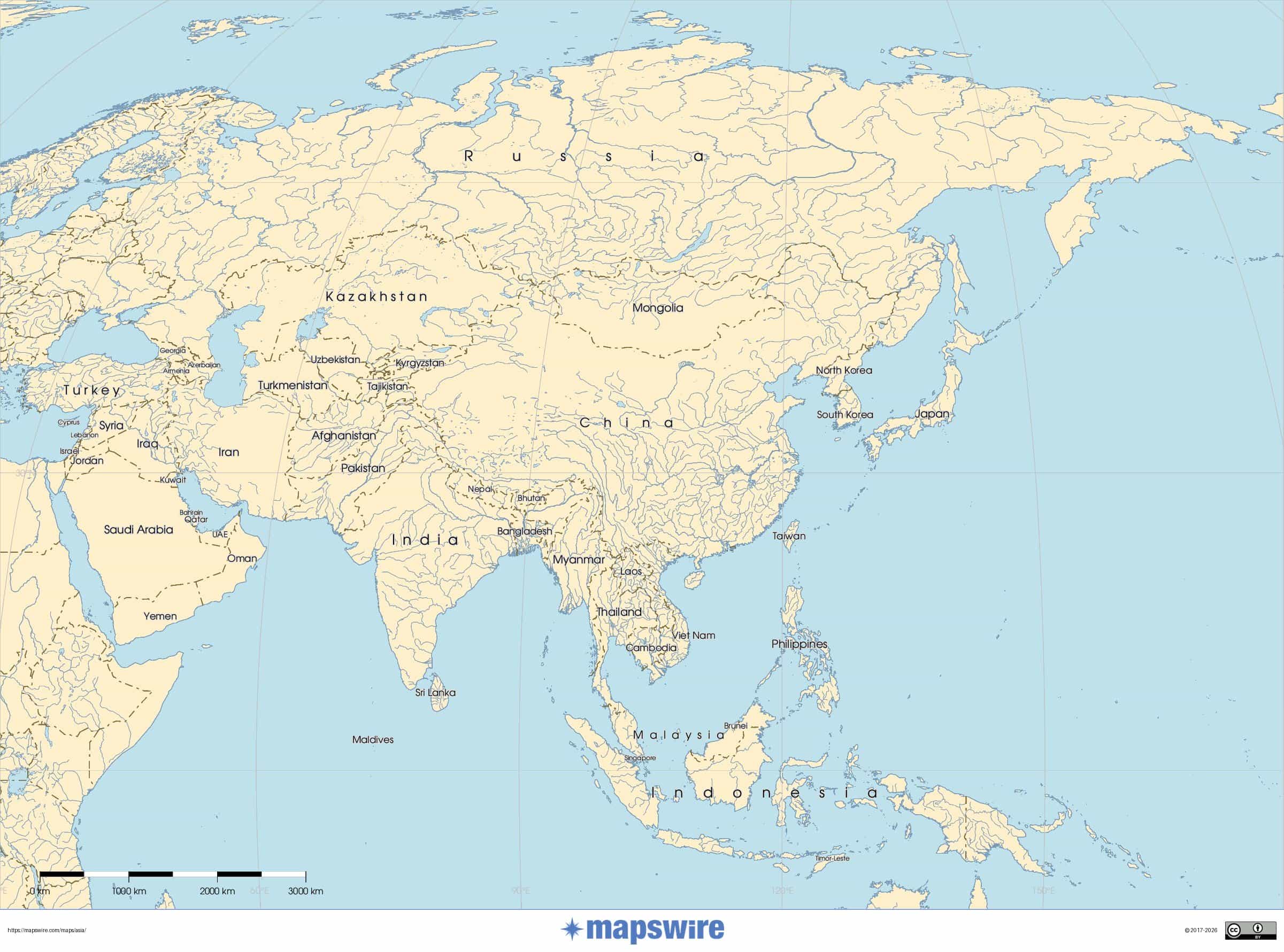
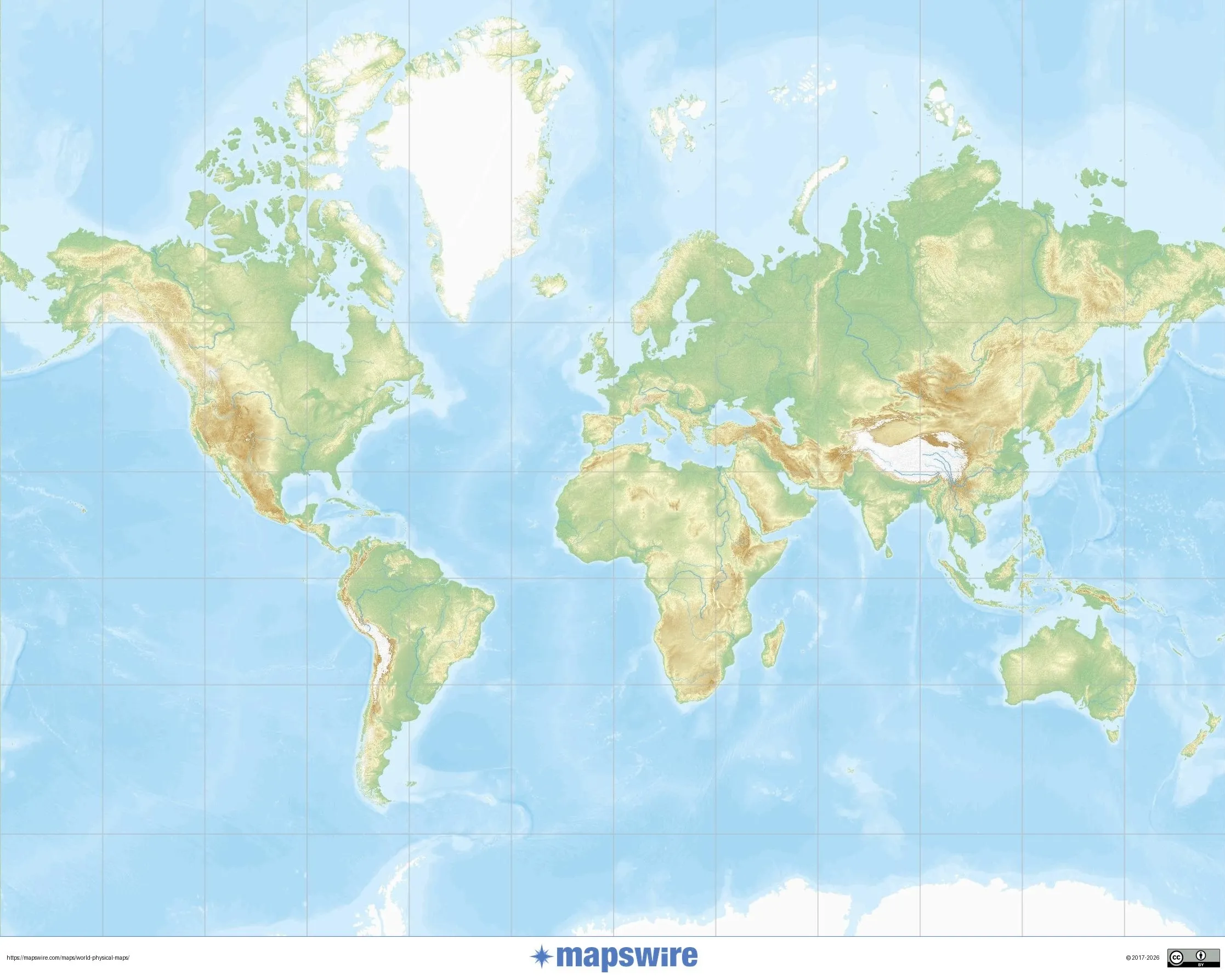
Map
| Category | |
|---|---|
| Element |
Asia
World
Related Links
| Group | List |
|---|---|
| Major wars | World War I World War II |
| Major events |
Comments