Causes and Course of Sino-Japanese War
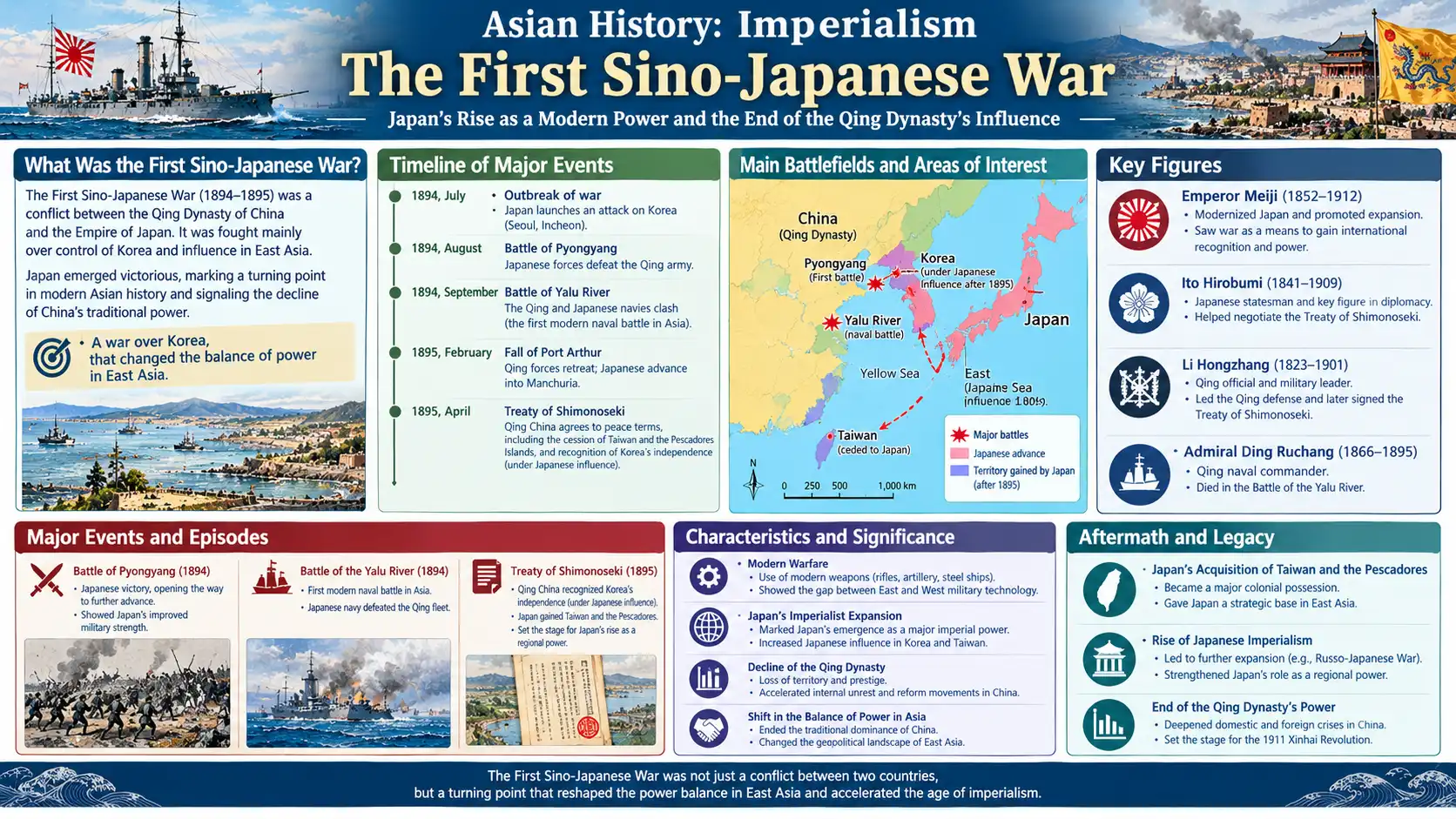
First Sino-Japanese War
Fought between 1894 and 1895, the First Sino-Japanese War arose from rivalries over control and influence in Korea. Japan's modernized military decisively defeated Qing China's forces on land and at sea, culminating in the Treaty of Shimonoseki. This conflict marked a major turning point in Asian history, demonstrating Japan's rise as an imperial power while exposing the profound weakness of the Qing dynasty.
People
Birth
Death
Origin
Age (Death)
| 1837 | |
|---|---|
| 1838 | |
| 1842 | |
| 1843 | |
| 1848 | |
| 1848 | |
| 1849 | |
| 1852 | |
| 1852 | |
| 1852 | |
| 1855 |
Timeline
| Category | |
|---|---|
| Element |
| Year | First Sino-Japanese War |
|---|---|
| 1837 |
Birth of Kabayama Sukenori (Period: December 9, 1837 (Tempo 8, November 12), Location: Takamibaba, Kagoshima City, Kagoshima Prefecture, Japan (formerly Kagoshima Castle Town, Satsuma Province))
|
| 1838 |
Birth of Yamagata Aritomo (Period: June 14, 1838 (Tensho 9, Leap April 22), Location: Kawashima, Hagi City, Yamaguchi Prefecture)
|
| 1842 |
Birth of Oyama Iwao (Period: November 12, 1842, Location: Kajiya-cho, Kagoshima City, Kagoshima Prefecture, Japan (formerly Kagoshima Castle Town, Satsuma Province))
|
| 1843 |
Birth of Ito Sukeyuki (Period: June 9, 1843 (Tempo 14, May 12). Note that different sources, such as English Wikipedia, record it as May 20, 1843., Location: Kagoshima City, Kagoshima Prefecture, Japan (formerly Kagoshima Castle Town, Satsuma Province).)
|
| 1848 |
Birth of Katsura Taro (Period: January 4, 1848 (Kouka 4, November 28)., Location: Hagi City, Yamaguchi Prefecture (formerly Haginoshita-Hiranakamachi, Nagato Province).)
Birth of Togo Heihachiro (Period: January 27, 1848 (Kouka 4, December 22), Location: Kajiya-cho, Kagoshima City, Kagoshima Prefecture)
|
| 1849 |
Birth of Nogi Maresuke (Period: December 25, 1849 (Kaei 2, November 11), Location: Minato-ku, Tokyo, Japan (formerly Chofu Domain residence in Azabu, Edo))
|
| 1852 |
Birth of Terauchi Masatake (Period: March 25, 1852 (Kaei 2, Leap February 5)., Location: Hirai, Yamaguchi City, Yamaguchi Prefecture (formerly Hirai Village, Yoshiki District, Suo Province).)
Birth of Kodama Gentaro (Period: April 14, 1852 (Kaei 5, Leap February 25), Location: Kodamacho, Shunan City, Yamaguchi Prefecture, Japan (formerly Tokuyama Village, Tono District, Suo Province))
Birth of Emperor Meiji (Period: November 3, 1852 (Kaei 9, September 22)., Location: Kyoto City, Kyoto Prefecture (Kyoto Imperial Palace).)
|
| 1855 |
Birth of Komura Jutaro (Period: October 26, 1855 (Ansei 2, September 16)., Location: Nichinan City, Miyazaki Prefecture (formerly Obi Domain, Hyuga Province).)
|
| 1858 |
Enrollment in Shokasonjuku
|
| 1860 |
Gunnery Research in Satsuma Domain and Development of the Yasuke Cannon
Learning Navigation at the Kobe Naval Training Center (Sukeyuki Ito)
|
| 1861 |
Studying at the Shintokudo Domain School of Obi Domain
|
| 1862 |
Teradaya Incident
Namamugi Incident
|
| 1863 |
Appointment as Military Inspector of the Kiheitai (Aritomo Yamagata)
Adoption into the Kabayama Family
Satsuma-British War
|
| 1864 |
Studying under Fuminojin Tamaki
Participation in Various Choshu Domain Regiments
Shimonoseki Campaign
Tokuyama Seven Martyrs Incident
|
| 1865 |
Succession to Family Headship and Coming-of-Age Ceremony in Tokuyama Domain
|
| 1866 |
Enlistment in the Satsuma Domain Navy
Second Choshu Expedition
|
| 1867 |
Edict of the Restoration of Imperial Rule
|
| 1868 |
Boshin War
Marriage (Aritomo Yamagata, Tomoko Yamagata)
Burning of the Satsuma Domain Residence in Edo
Service in the Boshin War
Renaming of Edo to Tokyo and Transfer of the Capital to Tokyo
Five Charter Oath
Accession to the Throne
|
| 1869 |
Inspection Tour of Europe
Military Education at Osaka Heigakuryo (Gentaro Kodama)
Military Education at Osaka Heigakuryo (Masatake Terauchi)
Marriage (Emperor Meiji, Asako Ichijo [Haruko Ichijo], Later Empress Shoken)
|
| 1870 |
Study in France and Inspection of the Franco-Prussian War
Enlistment in the Meiji Government Navy (Sukeyuki Ito)
Advancement to Daigaku Nanko
Study in Germany
|
| 1871 |
Enlistment in the Imperial Japanese Army of the New Meiji Government (Maresuke Nogi)
Service in the Army
Commissioning as Army Second Lieutenant
Return of Land and People to the Crown (Hanseki Hokan) and Abolition of the Han System (Haihan Chiken)
Mudan Incident
|
| 1873 |
Enactment of the Conscription Law
Political Crisis of 1873 and Conflict over Seikanron
Political Crisis of 1873 (Seikanron Crisis)
|
| 1874 |
Saga Rebellion
Participation in the Taiwan Expedition
Taiwan Expedition
Marriage (Gentaro Kodama, Matsuko Kodama)
|
| 1875 |
Appointment as Acting Commander of the 14th Infantry Regiment (Maresuke Nogi)
Study at Harvard University
Ganghwa Island Incident
|
| 1876 |
Emperor Meiji's Imperial Tours Across Japan
Shimpuren Rebellion
Appointment as Chief of Staff of the Kumamoto Garrison (Sukinori Kabayama)
|
| 1877 |
Wounding in the Satsuma Rebellion
Satsuma Rebellion
Command of the Siege of Kumamoto Castle (Sukinori Kabayama)
Loss of the Regimental Colors in the Satsuma Rebellion
|
| 1878 |
Establishment of the Army General Staff Office and Appointment as the First Chief of General Staff (Aritomo Yamagata)
Marriage (Heihachiro Togo, Tetsu Togo)
Marriage (Maresuke Nogi, Shizuko Nogi)
Appointment as Chief of Staff of the Imperial Guard (Sukinori Kabayama)
|
| 1880 |
Appointment as Minister of the Army (Iwao Oyama)
Employment at the Ministry of Justice and Appointment as a Judge (Jutaro Komura)
Involvement in Army Systems and Military Reform
|
| 1881 |
Appointment as Superintendent General of the Metropolitan Police Department (Sukinori Kabayama)
Marriage to Machi Asahina
Marriage (Jutaro Komura, Machi Asahina)
Political Crisis of 1881
|
| 1882 |
Involvement in the Enactment of the Imperial Rescript to Soldiers and Sailors
Study in France
|
| 1883 |
Appointment as Home Minister and Organization of the Local System (Aritomo Yamagata)
Marriage (Iwao Oyama, Sutematsu Oyama)
Transfer to the Navy
|
| 1884 |
Career Change to the Ministry of Foreign Affairs
|
| 1885 |
Management of Yokosuka Naval Arsenal
Appointment as the First Minister of War (Iwao Oyama)
|
| 1886 |
Study in Germany and Research on Military Tactics
Appointment as Vice Minister of the Navy (Sukinori Kabayama)
|
| 1887 |
Appointment as President of the Army War College (Gentaro Kodama)
Appointment as Commandant of the Imperial Japanese Army Academy (Masatake Terauchi)
Inspection Tour of Europe and America
Enactment of the Peace Preservation Law and Suppression of the Freedom and People's Rights Movement
|
| 1888 |
Appointment as Director of the Translation Bureau of the Ministry of Foreign Affairs (Jutaro Komura)
|
| 1889 |
Promulgation of the Constitution of the Empire of Japan
Formation of the First Yamagata Cabinet
|
| 1890 |
Appointment as Minister of the Navy in the First Yamagata Cabinet (Sukinori Kabayama)
Promulgation of the Imperial Rescript on Education (Emperor Meiji)
Opening of the Imperial Diet
|
| 1891 |
Promotion to General of the Army (Iwao Oyama)
Marriage (Taro Katsura, Kanako Katsura [Kaneko Katsura])
Appointment as Chief of Staff of the 1st Division (Masatake Terauchi)
Otsu Incident
Reckless Speech
Reckless Speech and Political Controversy
|
| 1892 |
Appointment as Vice Minister of War and Director-General of the Military Affairs Bureau of the Ministry of War (Gentaro Kodama)
Appointment as Director of the First Bureau of the Army General Staff (Masatake Terauchi)
|
| 1893 |
Marriage (Aritomo Yamagata, Sadako Yoshida)
Assignment to the Legation in Qing China
Appointment as Commander-in-Chief of the Standing Fleet (Sukeyuki Ito)
|
| 1894 |
Activities as Imperial General Headquarters Staff in the First Sino-Japanese War
Appointment as Director-General of the Political Affairs Bureau During the First Sino-Japanese War (Jutaro Komura)
Transport and Communications Operations in the First Sino-Japanese War
Establishment of Imperial General Headquarters in Hiroshima During the First Sino-Japanese War
Donghak Peasant Revolution (Gabo Peasant War)
Appointment as Chief of the Naval General Staff (Sukinori Kabayama)
Command of the Combined Fleet in the Battle of the Yalu River (Sukeyuki Ito)
Naval Operational Leadership in the Battle of the Yalu River
Capture of Port Arthur in the First Sino-Japanese War
|
| 1895 |
Quarantine Operation for Returning Soldiers After the First Sino-Japanese War
Armed Resistance and Suppression in Early Taiwanese Governance
Appointment as Minister Plenipotentiary to Korea (Jutaro Komura)
Battle of Weihaiwei and Surrender of the Qing Fleet
Signing of the Treaty of Shimonoseki
Promotion to Admiral (Sukinori Kabayama)
Appointment as the First Governor-General of Taiwan (Sukinori Kabayama)
Appointment as Chief of the Naval General Staff (Sukeyuki Ito)
Elevation to Count
Assassination of Empress Myeongseong (Eulmi Incident)
|
| 1896 |
Policy Difficulties Regarding the Administration of Taiwan
Appointment as the 3rd Governor-General of Taiwan (Maresuke Nogi)
Appointment as Vice Minister for Foreign Affairs (Jutaro Komura)
Signing of the Komura-Weber Memorandum
Signing of the Yamagata–Lobanov Agreement
Appointment as the 2nd Governor-General of Taiwan (Taro Katsura)
Appointment as Home Minister in the Second Matsukata Cabinet (Sukinori Kabayama)
|
| 1898 |
Appointment as Field Marshal
Appointment as Minister to the United States (Jutaro Komura)
Appointment as Minister of War (Taro Katsura)
Appointment as Inspector General of Military Training (Masatake Terauchi)
Appointment as the 4th Governor-General of Taiwan (Gentaro Kodama)
Elevation to Viscount
Appointment as Minister of Education in the Second Yamagata Cabinet (Sukinori Kabayama)
Formation of the Second Yamagata Cabinet
|
| 1899 |
Appointment as Chief of the General Staff (Iwao Oyama)
Boxer Rebellion
Boxer Rebellion / Boxer Uprising
|
| 1900 |
Establishment of Political Influence as a Genro
Appointment as Minister to Russia and Qing China (Jutaro Komura)
Response to the Boxer Rebellion
Appointment as Minister of War in the Fourth Ito Cabinet (Gentaro Kodama)
|
| 1901 |
Formation of the First Katsura Cabinet and Signing of the Anglo-Japanese Alliance
Signing of the Boxer Protocol
Appointment as Minister for Foreign Affairs in the First Katsura Cabinet (Jutaro Komura)
|
| 1902 |
Signing of the Anglo-Japanese Alliance
Appointment as Minister of War in the First Katsura Cabinet (Masatake Terauchi)
|
| 1903 |
Establishment of the Kodama Library
Diplomacy Leading to the Outbreak of the Russo-Japanese War
Concurrent Service as Home Minister and Minister of Education in the First Katsura Cabinet
|
| 1904 |
Appointment as Commander-in-Chief of the Manchurian Army (Iwao Oyama)
Promotion to General of the Army (Maresuke Nogi)
Execution of the Russo-Japanese War and Treaty of Portsmouth
Army Administration and Arms Control in the Russo-Japanese War
Russo-Japanese War and the Treaty of Portsmouth
Russo-Japanese War
Capture of Port Arthur Fortress and Surrender of the Russian Forces
Appointment as Chief of General Staff of the Manchurian Army (Gentaro Kodama)
Capture of 203 Meter Hill
|
| 1905 |
Battle of Mukden in the Russo-Japanese War
Tactical Direction in the Battle of Mukden
Portsmouth Peace Conference and Treaty of Portsmouth
Hibiya Incendiary Incident
|
| 1906 |
Resignation as Foreign Minister and Appointment as Ambassador to Great Britain (Jutaro Komura)
Formation of the Katsura-Saionji Era
Promotion to General of the Army (Masatake Terauchi)
Retention as Minister of War in the First Saionji Cabinet
Appointment as Chief of the Army General Staff (Gentaro Kodama)
Appointment as Chairman of the Organizing Committee for the South Manchuria Railway Company
Death of Kodama Gentaro
Death and Posthumous Elevation to Count
|
| 1907 |
Elevation to Duke
Appointment as President of Gakushuin (Maresuke Nogi)
Elevation to Count
|
| 1908 |
Formation of the Second Katsura Cabinet and Annexation of Korea
Retention as Minister of War in the Second Katsura Cabinet
Reappointment as Minister for Foreign Affairs in the Second Katsura Cabinet
Signing of the Root-Takahira Agreement
|
| 1910 |
High Treason Incident (Kotoku Incident)
Appointment as Resident-General of Korea (Masatake Terauchi)
Signing of the Second Russo-Japanese Convention
Signing of the Japan-Korea Annexation Treaty
Annexation of Korea
Appointment as First Governor-General of Korea (Masatake Terauchi)
|
| 1911 |
Recovery of Tariff Autonomy
Elevation to Marquess and Resignation as Foreign Minister (Jutaro Komura)
Death of Komura Jutaro
Death
|
| 1912 |
First Movement for Constitutional Government and Taisho Political Crisis
Appointment as Lord Keeper of the Privy Seal and Grand Chamberlain (Taro Katsura)
Formation of the Third Katsura Cabinet and Formation of the Rikken Doshikai
Death of Emperor Meiji
Demise of Emperor Meiji and End of the Meiji Era
Death of Nogi Maresuke
Demise of Emperor Meiji and Nogi's Suicide
Ritual Suicide on the Day of Emperor Meiji's Funeral
Two-Division Expansion Problem
|
| 1913 |
Appointment as President of the Educational Investigation Bureau (Sukinori Kabayama)
Death of Katsura Taro
|
| 1914 |
Appointment as Lord Keeper of the Privy Seal (Iwao Oyama)
Death of Ito Sukeyuki
Death and Burial
|
| 1916 |
Appointment as the 18th Prime Minister of Japan (Masatake Terauchi)
Resignation as Governor-General of Korea
Death of Oyama Iwao
|
| 1918 |
Siberian Intervention
Decision and Execution of the Siberian Intervention
Rice Riots of 1918
Cabinet Resignation Due to the Rice Riots
|
| 1919 |
March 1st Movement
Death of Terauchi Masatake
|
| 1920 |
Court Incident of 1921
|
| 1922 |
Death of Yamagata Aritomo
Death of Kabayama Sukenori
State Funeral
|
| 1934 |
Death of Togo Heihachiro
|
| Unknown |
Marriage (Sukinori Kabayama, Tomo Kabayama, Period: Exact Date Cannot Be Confirmed, Location: Presumed Around Kagoshima City, Kagoshima Prefecture, Japan; Exact Venue Unknown)
Marriage (Iwao Oyama, Sawa [First Marriage], Period: Said to Be Early Meiji Period, Exact Date Unknown, Location: Details Unknown)
Marriage (Sukeyuki Ito, Unidentifiable from Reliable Sources, Period: Unknown, Location: Unknown)
Marriage (Masatake Terauchi, Unidentifiable from Major Historical Records, Period: Unknown, Location: Unknown)
|
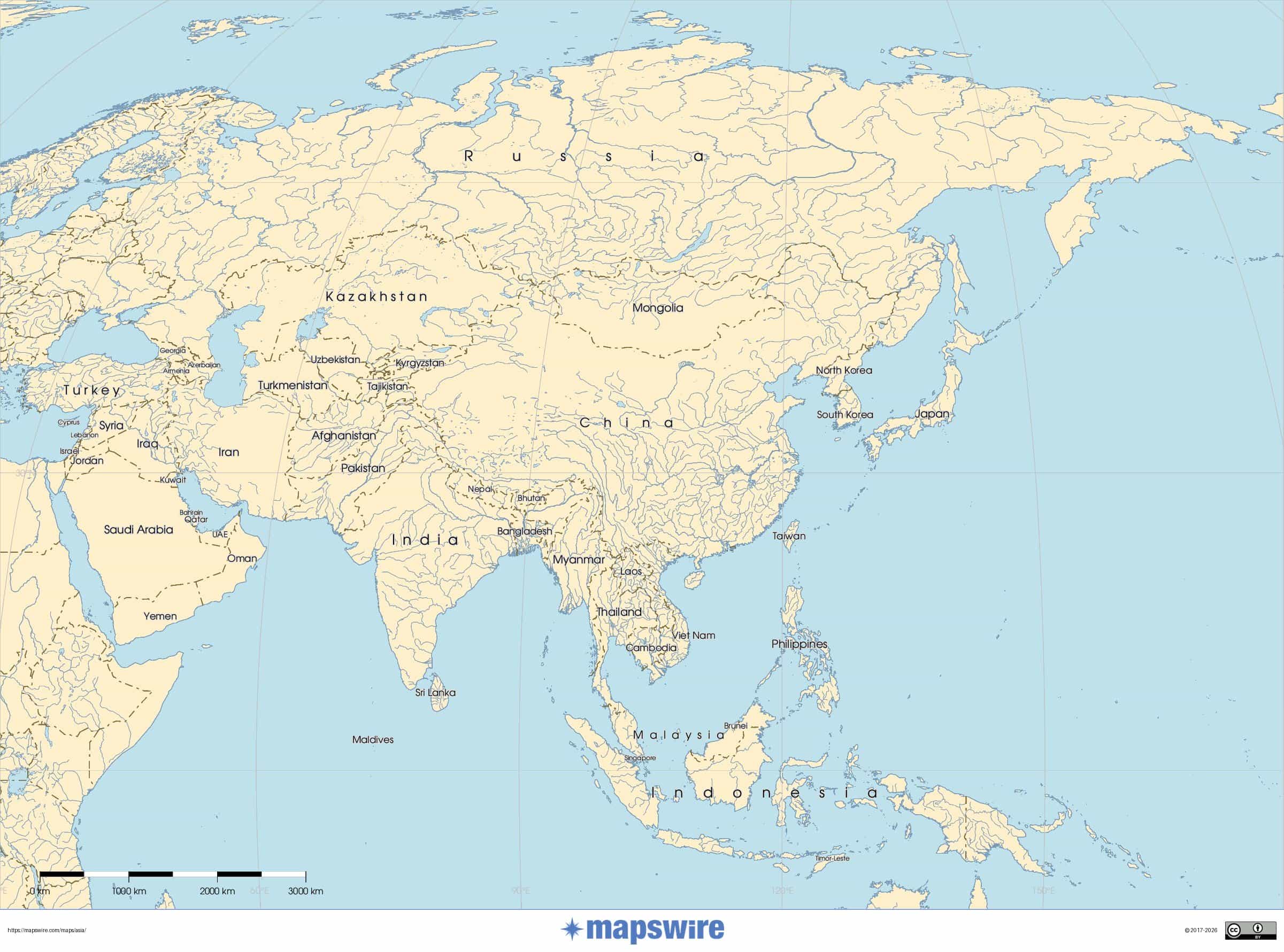
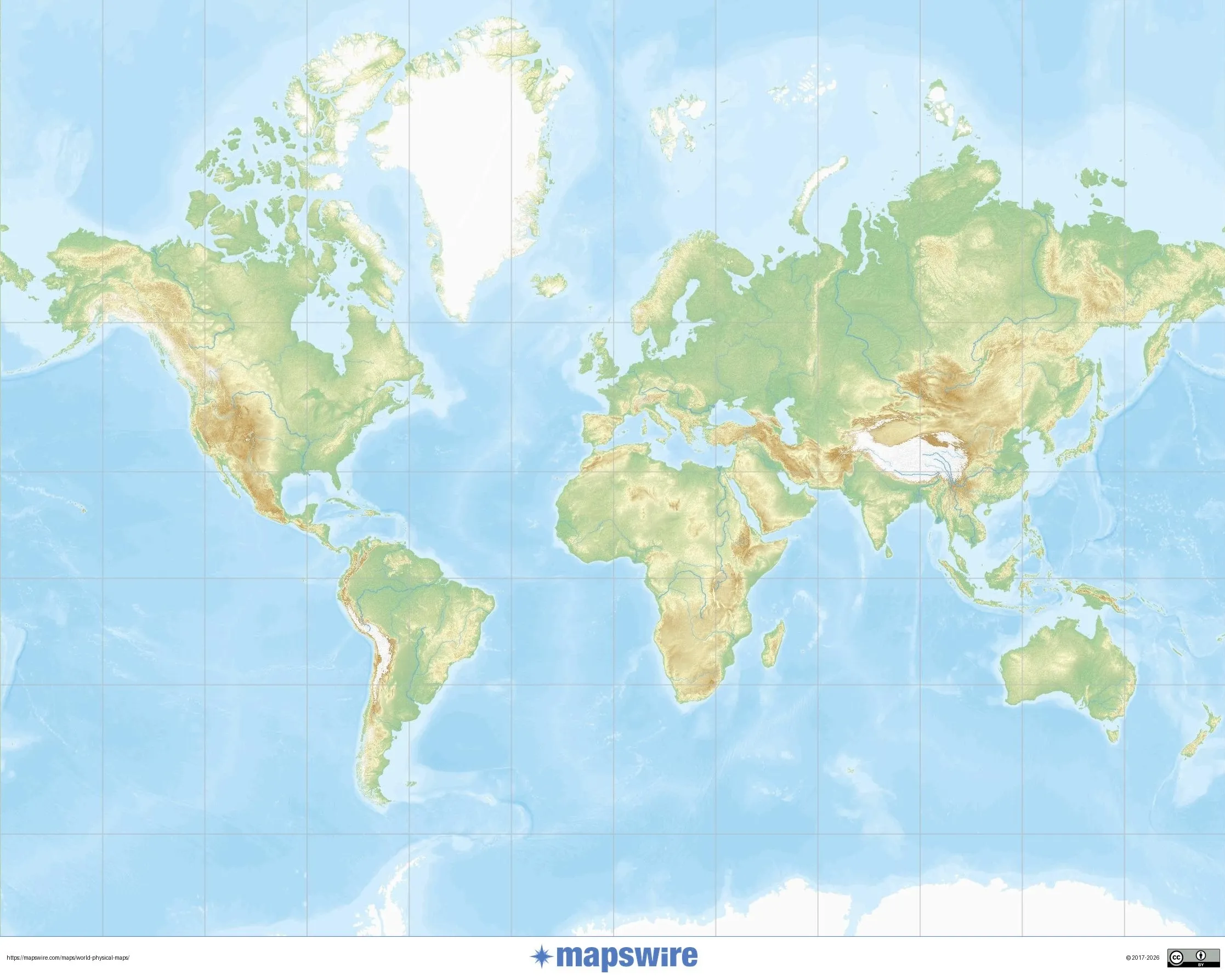
Map
| Category | |
|---|---|
| Element |
Asia
World
Related Links
| Group | List |
|---|---|
| East Asia | The Qing Dynasty Court First Sino-Japanese War |
| West Asia | The Ottoman Court Iranian religious movement Zionist movement |
Comments