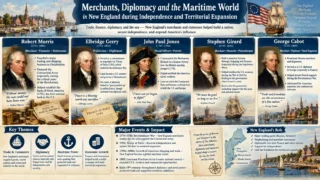
John Paul Jones: Naval Heroism and Revolutionary Maritime Command

John Paul Jones was a Scottish-born naval officer and Continental Navy hero known as the "Father of the American Navy." Celebrated for his audacious raids off British shores and capturing HMS Serapis during the Battle of Flamborough Head, he famously declared, "I have not yet begun to fight!" He later served as an admiral in the Imperial Russian Navy.
Elbridge Gerry: Constitutional Founding, Rights Advocacy, and Diplomacy

Elbridge Gerry was a merchant and prominent Founding Father who signed the Declaration of Independence and attended the Constitutional Convention. A staunch advocate for the Bill of Rights, he feared excessive federal power. He later served as Governor of Massachusetts, Vice President under James Madison, and unwittingly inspired the political term "gerrymandering."

Robert Morris: Financing the American Revolution and Nation-Building

Robert Morris was a British-born merchant, statesman, and Founding Father known as the "Financier of the Revolution." Managing Continental finances, he secured critical loans and used his personal wealth to fund the military during the Revolutionary War. A signer of all three founding documents, he also helped establish the nation's early financial system before facing later bankruptcy.

Merchant, Diplomacy, and Maritime Activity in Colonial America

Colonial trade, maritime commerce, and diplomacy laid the foundational framework for American independence. Merchants navigated British mercantilist restrictions through transatlantic trade, privateering, and smuggling networks. During the Revolutionary era, maritime networks supplied vital resources, while diplomatic missions secured critical foreign alliances and funding, shaping the economic and naval power of the nascent United States.

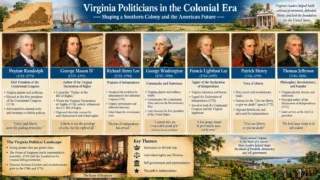
Thomas Jefferson’s Vision

Born near Charlottesville, Thomas Jefferson primary authored the Declaration of Independence in 1776, articulating fundamental human rights. He later drafted the Virginia Statute for Religious Freedom and expanded the nation's borders as the third U.S. President.

Francis Lightfoot Lee

Born in Westmoreland County, Francis Lightfoot Lee worked alongside his brother Richard Henry Lee in resisting British taxation. As a Continental Congress delegate, he signed both the Declaration of Independence and the Articles of Confederation.

Richard Henry Lee’s Motion

Born in Westmoreland County, Richard Henry Lee was a fiery patriot who actively opposed British taxes. In June 1776, he introduced the Lee Resolution to the Continental Congress, directly leading to the adoption of the Declaration of Independence.

George Mason IV and Rights

Born in Mason Neck, George Mason IV authored the Virginia Declaration of Rights in 1776, establishing popular sovereignty and individual liberties. His ideas heavily influenced the Declaration of Independence and the U.S. Bill of Rights.

Peyton Randolph’s Legacy

Born in Williamsburg, Peyton Randolph served as Speaker of the Virginia House of Burgesses. Respected for his moderation and diplomacy, he was unanimously elected the first President of the Continental Congress in 1774, unifying the colonies.

Virginia Colonial Leaders

Virginia politicians shaped early American self-governance through the House of Burgesses. Leaders like Peyton Randolph, George Mason, and Thomas Jefferson resisted British taxation, articulated foundational human rights, and spearheaded the movement toward colonial independence.