State-Building in South Korea

State-building in South Korea
Following the 1945 liberation and Korean War, South Korea navigated nation-building amid intense Cold War geopolitics. The nation transformed from a war-torn agrarian society into an economic powerhouse, shaped by authoritarian governance, state-led industrialization, and strong popular movements demanding democracy.
People
Birth
Death
Origin
Age (Death)
| 1875 | |
|---|---|
| 1899 | |
| 1910 | |
| 1915 | |
| 1917 | |
| 1924 | |
| 1926 | |
| 1926 | |
| 1927 | |
| 1931 | |
| 1932 |
Timeline
| Category | |
|---|---|
| Element |
| Year | State-building in South Korea |
|---|---|
| 1875 |
Birth of Syngman Rhee (Period: March 26, 1875, Location: Pyongsan County, Hwanghae-namdo, North Korea (present-day Pyongsan County))
|
| 1891 |
Marriage (Syngman Rhee and Park Seung-seon)
|
| 1896 |
Participation in the Independence Club and Political Reform Movement
|
| 1898 |
Suppression of the Independence Club and the All-People's Joint Association
|
| 1899 |
Birth of Chang Myon (Period: August 28, 1899, Location: Jeokseon-dong, Jongno-gu, Seoul, Republic of Korea (then Hanseong))
Birth and Early Life (Chang Myon, Period: August 28, 1899, Location: Jeokseon-dong, Jongno-gu, Hanseong, Korean Empire (Present-day Jeokseon-dong, Jongno-gu, Seoul, Republic of Korea))
|
| 1904 |
Russo-Japanese War
Study in the United States and Diplomatic Activities for Independence
|
| 1906 |
Education at Incheon Bakmun School (Chang Myon)
|
| 1910 |
Birth of Lee Byung-chul (Period: February 12, 1910, Location: Junggyo-ri, Jeonggok-myeon, Uireong-gun, Gyeongsangnam-do, South Korea (an area still belonging to Uireong-gun today))
Birth and Early Life (Lee Byung-chul, Period: February 12, 1910, Location: Jonggok-ri, Jeonggok-myeon, Uiryeong-gun, Gyeongsangnam-do, Korean Empire)
|
| 1911 |
105-Man Incident
|
| 1915 |
Birth of Chung Ju-yung (Period: November 25, 1915, Location: Tongchon-gun, Kangwon-do, North Korea (equivalent to a county in current administrative divisions))
|
| 1916 |
Marriage
Marriage (Chang Myon and Kim Ok-yun)
|
| 1917 |
Graduation from Suwon Agriculture and Forestry School (Chang Myon)
Birth of Park Chung-hee (Period: November 14, 1917, Location: Sangmo-ri, Gumi-myeon, Seonsan-gun, Gyeongsangbuk-do, South Korea (present-day Gumi-si))
|
| 1918 |
Studies and Teaching Career at YMCA Village School
|
| 1919 |
First President of the Provisional Government of the Republic of Korea
March 1st Movement
|
| 1921 |
Study in the United States
|
| 1924 |
Birth and Early Life (Kim Dae-jung, Period: January 6, 1924 (Actual solar birthday is considered January 8), Location: Haewido, Sinan-gun, Jeollanam-do, Republic of Korea)
Birth of Kim Dae-jung (Period: January 6, 1924 (The date he personally used as his birthday throughout his life; his actual birth date according to the solar calendar is considered to be January 8, 1924, and December 3, 1923, in the lunar calendar), Location: Haeui Island, Sinan-gun, Jeollanam-do, Republic of Korea (present-day Haeui-myeon, Sinan-gun))
|
| 1925 |
Catholic Education and School Management (Chang Myon)
Visit to Italy and Return to Korea (Chang Myon)
|
| 1926 |
Birth of Kim Jong-pil (Period: January 7, 1926, Location: Bangyo-ri, Oesan-myeon, Buyeo-gun, Chungcheongnam-do, Republic of Korea (an area still belonging to Buyeo-gun today))
Birth and Early Life (Kim Jong-pil, Period: January 7, 1926, Location: Bangyo-ri, Oesan-myeon, Buyeo-gun, Chunchongnam-do under Japanese rule (Present-day Buyeo-gun, Chungcheongnam-do, Republic of Korea))
Birth of Kim Jae-gyu (Period: April 9, 1924 (Listed as March 6, 1926, in the Encyclopedia of Korean Culture, showing discrepancies among sources regarding his birth date), Location: Seonsan-eup, Gumi-si, Gyeongsangbuk-do, South Korea)
Birth and Early Life (Kim Jae-gyu, Period: April 9, 1924 (March 6, 1926 according to other sources), Location: Seonsan-eup, Seonsan-gun, Gyeongsangbuk-do under Japanese rule (Present-day Seonsan-eup, Gumi-si, Korea))
Marriage (Lee Byung-chul and Park Doo-eul)
|
| 1927 |
Birth of Kim Young-sam (Period: December 20, 1927 (Official date of registration on the family register; records regarding the exact birth date in the lunar calendar or actual birth date vary depending on sources), Location: Oepo-ri, Jangmok-myeon, Tongyeong-gun, Gyeongsangnam-do, Republic of Korea (present-day Jangmok-myeon, Geoje-si))
Birth and Early Life (Kim Young-sam, Period: December 20, 1927, Location: Geoje-si, Gyeongsangnam-do, Republic of Korea (Waepo-ri, Jangmok-面, Tongyeong-gun at the time))
|
| 1930 |
Business Activities and Wartime Economic Controls in Korea under Japanese Rule
Study in Japan
Enrollment in and Graduation from Andong Agricultural High School (Kim Jae-gyu)
|
| 1931 |
Relocation to Seoul after Leaving Hometown (Chung Ju-yung)
Birth of Chun Doo-hwan (Period: January 18, 1931, Location: Yulgok-myeon, Hapcheon-gun, Gyeongsangnam-do, South Korea)
|
| 1932 |
Birth of Roh Tae-woo (Period: December 4, 1932, Location: Near Dalseong-gun, Gyeongsangbuk-do, South Korea (present-day Daegu Metropolitan City))
|
| 1934 |
Marriage (Syngman Rhee and Francesca Donner)
|
| 1936 |
Marriage (Park Chung-hee and Kim Ho-nam)
Management of Kyongil Rice Store
Marriage (Chung Ju-yung and Byeon Joong-seok)
Establishment of Kyongdong Rice Mill
|
| 1937 |
Graduation from Daegu Normal School and Primary School Teacher (Park Chung-hee)
|
| 1938 |
Establishment of Samsung Sanghoe
|
| 1939 |
World War II
Management of Chosun Brewing
Regulations on the Rice Distribution Business and Loss of Business under Japanese Rule
|
| 1940 |
Enrollment in the Manchukuo Military Academy and the Imperial Japanese Army Academy
Establishment of A-do Auto Repair Shop
|
| 1943 |
Graduation from Mokpo Commercial High School (Kim Dae-jung)
Forced Consolidation of Auto Repair Shops
Aviation Training in the Imperial Japanese Military
|
| 1944 |
Entry into the Shipping Business
|
| 1945 |
Enrollment in the College of Education, Seoul National University
Service as a Teacher
Marriage (Kim Jae-gyu and Kim Young-hee)
Return to Korea after Liberation and Campaign for the Establishment of a Sole South Korean Government (Syngman Rhee)
|
| 1946 |
Enlistment in the South Korean Military and Military Career (Park Chung-hee)
Marriage (Kim Dae-jung and Cha Yong-ae)
Participation in the Interim Legislative Assembly under US Military Government
Establishment of Hyundai Auto Service
Enrollment in and Graduation from the South Korean Defense Academy (Kim Jae-gyu)
Promotion as an Army Officer (Kim Jae-gyu)
|
| 1947 |
Entrance to Daegu Technical High School and Admission to the Korea Military Academy (Chun Doo-hwan)
Relocation of Business Base to Seoul
Establishment of Hyundai Engineering and Construction
|
| 1948 |
Jeju April 3 Incident
Delegation of South Korean Representatives to the UN General Assembly
Inauguration as the First President of the Republic of Korea (Syngman Rhee)
Yeosu–Suncheon Rebellion
Purge of the Military Following the Yeosu–Suncheon Rebellion
|
| 1949 |
Land Reform
Assumption of Office as the First South Korean Ambassador to the United States (Chang Myon)
Graduation from the Korea Military Academy (Kim Jong-pil)
|
| 1950 |
Marriage (Park Chung-hee and Yuk Young-soo)
Detention by North Korean Forces During the Korean War and Escape
Service in the Korean War
Relocation to Busan Due to the Korean War
Reconstruction and Construction Projects for Bridges and Roads Across the Han River
Bodo League Massacre
Evacuation and Diplomatic Activities of the Syngman Rhee Administration During the Korean War
Korean War
Assumption of Office as the 2nd Prime Minister (Chang Myon)
|
| 1951 |
Graduation from Kyungpook High School and Admission to the Korea Military Academy (Roh Tae-woo)
Graduation from Seoul National University (Kim Young-sam)
Marriage (Kim Young-sam and Son Myeong-sun)
Kinship Relationship with Park Chung-hee
Marriage (Kim Jong-pil and Park Young-ok)
|
| 1952 |
Busan Political Crisis
Excerpt Amendments and Introduction of Direct Presidential Elections
|
| 1953 |
Establishment of Cheil Jedang
Signing of the Mutual Defense Treaty Between the Republic of Korea and the United States
|
| 1954 |
First Election to the National Assembly
Establishment of Cheil Industries
Rounding-off (Sasa-o-ip) Constitutional Amendment
|
| 1955 |
Graduation from the Korea Military Academy and Start of Military Career (Chun Doo-hwan)
Military Career in the South Korean Army
Participation in the Formation of the Democratic Party
|
| 1956 |
Assumption of Office as the 4th Vice President (Chang Myon)
|
| 1958 |
Entry into the Insurance and Financial Sectors
Marriage (Chun Doo-hwan and Lee Soon-ja)
|
| 1959 |
Marriage (Roh Tae-woo and Kim Ok-suk)
|
| 1960 |
Preparation of the Five-Year Economic Development Plan
Activities in the Korea Scout Association
Soyang Dam Construction Project
February 28 Daegu Student Pro-Democracy Movement
March 15 Election Fraud
April Revolution and Presidential Resignation (Syngman Rhee)
April Revolution
Exile to Hawaii and Death (Syngman Rhee)
Assumption of Office as Prime Minister of the Second Republic (Chang Myon)
|
| 1961 |
Assumption of Office as the First Director of the Korean Central Intelligence Agency (Kim Jong-pil)
Corporate Management Following the May 16 Military Coup
Support for the May 16 Military Coup
Hiding and Restrictions on Political Activities Following the Military Coup
May 16 Military Coup and Reorganization of the Business Community
Entry into Politics and First Election to the National Assembly
May 16 Military Coup
Participation in and Support for the May 16 Military Coup
May 16 Military Coup of 1961
Ouster Following the May 16 Military Coup
Planning and Execution of the May 16 Military Coup
Establishment of the Korean Central Intelligence Agency (KCIA)
Assumption of Office as Chairman of the Supreme Council for National Reconstruction (Park Chung-hee)
Establishment and Inaugural Chairmanship of the Federation of Korean Industries (Lee Byung-chul)
|
| 1962 |
Five-Year Economic Development Plans and Export-Oriented Industrialization
Promotion of the Normalization of South Korea–Japan Relations
Marriage (Kim Dae-jung and Lee Hee-ho)
Negotiations for the Normalization of South Korea–Japan Relations and the Kim–Ohira Memorandum
|
| 1963 |
Service at the Korean Central Intelligence Agency
Re-election to the National Assembly and Opposition Activities
Establishment of the Democratic Republican Party
Inauguration as President of the Republic of Korea (Park Chung-hee)
|
| 1964 |
People's Revolutionary Party Incidents (First and Second)
Deployment of South Korean Troops to the Vietnam War
Protests Against the Treaty on Basic Relations Between Japan and the Republic of Korea
Protests Against the Normalization of South Korea–Japan Relations
June 3 Movement (Demonstrations Against the South Korea–Japan Talks)
|
| 1965 |
Establishment of the Samsung Foundation of Culture
Signing of the Treaty on Basic Relations Between Japan and the Republic of Korea
Death of Syngman Rhee
Launch of JoongAng Ilbo
|
| 1966 |
Second Korean War
Establishment of Korea General Hospital
Saccharin Smuggling Incident of Hankook Fertilizer
Death of Chang Myon
Death (Chang Myon)
|
| 1968 |
Construction of the Gyeongbu Expressway
|
| 1969 |
Campaign Against the Constitutional Amendment for a Third Presidential Term
Establishment of Samsung Electronics
|
| 1970 |
Saemaul Undong (New Village Movement)
Vietnam War
Deployment to Vietnam and Assumption of Command of the 29th Regiment (Chun Doo-hwan)
Business Diversification of Samsung Group
Construction of Jubail Industrial Port in Saudi Arabia
Opposition to the Yushin System and Deterioration of Relations with Park Chung-hee
Nomination as New Democratic Party Presidential Candidate
|
| 1971 |
1971 Presidential Election
1971 Traffic Accident and Alleged Assassination Attempt
Assumption of Office as the 9th Prime Minister (Kim Jong-pil)
|
| 1972 |
Movement Opposing the Yushin System
Anti-Yushin Campaign in the United States and Japan
Establishment of Hyundai Heavy Industries and Construction of Ulsan Shipyard
Enactment of the Yushin Constitution and Inauguration of the Fourth Republic
October Yushin and Exile of Kim Dae-jung (Kim Dae-jung)
Enactment of the Yushin Constitution and Establishment of the Yushin System
|
| 1973 |
Assumption of Office as a Member of the National Assembly (Kim Jae-gyu)
Diplomacy with Japan Following the Kim Dae-jung Kidnapping Incident
Kim Dae-jung Kidnapping Incident
|
| 1974 |
Assumption of Office as President of the New Democratic Party (Kim Young-sam)
Pro-Democratization Movement and Imprisonment
Mun Se-gwang Incident (Attempted Assassination of President Park Chung-hee)
Marriage to Yuk Young-soo
Assumption of Office as Minister of Construction (Kim Jae-gyu)
|
| 1976 |
March 1 Declaration for Democracy and National Salvation
Opening of Yongin Farmland
Assumption of Office as Director of the Central Intelligence Agency (Kim Jae-gyu)
|
| 1977 |
Establishment of Asan Foundation
Activities as a Leading Business Executive Representing the South Korean Industrial Sector
|
| 1978 |
Launch of Samsung Semiconductor Business
|
| 1979 |
Assumption of Office as Commander of the Defense Security Command (Chun Doo-hwan)
YH Trade Incident
Sit-in Protest by Female Workers of YH Trade
Seeking a Return to Politics Following the Assassination of Park Chung-hee
Investigation by Chun Doo-hwan and the Rise of the New Military Faction
Incident of Kim Young-sam's Expulsion from the National Assembly
Incident of Stripping Kim Young-sam of His National Assembly Seat
Bu-Ma Democratic Protests
Death of Park Chung-hee
October 26 Incident (Assassination of Park Chung-hee)
Assassination of the President and End of the Yushin System
October 26 Incident (Assassination of President Park Chung-hee)
Execution of the October 26 Incident
Arrest and Military Trial of Kim Jae-gyu
Seizure of Military Control
December 12 Military Coup
|
| 1980 |
Ban on Political Activities and House Arrest by the Chun Doo-hwan Administration
Establishment of Management Philosophy and Succession Structure
Death Sentence and Execution
Establishment of the Special Committee for National Defense Measures
Arrest and Death Sentence under the Chun Doo-hwan Administration
Restrictions on Political Activities under the Chun Doo-hwan Administration
May 17 Measure to Extend Martial Law
Gwangju Uprising (May 18 Democratic Uprising)
Death of Kim Jae-gyu
Execution of Kim Jae-gyu
|
| 1981 |
Inauguration of the Fifth Republic
Preparations for the Seoul Olympic Games
Cabinet and High Government Posts under the Chun Doo-hwan Administration
Contribution to Bidding for and Winning the Seoul Olympic Games
Inauguration as President of the Republic of Korea (Chun Doo-hwan)
|
| 1982 |
Opening of Ho-Am Art Museum
Exile to the United States (Kim Dae-jung)
|
| 1983 |
Kim Young-sam's Hunger Strike
Rangoon Bombing
|
| 1984 |
Establishment of the Council for the Promotion of Democratization
|
| 1985 |
Resumption of Political Activities and Formation of the Reunification Democratic Party
Formation of the New Korea and Democratic Party and Pro-Democratization Movement
|
| 1987 |
Labor Disputes in the Hyundai Group
Resignation from the Position of Chairman of Hyundai Group
June Democratic Struggle
Assumption of Office as Chairman of the Democratic Justice Party and Presidential Candidate (Roh Tae-woo)
June Democratic Struggle
June 29 Declaration
Formation of the New Democratic Republican Party
Death of Lee Byung-chul
Victory in the Republic of Korea Presidential Election
Candidacy in the 1987 Presidential Election
1987 Presidential Election
|
| 1988 |
Promotion of Nordpolitik (Northern Policy)
Presidential Retirement and Seclusion at Baekdamsa Temple
Inauguration as the 13th President (Roh Tae-woo)
Hosting of the Seoul Olympic Games
|
| 1990 |
Merger into the Democratic Liberal Party
Three-Party Merger
Establishment of Diplomatic Relations Between South Korea and the Soviet Union
|
| 1991 |
Simultaneous Admission of South and North Korea to the United Nations
Adoption of the Agreement on Reconciliation, Non-Aggression, and Exchanges and Cooperation Between the South and the North
|
| 1992 |
Formation of the Unification National Party
Establishment of Diplomatic Relations with China
Candidacy in the 1992 South Korean Presidential Election
Victory in the Presidential Election
1992 Presidential Election
|
| 1993 |
Public Disclosure of Officials' Assets and Anti-Corruption Reforms
Retirement from the Presidency
Inauguration as the 14th President (Kim Young-sam)
Introduction of the Real-Name Financial System
|
| 1994 |
Response to the Korean Peninsula Nuclear Crisis
|
| 1995 |
Trial of Chun Doo-hwan and Roh Tae-woo for Treason and Corruption
Roh Tae-woo Secret Political Slush Fund Scandal
Treason and Rebellion Trials of Chun Doo-hwan and Roh Tae-woo
Arrest and Prosecution of Former Presidents Chun Doo-hwan and Roh Tae-woo
Dismantling of the Former Japanese General-Government Building
Formation of the United Liberal Democrats
Formation of the National Congress for New Politics
Arrest, Conviction, and Special Amnesty
|
| 1997 |
1997 Asian Financial Crisis
Asian Financial Crisis and Request for IMF Assistance
DJP Coalition
Special Amnesty and Release
|
| 1998 |
Promotion of the Sunshine Policy
Promotion of Mount Kumgang Tourism Project
Indirect Contribution to the Inter-Korean Summit
End of Presidential Term and Transfer of Power
Inauguration as the 15th President (Kim Dae-jung)
Coalition with the Kim Dae-jung Administration and Assumption of Office as the 31st Prime Minister (Kim Jong-pil)
Visit to North Korea with a Herd of Cattle
Launch of Mount Kumgang Tourism Project
|
| 2000 |
Remittance Controversy to North Korea
Inter-Korean Summit
Award of the Nobel Peace Prize (Kim Dae-jung)
|
| 2001 |
Death of Chung Ju-yung
|
| 2004 |
Retirement from Politics (Kim Jong-pil)
Defeat in the 2004 General Election and Retirement from Politics (Kim Jong-pil)
|
| 2009 |
Death of Kim Dae-jung
Death (Kim Dae-jung)
|
| 2015 |
Death of Kim Young-sam
Death (Kim Young-sam)
|
| 2017 |
Defamation Trial
|
| 2018 |
Death of Kim Jong-pil
Death (Kim Jong-pil)
|
| 2021 |
Death of Roh Tae-woo
Death (Roh Tae-woo)
Death of Chun Doo-hwan
Death (Chun Doo-hwan)
|
Map
| Category | |
|---|---|
| Element |
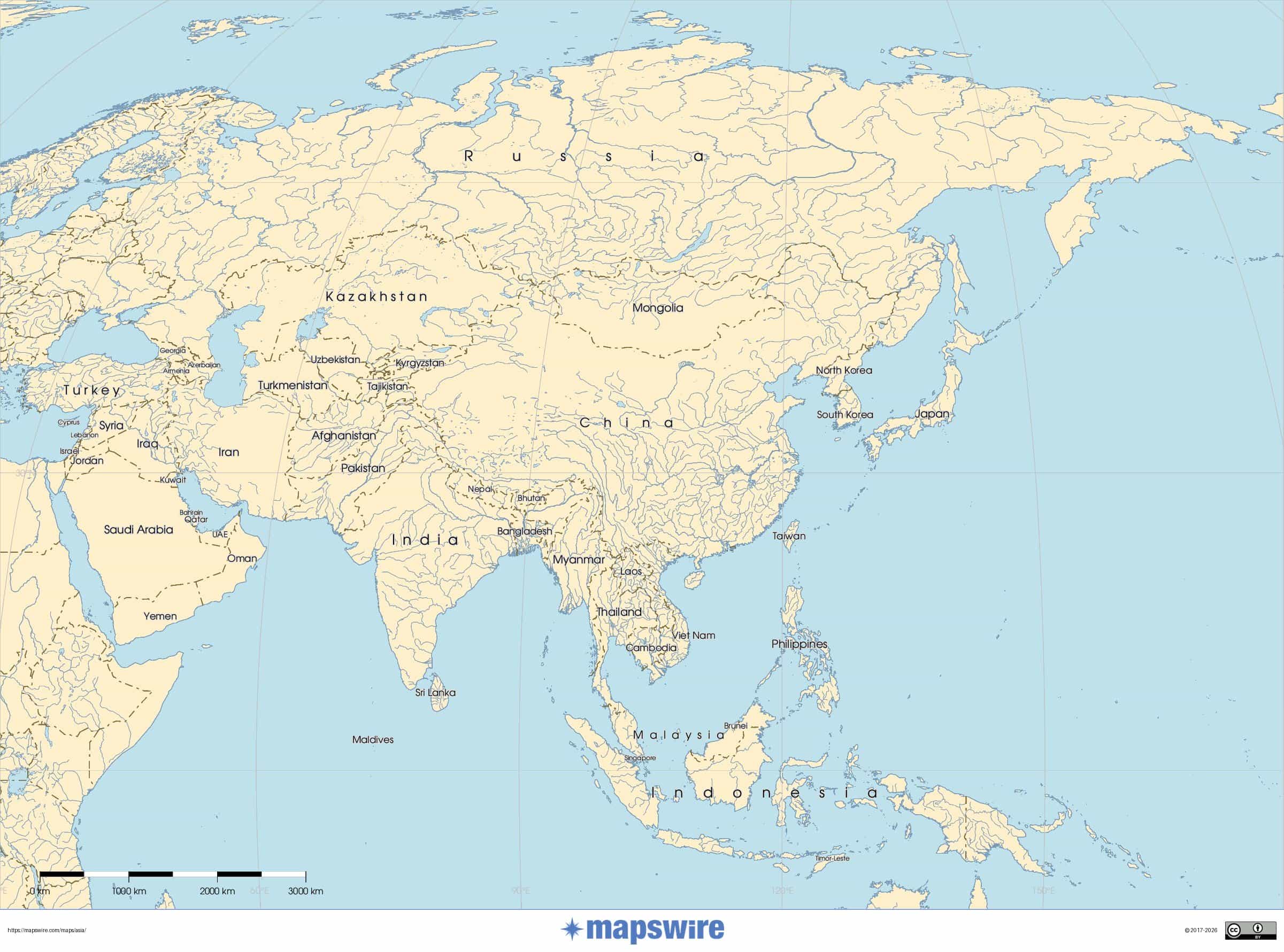
Asia
World
Related Links
| Group | List |
|---|---|
| East Asia | Founding of the PRC Nation-building in Taiwan State-building in South Korea Post-war Reconstruction of Japan |
| West Asia | Establishment of Israel Palestinian national movement Iranian Revolution |
Comments