Park Chung-hee's Authoritarian Growth

Park Chung-hee's Authoritarian Growth

Park Chung-hee

Born in Seonsan-gun, Park Chung-hee seized power in the 1961 coup and ruled until his assassination in 1979. He spearheaded South Korea's rapid economic development via Five-Year Plans and industrialization, while suppressing democracy through anti-communist policies and the Yushin Constitution.

Timeline

Category
Element
Year Park Chung-hee
1917
Birth of Park Chung-hee (Period: November 14, 1917, Location: Sangmo-ri, Gumi-myeon, Seonsan-gun, Gyeongsangbuk-do, South Korea (present-day Gumi-si))
1936
Marriage (Park Chung-hee and Kim Ho-nam, Age: 18 years old, Period: 1936, Location: Gyeongsangbuk-do, Korea (Exact location unknown))
1937
Graduation from Daegu Normal School and Primary School Teacher (Park Chung-hee, Age: 19 years old, Period: 1937–1940, Location: Daegu, and Mungyeong, Gyeongsangbuk-do, Korea)
1939
World War II (Age: 21 years old, Period: 1939–1945, Location: Iran)
1940
Enrollment in the Manchukuo Military Academy and the Imperial Japanese Army Academy (Age: 22 years old, Period: 1940–1944, Location: Hsinking, Manchukuo (Present-day Changchun), Japan, Tokyo)
1946
Enlistment in the South Korean Military and Military Career (Park Chung-hee, Age: 28 years old, Period: 1946–1963, Location: Various regions in Korea)
1948
Yeosu–Suncheon Rebellion (Age: 30 years old, Period: October 1948, Location: Yeosu and Suncheon, Jeollanam-do, Korea)
1950
Marriage (Park Chung-hee and Yuk Young-soo, Age: 32 years old, Period: 1950, Location: Daegu, Korea)
Korean War (Age: 32 years old, Period: 1950–1953, Location: Korean Peninsula)
1961
May 16 Military Coup (Age: 43 years old, Period: May 16, 1961, Location: Seoul, Korea)
Assumption of Office as Chairman of the Supreme Council for National Reconstruction (Park Chung-hee, Age: 43 years old, Period: July 1961 – December 1963, Location: Seoul, Korea)
1962
Five-Year Economic Development Plans and Export-Oriented Industrialization (Age: 44 years old, Period: 1962 – 1970s, Location: All of Korea)
1963
Inauguration as President of the Republic of Korea (Park Chung-hee, Age: 46 years old, Period: December 17, 1963, Location: Seoul, Korea)
1964
People's Revolutionary Party Incidents (First and Second, Age: 46 years old, Period: 1964–1965, 1974–1975, Location: Seoul, Korea, etc.)
Deployment of South Korean Troops to the Vietnam War (Age: 46 years old, Period: 1964–1973, Location: Republic of Vietnam (South Vietnam))
June 3 Movement (Demonstrations Against the South Korea–Japan Talks, Age: 46 years old, Period: June 3, 1964, Location: Seoul, Korea, etc.)
1965
Signing of the Treaty on Basic Relations Between Japan and the Republic of Korea (Age: 47 years old, Period: June 22, 1965, Location: Tokyo Metropolitan Area)
1966
Second Korean War (Age: 48 years old, Period: 1966–1969, Location: Around the Military Demarcation Line and Demilitarized Zone between South and North Korea)
1970
Saemaul Undong (New Village Movement, Age: 52 years old, Period: 1970–, Location: Rural areas across Korea)
1972
Enactment of the Yushin Constitution and Inauguration of the Fourth Republic (Age: 54 years old, Period: October–November 1972, Location: Seoul, Korea)
1973
Kim Dae-jung Kidnapping Incident (Age: 55 years old, Period: August 8, 1973, Location: Hotel Grand Palace in Chiyoda, Tokyo, Japan)
1974
Mun Se-gwang Incident (Attempted Assassination of President Park Chung-hee, Age: 56 years old, Period: August 15, 1974, Location: Seoul, Korea, National Theater)
Marriage to Yuk Young-soo (Age: 56 years old, Period: August 15, 1974, Location: Seoul, Korea, National Theater)
1979
Death of Park Chung-hee (Age: 61 years old, Period: October 26, 1979 (aged 61))
October 26 Incident (Assassination of Park Chung-hee, Age: 61 years old, Period: October 26, 1979, Location: Korean Central Intelligence Agency Facility in Gungpyeong-dong, Seoul, Korea)
Assassination of the President and End of the Yushin System (Age: 61 years old, Period: October 26, 1979, Location: Seoul, Korea)

Map

Category
Element
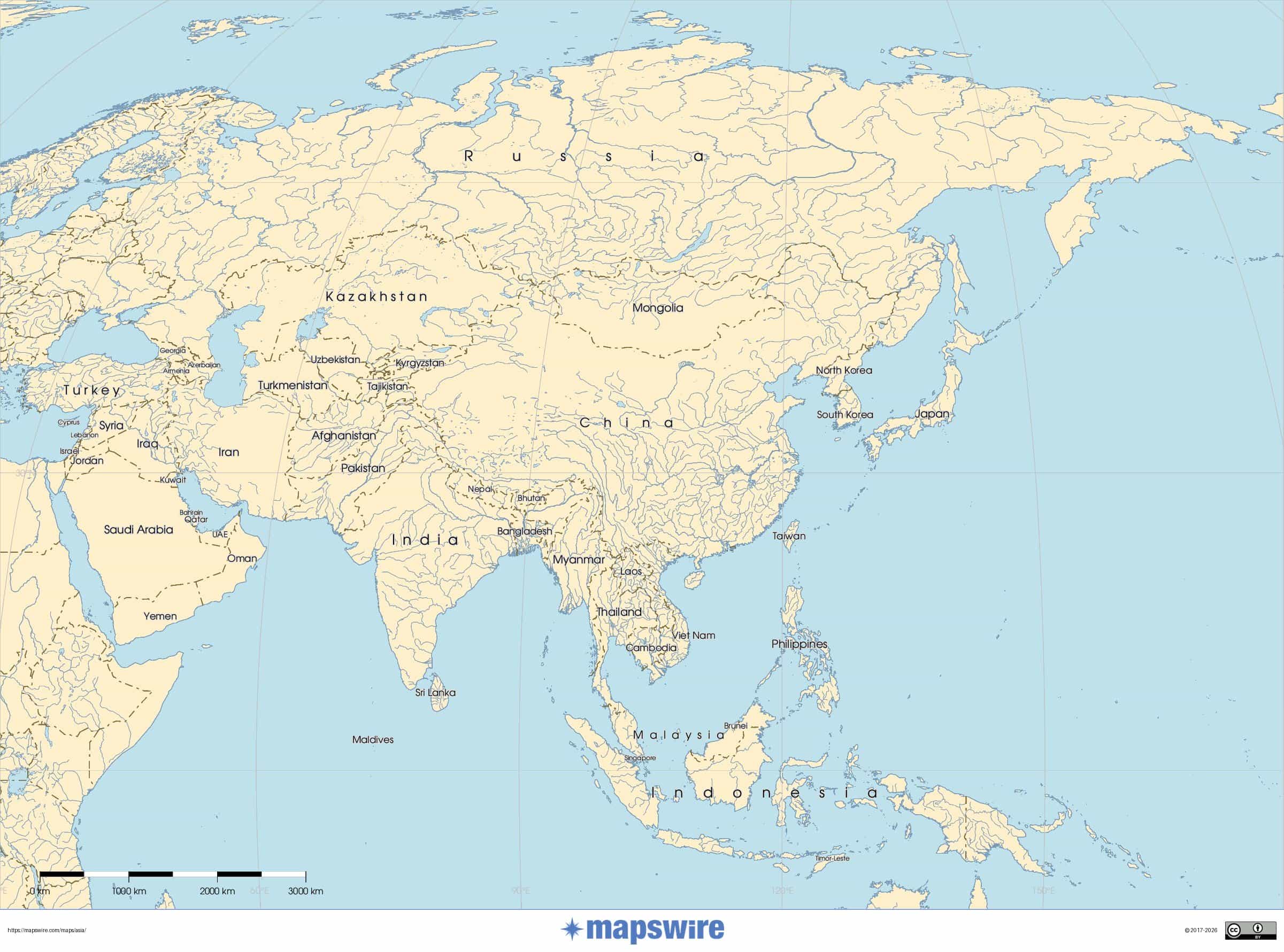
Asia World
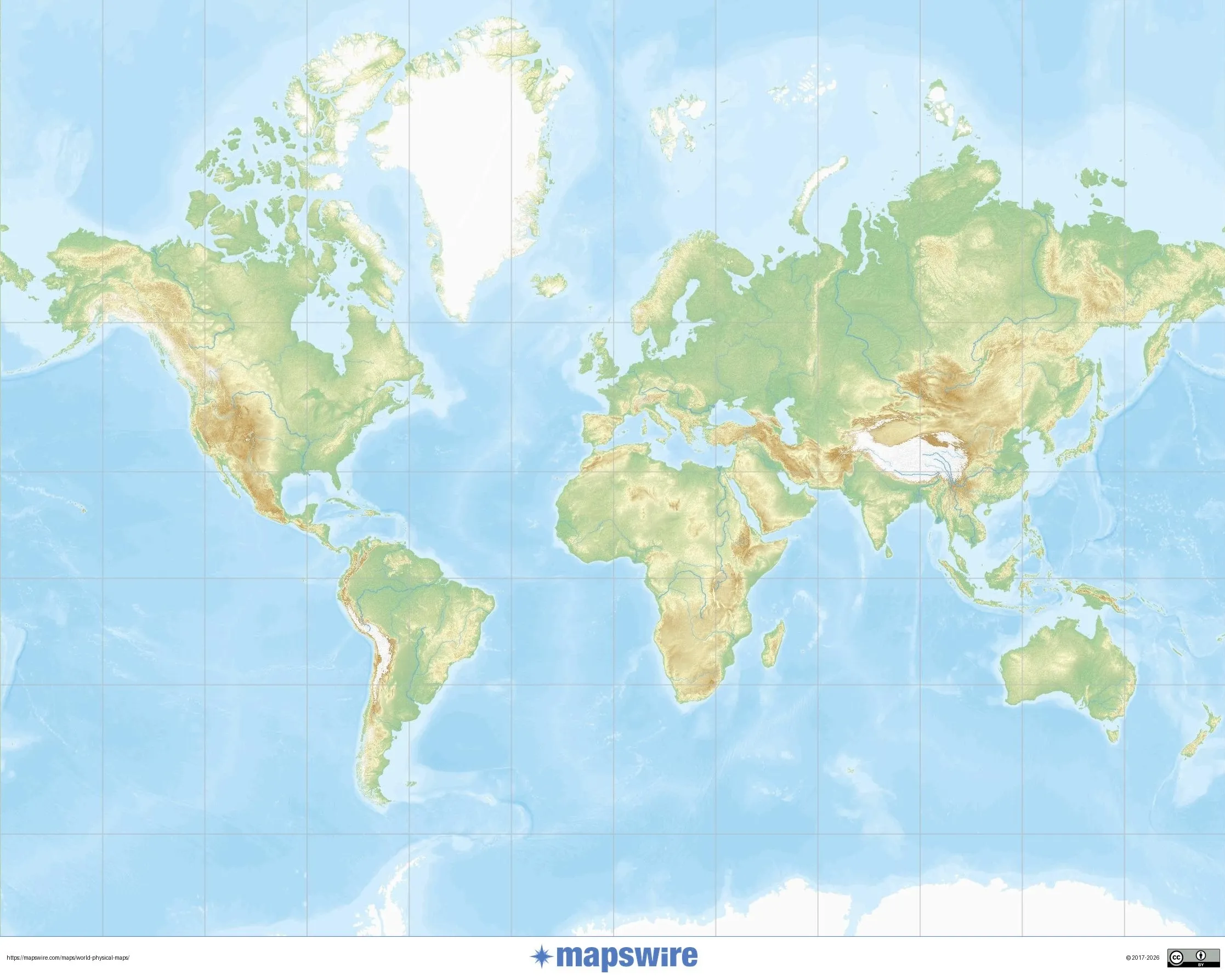
world map world map

Related Links

Other Languages

Comments