Eisaku Sato

Eisaku Sato

Eisaku Sato

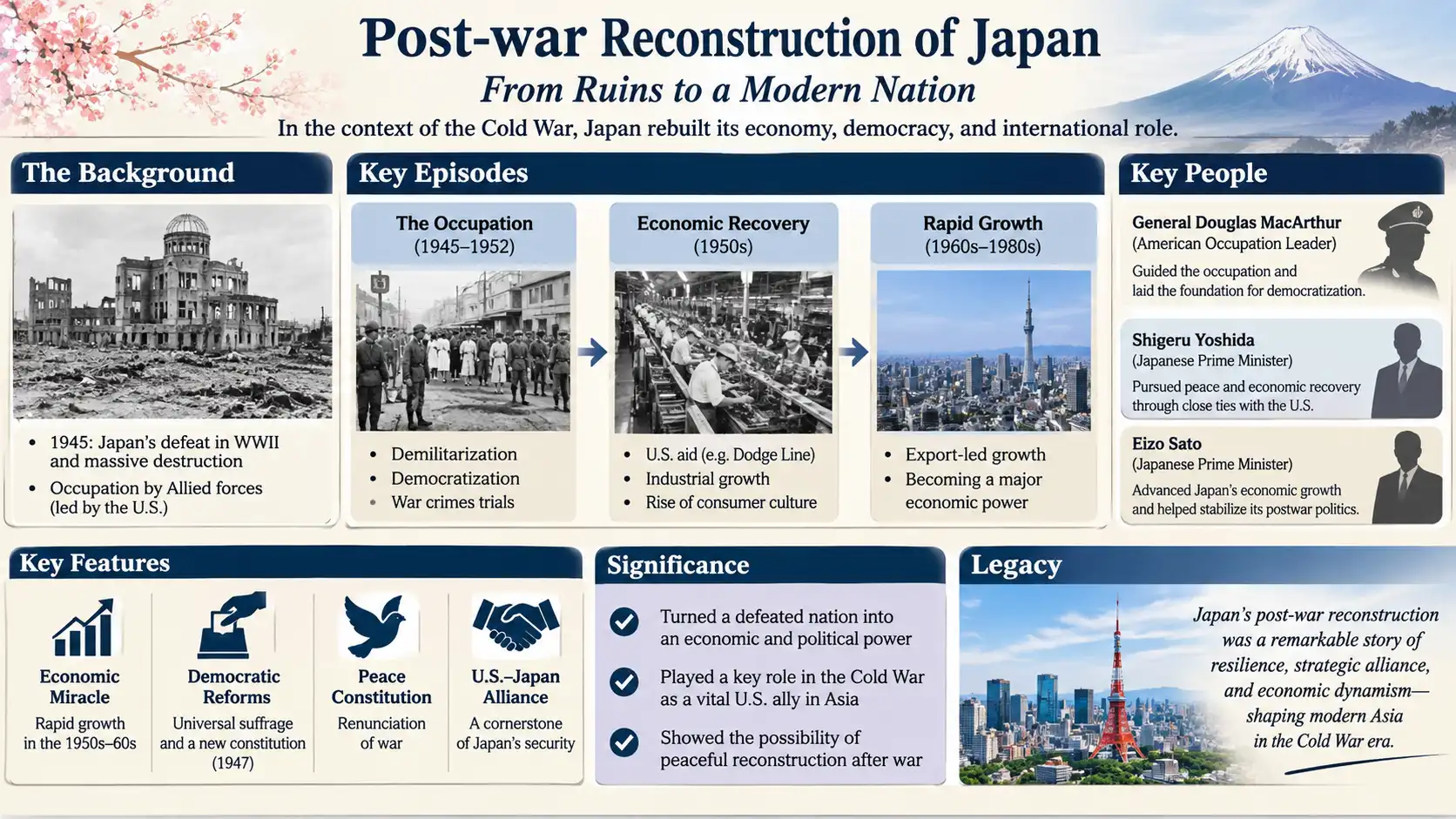
Leading Japan for over seven years, Eisaku Sato steered the nation through sustained economic growth and major geopolitical achievements. He articulated the "Three Non-Nuclear Principles," establishing a core peaceful diplomatic posture. Sato's crowning achievement was negotiating the 1972 reversion of Okinawa from U.S. control back to Japan. He also normalized diplomatic ties with South Korea in 1965, earning the Nobel Peace Prize in 1974 for his contributions to regional stability.

Timeline

Category
Element
Year Eisaku Sato
1901
Birth of Eisaku Sato (Period: March 27, 1901, Location: Tabuse Village, Kumage District, Yamaguchi Prefecture (present-day Tabuse Town, Kumage District, Yamaguchi Prefecture))
1910
Enrollment in the Fifth Higher School (Age: 8 years old, Period: Late 1910s–1920, Location: Kumamoto City, Kumamoto Prefecture)
1924
Graduation from the Faculty of Law, Tokyo Imperial University (Eisaku Sato, Age: 22 years old, Period: 1924, Location: Tokyo Metropolitan Area)
Entry into the Ministry of Railways (Age: 22 years old, Period: 1924, Location: Moji Ward, Kitakyushu City, Fukuoka Prefecture)
1926
Marriage to Hiroko Sato (Age: 24 years old, Period: 1926, Location: Uncertain)
Marriage (Eisaku Sato, Hiroko Sato, Age: 24 years old, Period: 1926, Location: Uncertain)
1934
Study abroad and research on Western transportation systems (Age: 32 years old, Period: 1934–1936, Location: United States, United Kingdom, European countries)
1939
World War II (Age: 37 years old, Period: 1939–1945, Location: Iran)
1944
Appointment as Director of the Osaka Railway Bureau (Eisaku Sato, Age: 42 years old, Period: 1944, Location: Osaka City, Osaka Prefecture)
1946
Appointment as Director-General of the Railway Board (Eisaku Sato, Age: 44 years old, Period: 1946, Location: Tokyo Metropolitan Area)
1947
Appointment as Vice-Minister of Transportation (Eisaku Sato, Age: 45 years old, Period: 1947, Location: Tokyo Metropolitan Area)
1948
Career transition from railway bureaucrat to politics (Age: 46 years old, Period: 1948, Location: Tokyo Metropolitan Area)
1950
Appointment as Secretary-General of the Liberal Party (Eisaku Sato, Age: 48 years old, Period: 1950–1954, Location: Tokyo Metropolitan Area)
1951
Appointment as Minister of Posts and Telecommunications in the Third Yoshida Cabinet (Eisaku Sato, Age: 50 years old, Period: July 1951–October 1952, Location: Tokyo Metropolitan Area)
1952
Appointment as Minister of Construction in the Fourth Yoshida Cabinet (Eisaku Sato, Age: 51 years old, Period: October 1952–February 1953, Location: Tokyo Metropolitan Area)
1955
Merger from the Liberal Party into the Liberal Democratic Party (Age: 53 years old, Period: 1955–1957, Location: Tokyo Metropolitan Area)
1958
Appointment as Minister of Finance in the Kishi Cabinet (Eisaku Sato, Age: 57 years old, Period: June 1958–July 1960, Location: Tokyo Metropolitan Area)
1961
Appointment as Minister of International Trade and Industry in the Ikeda Cabinet (Eisaku Sato, Age: 60 years old, Period: July 1961–July 1962, Location: Tokyo Metropolitan Area)
1964
Assumption of office as President of the Liberal Democratic Party (Eisaku Sato, Age: 63 years old, Period: November 1964, Location: Tokyo Metropolitan Area)
Assumption of office as Prime Minister (Eisaku Sato, Age: 63 years old, Period: November 9, 1964, Location: Tokyo Metropolitan Area)
1965
Base and nuclear issues surrounding the reversion of Okinawa (Age: 63 years old, Period: 1965–1972, Location: Okinawa Prefecture, Tokyo, United States)
Signing of the Treaty on Basic Relations Between Japan and the Republic of Korea (Age: 64 years old, Period: June 22, 1965, Location: Tokyo Metropolitan Area)
First visit to Okinawa by a sitting prime minister in the postwar era (Age: 64 years old, Period: August 19, 1965, Location: Okinawa Prefecture)
1966
Black Mist Scandal (Age: 64 years old, Period: 1966–1967, Location: Japan, nationwide centering around Tokyo)
Involvement in the establishment of the Asian Development Bank (Age: 64 years old, Period: 1966, Location: Manila, Philippines)
1967
Declaration of the Three Non-Nuclear Principles (Age: 66 years old, Period: December 1967, Location: National Diet, Tokyo)
1968
Reversion of the Ogasawara Islands (Age: 67 years old, Period: June 26, 1968, Location: Ogasawara Village, Tokyo)
1970
Vietnam War (Age: 68 years old, Period: 1970–1971, Location: Republic of Vietnam (South Vietnam))
Signing of the Treaty on the Non-Proliferation of Nuclear Weapons (NPT, Age: 68 years old, Period: February 3, 1970, Location: Tokyo Metropolitan Area)
Automatic extension of the U.S.-Japan Security Treaty (Age: 69 years old, Period: June 23, 1970, Location: Japan, United States)
1971
Secret agreement issue surrounding the reversion of Okinawa (Nishiyama Incident, Age: 69 years old, Period: 1971–1972, Location: Tokyo, Okinawa Prefecture, United States)
Signing of the Okinawa Reversion Agreement (Age: 70 years old, Period: June 17, 1971, Location: Washington, D.C., United States)
Nixon Shock (Age: 70 years old, Period: July–August 1971, Location: United States, China, Japan, etc.)
1972
Realization of the reversion of Okinawa (Age: 71 years old, Period: May 15, 1972, Location: Okinawa Prefecture)
Resignation as Prime Minister (Age: 71 years old, Period: July 7, 1972, Location: Tokyo Metropolitan Area)
1974
Receipt of the Nobel Peace Prize (Eisaku Sato, Age: 73 years old, Period: December 10, 1974, Location: Oslo, Norway)
1975
Collapse due to stroke (Age: 74 years old, Period: May 19, 1975, Location: Tokyo Metropolitan Area)
Death of Eisaku Sato (Age: 74 years old, Period: June 3, 1975, Location: Tokyo)
Passing (Eisaku Sato, Age: 74 years old, Period: June 3, 1975, Location: Tokyo Metropolitan Area)

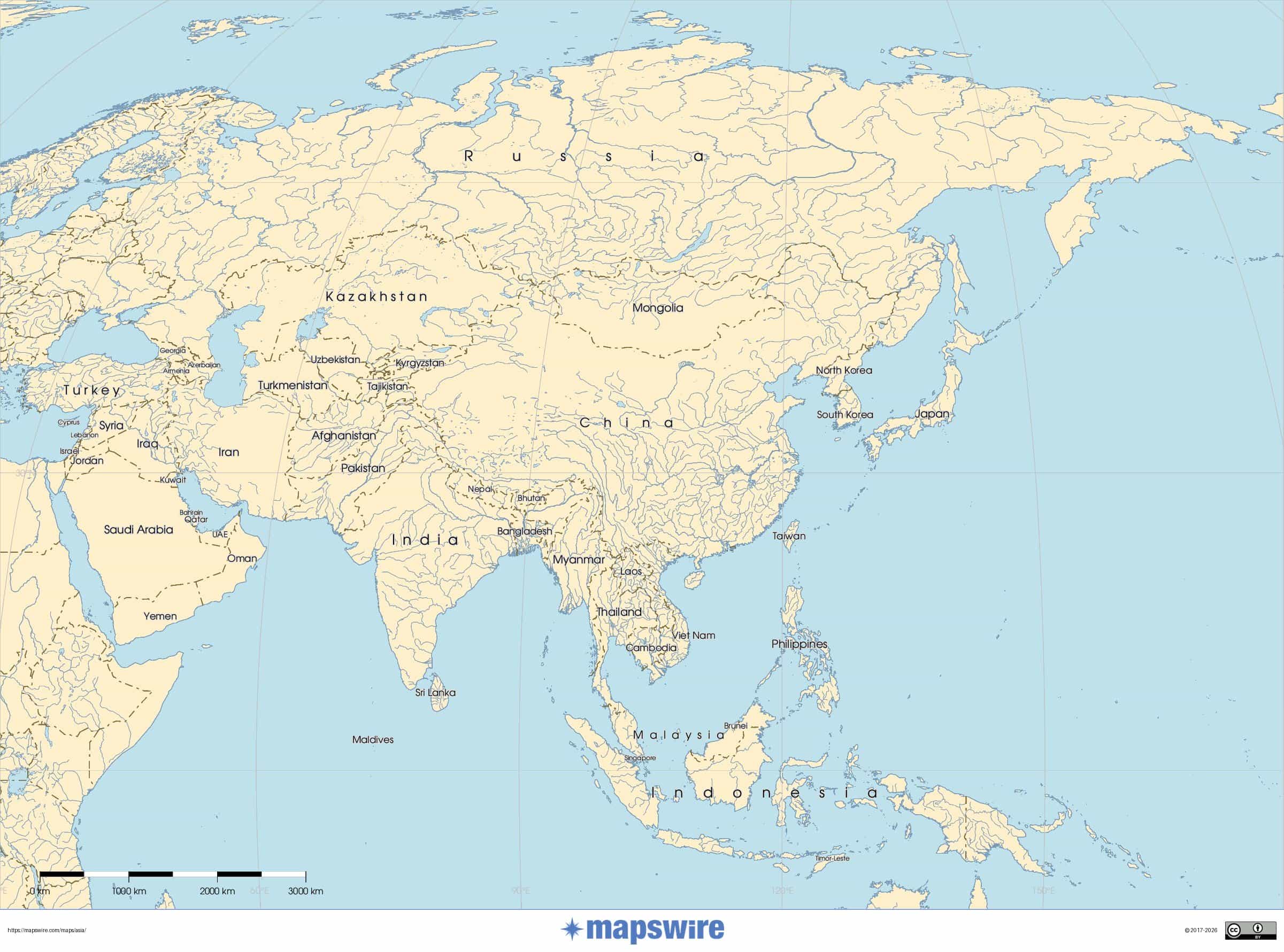
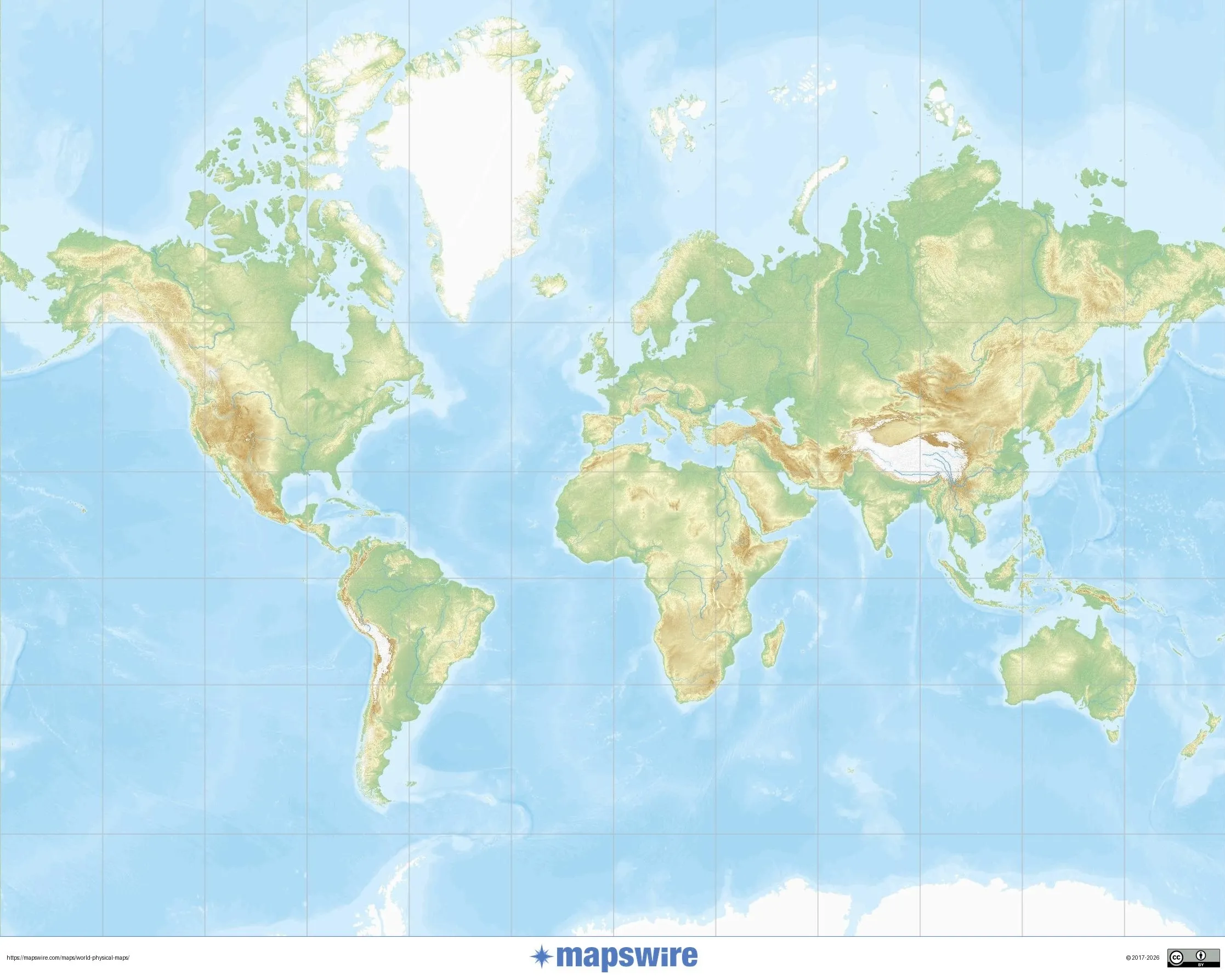
Map

Category
Element
Asia World
world map world map

Related Links

Other Languages

Comments