The Pacific War in WWII

Pacific War
The Pacific War was a major theater of World War II, fought between Imperial Japan and Allied forces, primarily the United States and Great Britain. Triggered by the Pearl Harbor attack in 1941, Japan initially expanded across Southeast Asia and the Pacific. However, turning points like the Battle of Midway crippled Japanese naval power. As Allied forces advanced through island-hopping campaigns and intense strategic bombing, Japan faced inevitable defeat. Following the atomic bombings of Hiroshima and Nagasaki and Soviet entry, Emperor Hirohito broadcasted Japan's surrender in August 1945, concluding the global war.
People
Birth
Death
Origin
Age (Death)
| 1868 | |
|---|---|
| 1877 | |
| 1880 | |
| 1882 | |
| 1884 | |
| 1884 | |
| 1886 | |
| 1887 | |
| 1887 | |
| 1891 | |
| 1901 |
Timeline
| Category | |
|---|---|
| Element |
| Year | Pacific War |
|---|---|
| 1868 |
Birth of Kantaro Suzuki (Period: January 18, 1868 (December 24, Keio 3 in the lunar calendar), Location: Fushio, Naka Ward, Sakai City, Osaka Prefecture)
|
| 1877 |
Birth of Kichisaburo Nomura (Period: December 16, 1877, Location: Nishikagidate-cho, Wakayama City, Wakayama Prefecture)
|
| 1880 |
Birth of Yosuke Matsuoka (Period: March 4, 1880, Location: Hikari City, Yamaguchi Prefecture (formerly Murozumi Village, Kumage District, Yamaguchi Prefecture))
|
| 1882 |
Birth of Shigenori Togo (Period: December 10, 1882, Location: Miyama, Higashiichiki-cho, Hioki City, Kagoshima Prefecture (formerly Naeshirogawa Village, Hioki District))
|
| 1884 |
Birth of Isoroku Yamamoto (Period: April 4, 1884, Location: Nagaoka City, Niigata Prefecture)
Birth of Hideki Tojo (Period: December 30, 1884, Location: Tokyo (currently near Kojimachi, Chiyoda Ward, Tokyo))
|
| 1886 |
Birth of Saburo Kurusu (Period: March 6, 1886, Location: Yokohama City, Kanagawa Prefecture)
|
| 1887 |
Graduation from the Imperial Japanese Naval Academy (Kantaro Suzuki)
Birth of Korechika Anami (Period: February 21, 1887, Location: Taketa City, Oita Prefecture)
Birth of Chuichi Nagumo (Period: March 25, 1887, Location: Yonezawa Shinobu-cho, Minamiyonezawa District, Yonezawa City, Yamagata Prefecture)
|
| 1891 |
Birth of Fumimaro Konoe (Period: October 12, 1891, Location: Tokyo (formerly Tokyo City))
|
| 1893 |
Study in the United States
|
| 1894 |
First Sino-Japanese War
Service in the First Sino-Japanese War
|
| 1896 |
Adoption into the Nomura Family
|
| 1897 |
Marriage (Kantaro Suzuki, Toyo Onuma)
|
| 1898 |
Graduation from the Imperial Japanese Naval Academy (Kichisaburo Nomura)
|
| 1901 |
Stationing in Germany
Enrollment in and Graduation from the Imperial Japanese Naval Academy (Isoroku Takano)
Sailing the Battleship Mikasa Back to Japan
Birth of Hirohito (Period: April 29, 1901, Location: Aoyama Togu Palace, Tokyo (formerly Aoyama, Minato Ward, Tokyo))
Birth and the Title of Prince Michi (Period: April 29, 1901, Location: Aoyama Togu Palace, Minato Ward, Tokyo)
|
| 1904 |
Joining the Ministry of Foreign Affairs and Service as a Diplomat
Russo-Japanese War
|
| 1905 |
Graduation from the Imperial Japanese Army Academy (Hideki Tojo)
Enrollment in the Imperial Japanese Naval Academy
Participation in the Battle of Tsushima
|
| 1906 |
Graduation from the Imperial Japanese Army Academy (Korechika Anami)
|
| 1908 |
Graduation from Tokyo Imperial University (Shigenori Togo)
Stationing in Austria and Germany
|
| 1909 |
Marriage (Hideki Tojo, Katsuko Tojo)
Graduation from Tokyo Higher Commercial School (Saburo Kurusu)
|
| 1912 |
Joining the Ministry of Foreign Affairs
Becoming Crown Prince
|
| 1913 |
Marriage (Fumimaro Konoe, Chiyoko Mori)
|
| 1914 |
Siemens Incident
Service as Consul in Chicago
Marriage (Saburo Kurusu, Alice Jay Little)
Appointment as Vice-Minister of the Navy (Kantaro Suzuki)
Appointment as Naval Attaché to the United States Embassy (Kichisaburo Nomura)
|
| 1915 |
Marriage (Kantaro Suzuki, Taka Adachi)
|
| 1916 |
Appointment to the House of Peers (Fumimaro Konoe)
Adoption into the Yamamoto Family
|
| 1918 |
Siberian Intervention
Graduation from the Army War College (Korechika Anami)
Marriage (Isoroku Takano, Reiko Yamamoto)
|
| 1919 |
Participation in the Paris Peace Conference
Study at Harvard University
Service as Consul-General in Manila
|
| 1920 |
Graduation from the Army War College (Chuichi Nagumo)
Marine Biology Research Activities
|
| 1921 |
Appointment as Director of the South Manchuria Railway Company (Yosuke Matsuoka)
Participation in the Washington Naval Conference
Assumption of the Regency (Hirohito)
|
| 1922 |
Marriage (Shigenori Togo, Edi Togo)
Diplomatic Service in Chile, Italy, and Greece
|
| 1923 |
Staff Officer of the Sakhalin Expeditionary Force
|
| 1924 |
Appointment as Commander-in-Chief of the Combined Fleet (Kantaro Suzuki)
Marriage to Empress Kojun
Marriage (Hirohito, Princess Nagako; later Empress Kojun)
|
| 1925 |
Naval Attaché to the United States Embassy
Appointment as Chief of the Naval General Staff (Kantaro Suzuki)
Stationing in France
|
| 1926 |
Accession to the Throne as the 124th Emperor
|
| 1927 |
Service as Consul-General in Hamburg
|
| 1928 |
Appointment as Minister to Peru (Saburo Kurusu)
|
| 1929 |
Appointment as Grand Chamberlain (Kantaro Suzuki)
Appointment as Aide-de-Camp to Emperor Meiji (Korechika Anami)
|
| 1930 |
Election to the House of Representatives
Involvement in the Field of Naval Aviation
Activities as a Member of the Fleet Faction Regarding Naval Arms Control Treaties
|
| 1931 |
Manchurian Incident
Mukden Incident
|
| 1932 |
First Shanghai Incident
Appointment as Commander-in-Chief of the Third Fleet (Kichisaburo Nomura)
Shanghai Tenchosetsu Bombing Incident (Hongkou Park Bombing Incident)
Appointment as Director of the Commercial Affairs Bureau of the Ministry of Foreign Affairs (Saburo Kurusu)
|
| 1933 |
Appointment as President of the House of Peers (Fumimaro Konoe)
Withdrawal from the League of Nations
Speech as Representative at the League of Nations Assembly and Walkout
Promotion to Admiral of the Navy (Kichisaburo Nomura)
|
| 1935 |
Appointment as President of the South Manchuria Railway Company (Yosuke Matsuoka)
|
| 1936 |
Appointment as Ambassador to Belgium (Saburo Kurusu)
Attack in the February 26 Incident and Resignation as Grand Chamberlain (Kantaro Suzuki)
February 26 Incident
Response to the February 26 Incident
Appointment as Vice-Minister of the Navy (Isoroku Takano)
|
| 1937 |
Appointment as Chief of Staff of the Kwantung Army (Hideki Tojo)
Appointment as Ambassador to Germany (Shigenori Togo)
Appointment as President of Gakushuin (Kichisaburo Nomura)
Expansion of the Second Sino-Japanese War and National Control
Appointment as Director of the Personnel Bureau of the Ministry of War (Korechika Anami)
Formation of the First Konoe Cabinet
Marco Polo Bridge Incident
Nanjing Massacre
|
| 1938 |
Appointment as Ambassador to the Soviet Union (Shigenori Togo)
Statement Declaring "No Dealing with the National Government"
Appointment as Commander of the 109th Division (Korechika Anami)
Statement on the New Order in East Asia
|
| 1939 |
Nomonhan Incident
Appointment as Commander-in-Chief of the Combined Fleet (Isoroku Takano)
Appointment as Minister for Foreign Affairs (Kichisaburo Nomura)
Appointment as Vice-Minister of War (Korechika Anami)
Appointment as Ambassador to Germany (Saburo Kurusu)
|
| 1940 |
Deterioration of Japan-US Relations and Deadlock in Diplomatic Negotiations
Appointment as Minister of War (Hideki Tojo)
Formation of the Second Konoe Cabinet and Establishment of the Taisei Yokusankai
Appointment as Minister for Foreign Affairs in the Second Konoe Cabinet (Yosuke Matsuoka)
Conclusion of the Tripartite Pact
|
| 1941 |
Planning and Command of the Attack on Pearl Harbor (Isoroku Takano)
Japan-US Negotiations
Appointment as Ambassador Extraordinary and Plenipotentiary to the United States (Kichisaburo Nomura)
Continuation of Japan-US Negotiations and Return to Japan (Kichisaburo Nomura)
Visit to Europe and Conclusion of the Soviet-Japanese Neutrality Pact
Appointment as Commander of the 11th Army (Korechika Anami)
Appointment as Commander of the First Air Fleet (Chuichi Nagumo)
Conclusion of the Soviet-Japanese Neutrality Pact
Formation of the Third Konoe Cabinet and Japan-US Negotiations
Resignation as Minister for Foreign Affairs
Changsha Campaigns (First and Second Battles of Changsha)
Appointment as Prime Minister (Hideki Tojo)
Appointment as Minister for Foreign Affairs in the Tojo Cabinet (Shigenori Togo)
Dispatched to the United States as Ambassador Extraordinary and Plenipotentiary
Japan-US Negotiations and Return to Japan (Saburo Kurusu)
Pacific War
Diplomatic Response at the Outbreak of the Pacific War
Command of the Attack on Pearl Harbor (Chuichi Nagumo)
Attack on Pearl Harbor
Attack on Pearl Harbor and Outbreak of the Pacific War
Attack on Pearl Harbor and Outbreak of the War Between Japan and the US
Imperial Rescript on the Declaration of War in the Pacific War
|
| 1942 |
Announcement of Adherence to the Geneva Convention
Indian Ocean Raid
Command of the Indian Ocean Raid (Chuichi Nagumo)
Defeat at the Battle of Midway
Exchange and Repatriation of Japanese and American Diplomats (Saburo Kurusu)
Battle of Midway
Appointment as Commander of the 2nd Area Army (Korechika Anami)
Appointment as Commander of the Third Fleet (Chuichi Nagumo)
Conflict over the Establishment of the Ministry of Greater East Asia
Operational Command Regarding Guadalcanal (Isoroku Takano)
Battle of the Eastern Solomons
Resignation as Minister for Foreign Affairs and Appointment to the House of Peers (Shigenori Togo)
Battle of the Santa Cruz Islands
Appointment as Commander-in-Chief of the Sasebo Naval District (Chuichi Nagumo)
|
| 1943 |
Death of Isoroku Yamamoto
Navy Class A Incident (Shooting Down of Isoroku Yamamoto's Aircraft)
Frontline Inspection and Death in Combat
Promotion to General of the Army (Korechika Anami)
Appointment as Commander-in-Chief of the Kure Naval District (Chuichi Nagumo)
Appointment as Commander-in-Chief of the First Fleet (Chuichi Nagumo)
Battles in the New Guinea and Halmahera Areas
Hosting of the Greater East Asia Conference
|
| 1944 |
Concurrent Appointment as Chief of the Army General Staff
Appointment as Commander-in-Chief of the Central Pacific Area Fleet (Chuichi Nagumo)
Appointment as Privy Councillor (Kichisaburo Nomura)
Fall of Saipan
Battle of Saipan
Death of Chuichi Nagumo
Suicide on Saipan
Resignation of the Cabinet
Appointment as President of the Privy Council (Kantaro Suzuki)
Appointment as Inspector General of Army Aviation and Chief of the Army Aviation Department
|
| 1945 |
Indictment at the International Military Tribunal for the Far East
Konoe Memorial to the Emperor
Submission of the Konoe Memorial
Battle of Okinawa
Appointment as Prime Minister (Kantaro Suzuki)
Appointment as Minister of War in the Suzuki Kantaro Cabinet (Korechika Anami)
Appointment as Minister for Foreign Affairs in the Suzuki Kantaro Cabinet (Shigenori Togo)
Advocacy for Acceptance of the Potsdam Declaration
Response to the Potsdam Declaration
Conflict over Acceptance of the Potsdam Declaration
Decision to Accept the Potsdam Declaration by the Imperial Conference
Decision at the Imperial Conference Toward the End of the War
Kyujo Incident
Kyujo Incident (Attempted Coup d'État at the End of the War)
Decision on the End of the War and Orders to the Army
Acceptance of the Potsdam Declaration and the End of the War
Death of Korechika Anami
Jewel Voice Broadcast and Resignation of the Cabinet
Seppuku Suicide of Korechika Anami
Seppuku Suicide
Jewel Voice Broadcast
Suicide Attempt and Arrest of Hideki Tojo
Meeting with Supreme Commander for the Allied Powers MacArthur
Reappointment as President of the Privy Council After the War
Death of Fumimaro Konoe
Designation as A-Class War Criminal Suspect and Suicide
|
| 1946 |
Humanity Declaration
Publication of the Humanity Declaration
Postwar Regional Imperial Tours
International Military Tribunal for the Far East (Tokyo Trials)
Death of Yosuke Matsuoka
|
| 1947 |
Purge from Public Office (Saburo Kurusu)
Promulgation and Enforcement of the Constitution of Japan
|
| 1948 |
Death of Kantaro Suzuki
Verdict at the International Military Tribunal for the Far East
Death of Hideki Tojo
Death Sentence and Execution
|
| 1950 |
Death of Shigenori Togo
Death in Prison
|
| 1953 |
Appointment as President of Victor Company of Japan (Kichisaburo Nomura)
|
| 1954 |
Death of Saburo Kurusu
Election to the House of Councillors
|
| 1964 |
Death of Kichisaburo Nomura
|
| 1971 |
Visit to Europe
|
| 1975 |
Visit to the United States
|
| 1989 |
Death of Hirohito
Demise and Posthumous Name of Emperor Showa
|
| 1994 |
Death
|
| Unknown |
Marriage (Yosuke Matsuoka, Ryuko, Period: Details Unknown, Location: Details Unknown)
Marriage (Korechika Anami, Ayako Anami, Period: Details Unknown, Location: Details Unknown)
Marriage (Chuichi Nagumo, Riki Nagumo, Period: Details Unknown, Location: Details Unknown)
Marriage (Kichisaburo Nomura, Details Unknown, Period: Details Unknown, Location: Details Unknown)
Educational Activities at Tokyo University (Saburo Kurusu, Period: Postwar, Location: Tokyo)
|
Map
| Category | |
|---|---|
| Element |
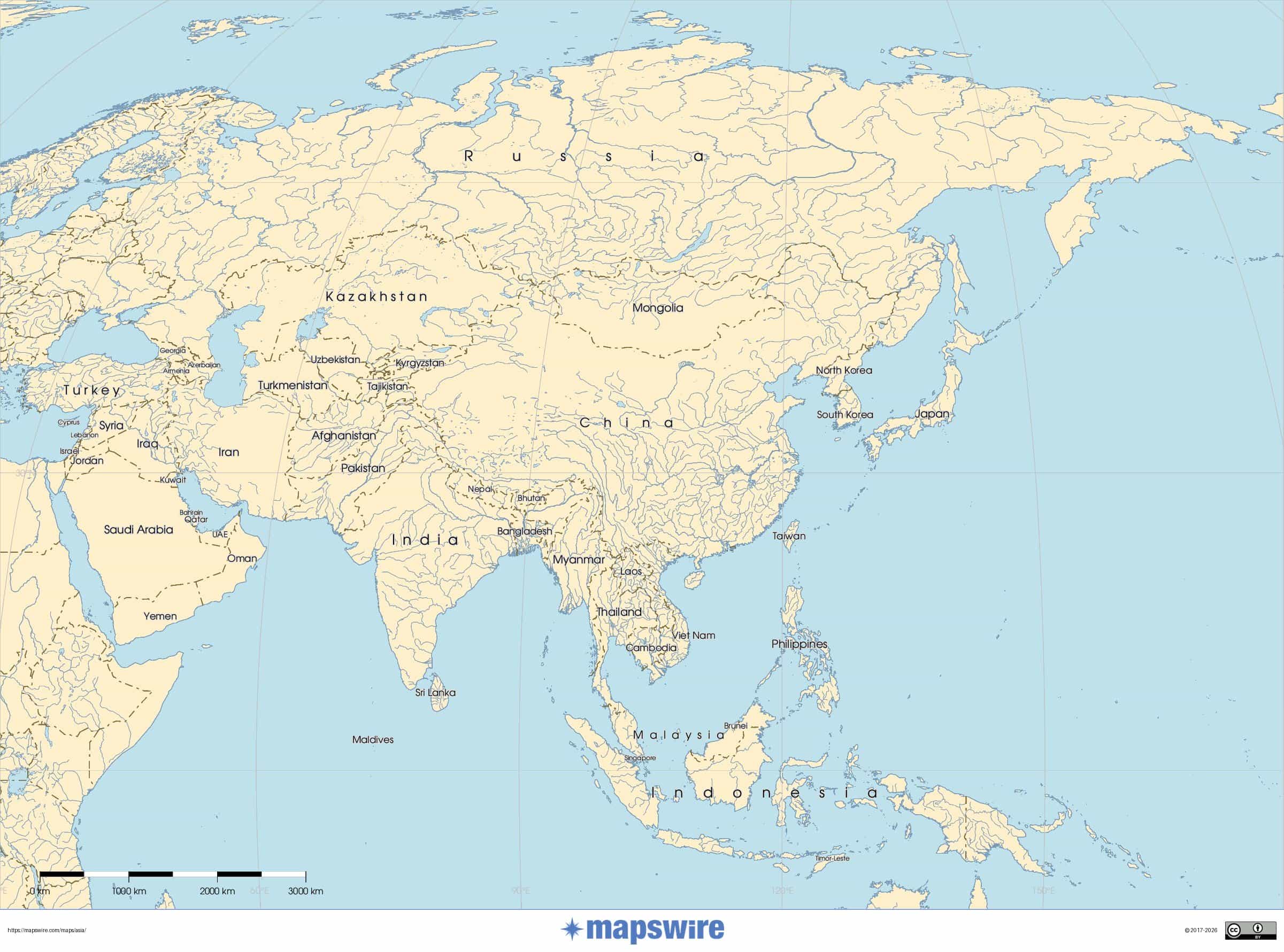
Asia
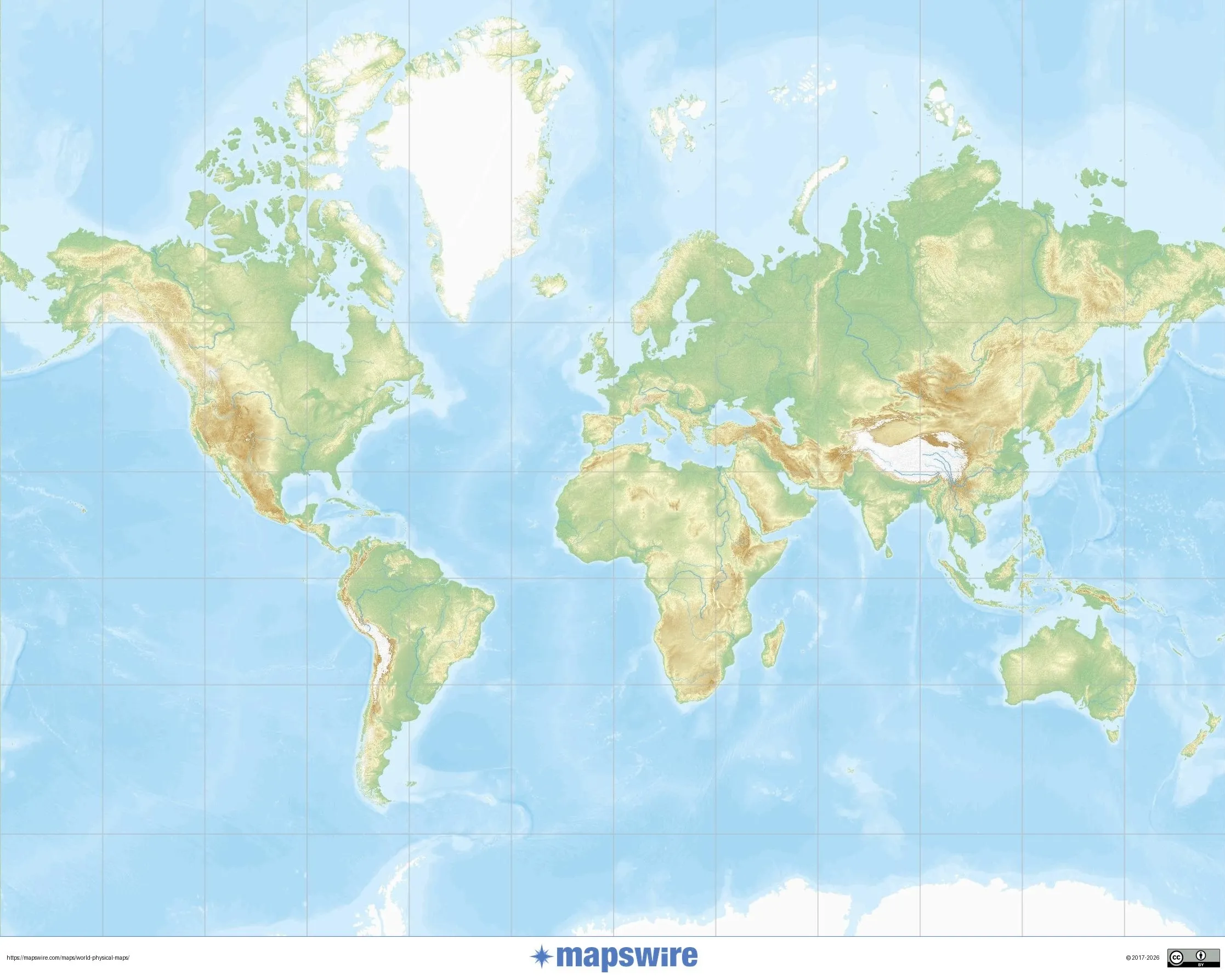
World
Related Links
| Group | List |
|---|---|
| West Asia | Ottoman Empire Syrian nationalist movement Palestinian national movement |
| East Asia | CPC Korean anti-Japanese movement Pacific War |
Comments